Home Bar Ideas for Every Space and Budget (That You’ll Actually Use)
Say a family finishes the basement and picks home bar ideas straight from a gallery: a corner bar, four stools, a glass-front fridge, moody lighting. Six months later the stools hold laundry and the fridge holds sparkling water.
One commenter in a Reddit man cave thread put it bluntly: nine out of ten people they know with a bar never use it. Ouch.
The bar wasn’t ugly. It was planned like a photo, not like a routine. Nobody asked where the ice would come from, where dirty glasses would go, or whether guests would block the TV every time they refilled a drink.
So this guide flips the usual order. You’ll start with how you will use the bar, then match ideas to your space and budget. We’ll cover the dull parts other guides skip (sinks, ice, storage, cleanup) and bars for people who don’t drink at all. A bar is one piece of a bigger entertaining setup, so if you also host, our easy charcuterie cups guide pairs well with it.
Executive Summary
The short version: the best home bar is the one you use every week, and that depends on layout and cleanup far more than on looks. Most homes don’t need a built-in bar. A cart, a cabinet, a bookshelf, a closet or a short run of cabinets does the job for a fraction of the cost.
Here’s what you’ll get below. A quick usage test that saves you from building a bar nobody touches. A plain-English answer on wet bars, including the regrets owners report. A budget ladder from a thrifted sideboard to a custom build, with ranges labelled as examples. Ideas for small spaces, basements, living areas and patios. A full section on non-alcohol bars, because plenty of households skip drinking for good reasons.
The biggest objection is "I already have a kitchen." Fair. If you rarely entertain, a tray on the counter may be all you need. We’ll help you decide that honestly, before you spend a dollar.
What kind of home bar do you actually need?
Match the bar to your habits before you pick a style. Count how often you host, how many people usually drink at once, and whether anyone will stand at the bar or just grab a glass and leave. A short, well-planned run serves a small group better than a long bar with ten stools that nobody sits on.
Here’s the usage test for any of the home bar ideas below. Answer four questions on paper. Who uses it on a normal Tuesday? How many people on a party night? Where do guests walk when they fetch a drink? Where do dirty glasses go at the end of the night?
A Quora answer on space makes a useful point: a home bar is a mixing station. People take drinks and move away. They rarely camp there. So you may need a place to mix and store, not a place to sit.
One Reddit owner reported using the bar daily, and the reason is layout. About 3 feet sit between the back bar and the front bar, so two people can pass without bumping elbows. The other bars in that conversation were pretty, but crowded or blocking the TV.
Pick your type from the usage test:
- Daily user: wet or semi-wet setup with real storage and a way to rinse glasses.
- Weekend host: dry bar or cart that you can restock quickly.
- Occasional host: one cabinet or armoire you can close and forget.
- Mixed household: a beverage station with coffee, mocktails and drinks in separate zones.
A bar you plan around your habits beats a bar you plan around a photo.
Is a wet bar worth it?
A wet bar has a sink and usually a drain, so you can rinse glasses and dump ice without walking to the kitchen. It is worth it if you host often or the bar sits far from your kitchen. If the kitchen is close, a dry bar with a tray and a small cooler often does the job for far less.
The sink matters more than the stools. A pretty bar without a place to rinse glasses becomes a chore pile by Sunday.
Owners in a "wet bar or not worth it" thread listed the same regrets over and over:
- No garbage disposal, so food bits get cleaned by hand.
- No glass rinser or 18-inch dishwasher for the glasses.
- No room for an under-counter ice maker or a freezer.
- No trash or recycling bin built into the cabinet.
- A bad position relative to the kitchen, which makes plumbing longer and more costly.
One owner said the family started using the bar daily once an under-counter ice maker went in. That is the kind of small add-on that changes behavior.
A wet bar also means plumbing, drainage and often venting. Rules differ by city and county, and some work needs a permit. Hire a licensed plumber and check local code before you cut into a wall. Don’t guess on this one.
A common misconception says a wet bar needs a full kitchen sink. It doesn’t. A small bar sink works fine for rinsing glasses.
What are the best home bar ideas for a small space?
Small spaces call for bars that fold into furniture you already own or can buy cheaply. Think a bar cart, a bookshelf with a shelf cleared for bottles, an armoire, a sideboard, a closet, or a corner nook. These cost little, can close when you want them hidden, and stay flexible if you move.
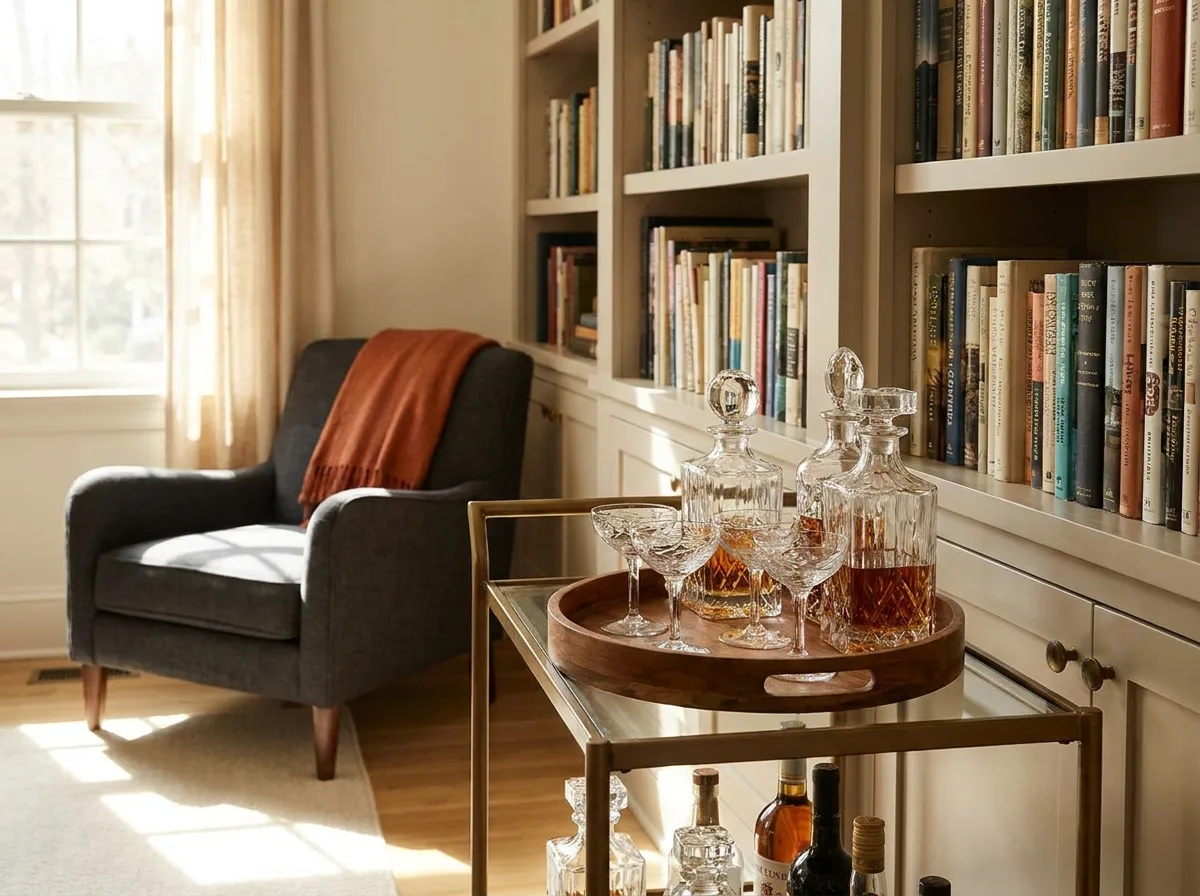
Each of these works in a different way, so here is how they compare.
| Idea | Best for | Main limit | How I’d judge it |
|---|---|---|---|
| Bar cart | Renters, small living rooms | Little storage, tippy with kids | Moves where the party goes |
| Bookshelf bar | Narrow walls | Open shelves collect dust | Cheap and quick |
| Armoire or liquor cabinet | Homes with kids or pets | Needs floor space | Closes to hide everything |
| Sideboard or credenza | Dining rooms | Weight of glassware | Familiar furniture, lots of storage |
| Closet bar | Unused closets | Needs power and light | Hidden, but ventilation matters |
| Under-stairs bar | Awkward stair walls | Low height in places | Turns dead space into a feature |
| Corner bar | Tight rooms | Hard to reach corners | Fits the "mixing station" idea |
A bar cart has a trap. A toddler can usually reach the lower shelf. If you have small children, move bottles to a lockable cabinet or a high shelf and use the cart for mixers and glasses only.
Take a renter who clears one bookshelf shelf and adds a tray, two decanters and a few glasses. That is one of the cheapest home bar ideas around, and no landlord will complain.
What are the best basement bar ideas?
Basements suit home bar ideas because they are often big, away from bedrooms, and already used for hanging out. The catch is the mess: columns, fuse boxes, low ceilings and drains below the main line. Plan around those features, instead of hiding them, and keep the bar close to the seating area.
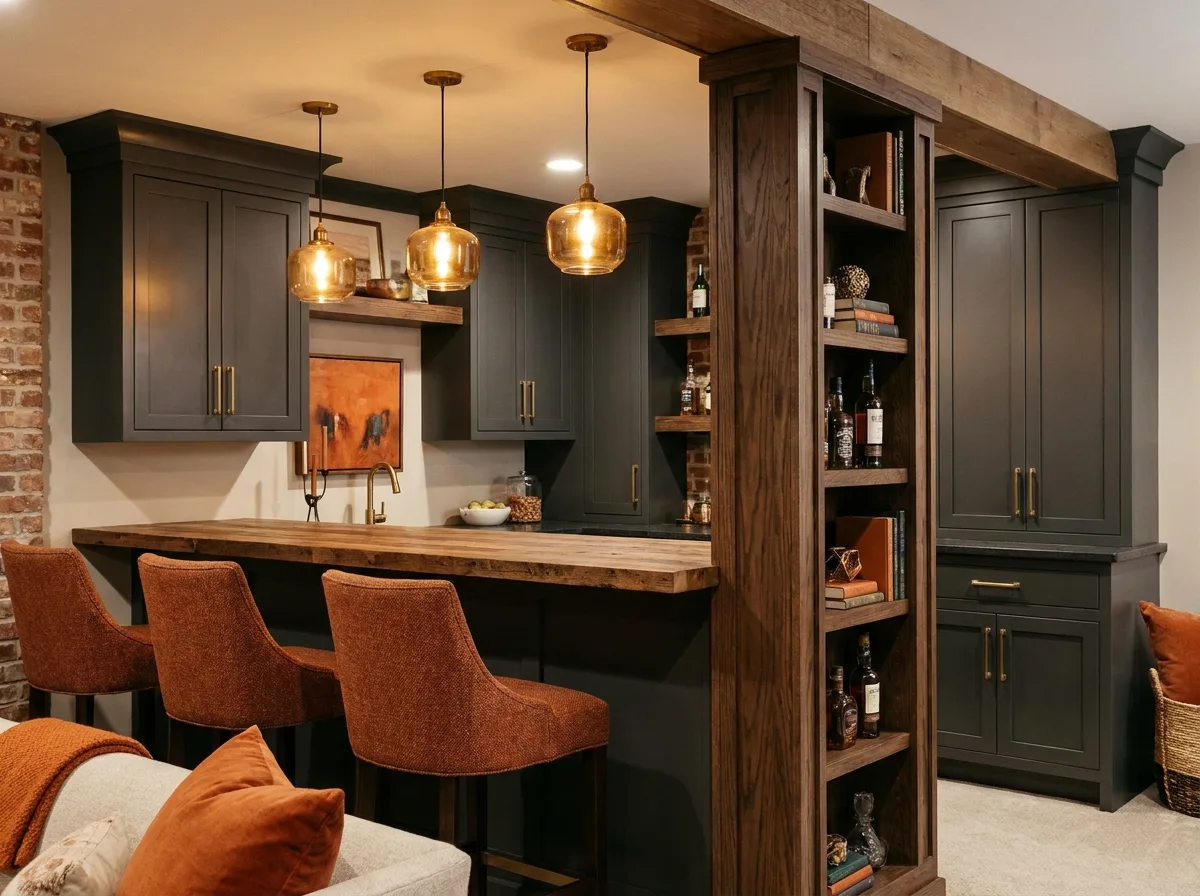
A Reddit poster asked how to fit a bar in a small basement with a fuse box and support columns. The answer pattern was sensible. Don’t box in the electrical panel, because you need access to it. Turn a column into part of the bar, with a shelf around it or a stool beside it.
Layouts that tend to work are a simple wall bar, a peninsula that separates the bar from the rec area, a corner L, or shelves wrapped around a column.
Basement drains and plumbing are the big cost question. Depending on where the drain sits, some basements may need a pump to move wastewater up, which adds cost and noise. Ask a licensed plumber whether a sink makes sense. If it doesn’t, a dry bar with an under-counter fridge keeps the budget sane.
And watch the TV. If the bar sits between the couch and the screen, you will be the person who moves everyone for each refill. Put the bar to the side, not in front.
Home bar ideas for living rooms, kitchens and dining rooms
In main living spaces the bar should look like furniture or cabinetry, not a separate room. Good options are a sideboard in the dining room, a kitchen island end with a beverage fridge, a room-divider bar, a pass-through between rooms, or a nook beside the fireplace. Keep it close to guests but out of traffic.
Kitchen islands are the most popular choice, because plumbing and power are already close. Add a beverage fridge at one end and a small tray for glasses, and the island does two jobs. The downside is traffic. Cooks and drinkers will meet in the same aisle.
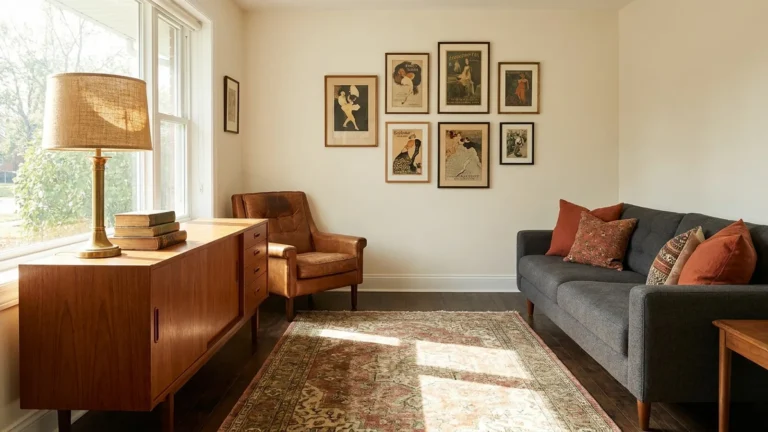
A dining room sideboard is the cheapest "built-in" look. A closed cabinet below holds spirits and mixers, the top holds a tray and glasses, and a mirror or art above finishes it. If you like a layered, collected style, our guide to the vintage aesthetic shows how to get that look without buying a costume.
A room-divider bar splits a large open room into zones. A counter with stools on one side and storage on the other works nicely between the kitchen and living room. A pass-through window does something similar, and it helps if you host and want to hand drinks to the patio.
Consider skipping the stools. Many living-room bars work better as standing bars with a ledge, because guests mingle instead of parking. If you add seats, use counter height, leave room to slide them back, and remember that people need knee space under the counter. Common kitchen design guidance suggests generous knee space and a clear walkway behind seats, so measure your own room with painter’s tape on the floor before you buy.
Can you build an outdoor or patio bar?
Yes. Outdoor bars range from a rolling cart to a built-in counter with a grill. The deciding factors are weather, food safety and power. Use materials that handle sun and rain, plan shade, and keep drinks and food cool with a rated outdoor fridge or a cooler.
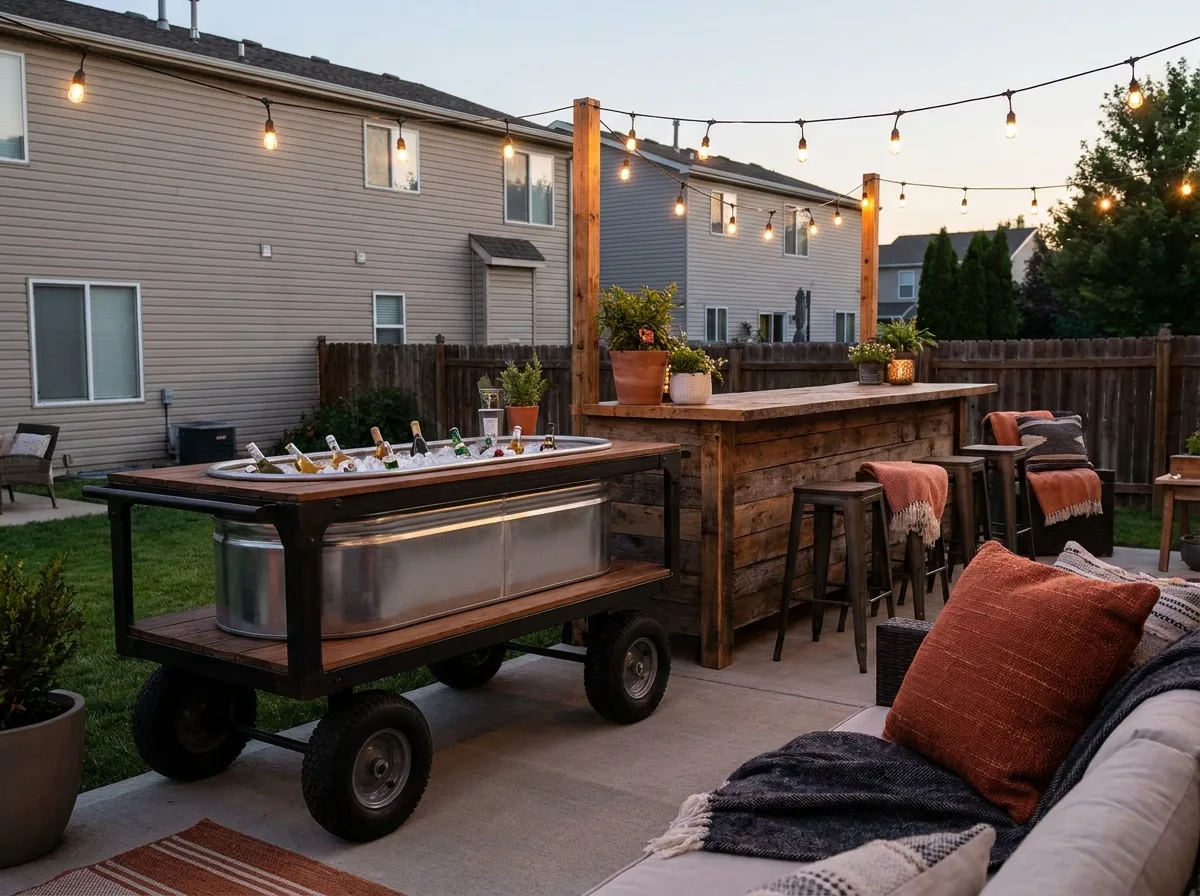
For outdoor home bar ideas, I’d say go simple. A weatherproof cart, a sturdy table or a repurposed potting bench with a tub of ice does the job. Built-in outdoor bars cost far more, and you pay for masonry, plumbing and electrical work.
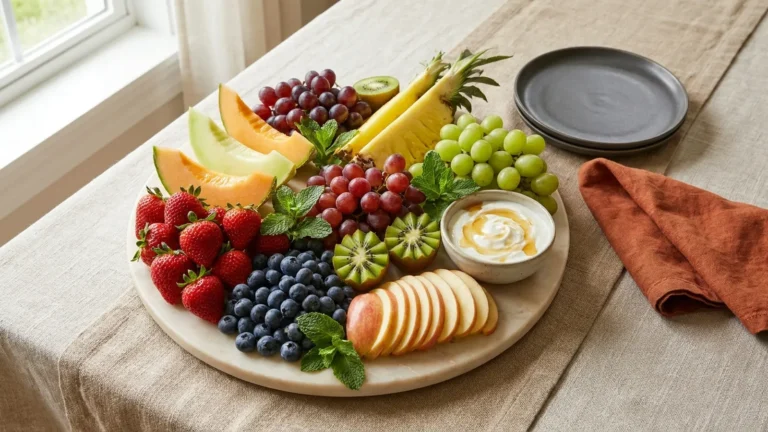
Use stainless steel, treated wood or stone, add shade so ice lasts, and have a licensed electrician install weather-rated outlets. Perishable snacks should not sit in the sun, and our fruit charcuterie board guide covers amounts and safety for warm days.
Indoor-outdoor setups, where a window or folding door opens a kitchen bar onto the patio, are lovely but costly. Talk to a contractor about structure and permits before you cut an opening.
Which home bar ideas fit your budget?
Cost depends on what you build, not on the word "bar." A thrifted sideboard or bar cart can cost very little, a cabinet hack costs more, and a custom wet bar with plumbing and appliances costs the most. Treat any number below as an example range, because your city, materials and plumbing needs decide the real price.
A designer quoted by Architectural Digest said that a simple setup with a bar cart and custom shelving can run about $2,000 to $3,000, while a high-end bar can reach $100,000 or more. A Quora answer gave rough bands too, around $1,500 to $7,000 for a budget or DIY bar and $7,000 to $25,000 with a contractor. Both are anecdotal, so use them as sanity checks and not as quotes.
| Level | What it looks like | Cost driver | Time |
|---|---|---|---|
| Lowest | Cart, tray, thrifted sideboard | What you already own | An afternoon |
| Low | Bookshelf or armoire bar | Shelving, lighting | A weekend |
| Middle | Stock cabinets with custom fronts, new top | Cabinets, countertop | 1 to 3 weekends |
| Higher | Built-in dry bar with fridge and lighting | Electrical, finish work | Weeks |
| Highest | Custom wet bar with plumbing, ice, rinser | Plumber, permits, custom millwork | Weeks to months |
Is a custom bar better than IKEA cabinets or a second-hand sideboard?
For most budgets, stock or flat-pack cabinets with custom fronts and a good top beat a fully custom bar. A second-hand sideboard can beat both on price and character. Custom makes sense when your room has odd angles, plumbing or a style that standard sizes can’t match.
Woodworking forums gave the same advice: cheap modular cabinets with custom fronts look custom and cost much less. Base cabinets are sturdy, available in standard sizes and easy to level. Swap the doors, add a butcher block or quartz top, and trim it out.
Now the cautionary tale. Reddit buyers have reported kit-company trouble. One described paying a deposit for a bar kit around $6,000 and waiting about seven months. Another said the delivery slipped by 196 days past the promised date, and two sites were selling the same design under different names. The refund finally came through a credit card dispute.
Here’s my plain opinion. Unless the room is odd, I’d pick stock cabinets or a second-hand sideboard and spend the savings on a sink, a rinser or an ice maker.
What style fits your home bar?
Pick a style that matches the room it sits in, then use lighting, backsplash and countertop to set the mood. Dark and moody palettes read as speakeasy, light woods and white read modern or coastal, and collected pieces read vintage. Avoid mixing three styles unless you want a theme-park feel.
Keep it simple and choose one of these directions:
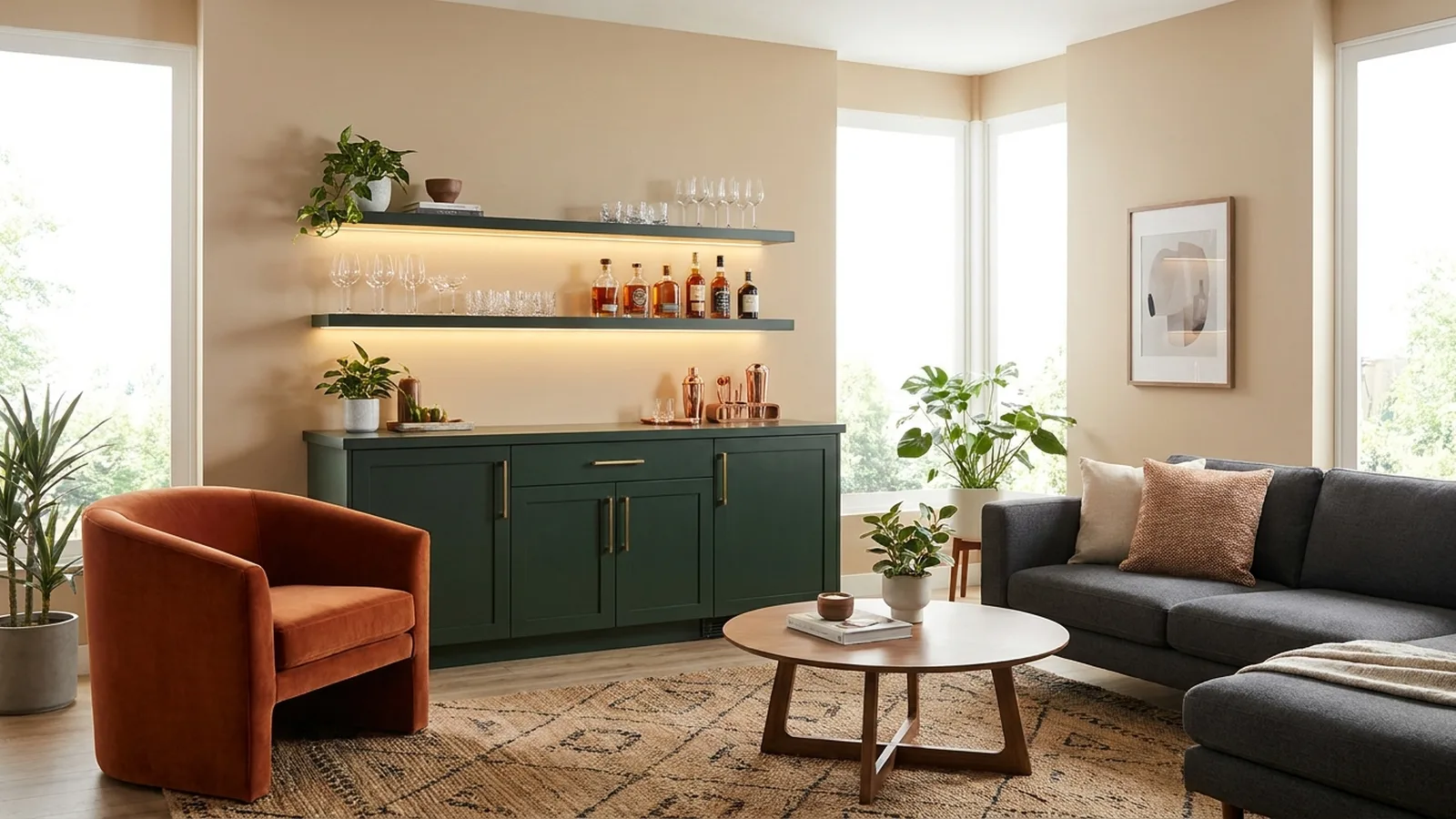
- Speakeasy or moody: deep greens, navy or charcoal, brass hardware, low warm lighting.
- Modern: flat-front cabinets, quartz or concrete, slim shelves, hidden LED strips.
- Vintage: a wood sideboard, mirrored back, patterned glass, a collected feel.
- Coastal or light: pale wood, white tile, open shelves, woven stools.
Materials matter for cleanup. Butcher block is warm but needs sealing. Quartz resists stains. Marble and onyx look dramatic but can etch from citrus and spirits, so ask the supplier and use them only if you accept a patina. A tile backsplash protects the wall behind the sink, and a mirror doubles the light and makes bottles look like more than you own.
Lighting is cheap and powerful. Under-shelf LED strips run on a plug-in adapter and need no wiring in many cases. Hardwired fixtures or outlets inside walls need a licensed electrician and may need a permit, so check local code.
What are the best home bar ideas for non-drinkers?
Not every bar has to hold alcohol, and many home bar ideas skip it. Coffee bars, mocktail stations, tea corners, snack bars and movie concession counters use the same furniture and layout. They suit households with sobriety, health, religious or family reasons, and they make a bar useful every single day.
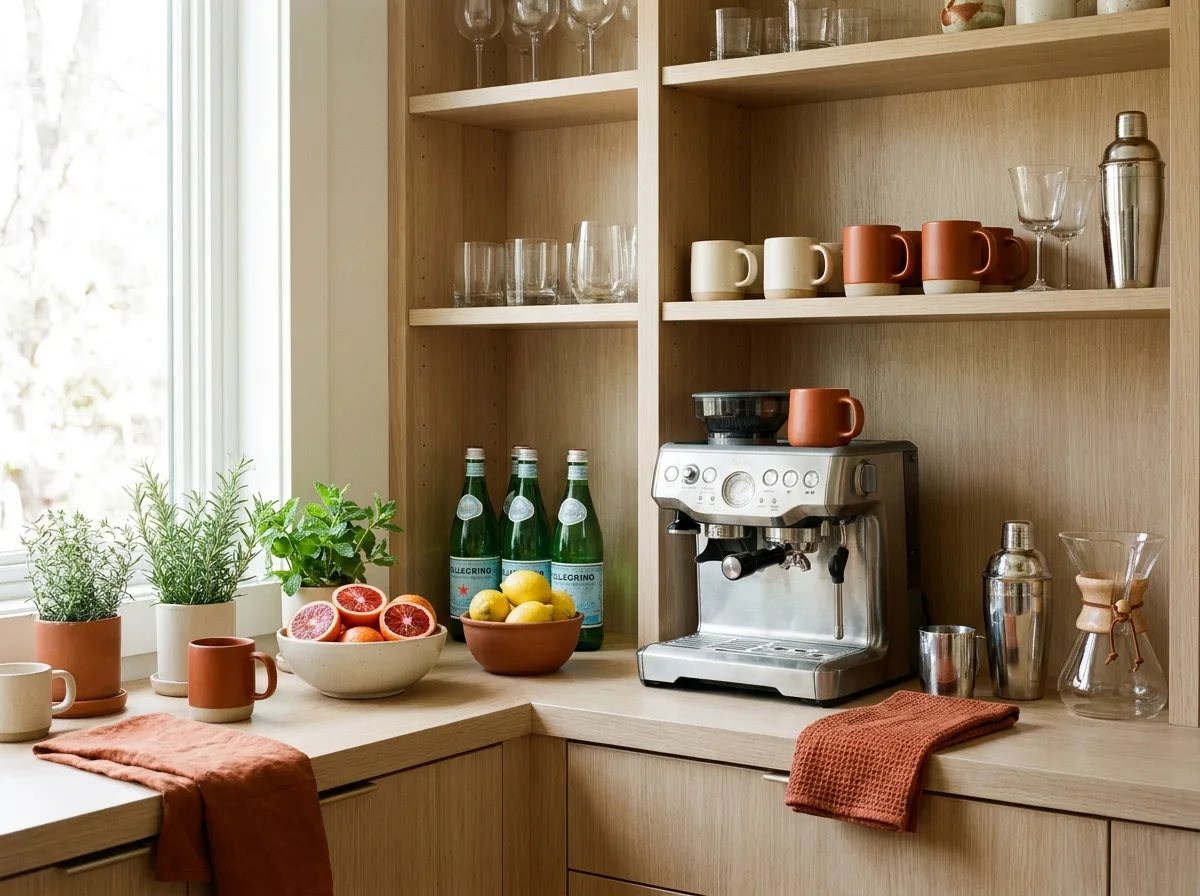
This is the section the glossy guides skip, and it might be the most useful one. A Reddit thread on home decorating asked for bar ideas for exactly this reason, and the replies were creative.
Here are the formats that work:
- Coffee bar: grinder, kettle, espresso machine, mugs, syrups. Daily use is nearly guaranteed.
- Mocktail station: sparkling water, bitters-free syrups, citrus, herbs, nice glasses and a shaker.
- Tea and hot chocolate corner: a kettle, canisters and a drawer for mugs.
- Dessert and snack bar: popcorn machine, candy jars, a soda fridge for movie nights.
- Charcuterie and snack zone: a wooden board stored upright, small bowls, and individual charcuterie cups for easy serving.
Mixed households can split the bar in two. Put alcohol in a lockable cabinet or a high shelf, and keep the coffee and mocktail zone at easy reach. If kids are around, lock the cabinet and keep it that way. That is a safety habit, not an optional extra.
Here’s the part that gets missed: the non-alcohol version solves the "nobody uses it" problem. A coffee bar gets used at 7 a.m. every day, which a cocktail bar can’t claim.
Offer good non-alcohol options in nice glasses, so nobody feels like an afterthought.
How much space and clearance does a home bar need?
A bar needs less floor than most people think, but it needs clear walking room. Common guidance is to leave enough space for two people to pass behind seats, enough knee space under any counter, and room for doors and drawers to open fully. Tape the layout on the floor before buying anything.
A cart or a shelf needs almost nothing. A longer run needs a walkway, and stools need space to slide back. Myth: a bar needs ten stools. A standing ledge and two seats serve most normal nights.
How do you plan storage, ice and cleanup?
Treat storage, ice and cleanup as the core of the design. Plan a place for bottles, glassware, mixers and trash, a source of ice, and a way to rinse and dry glasses. If any one of those is missing, the bar will turn into a mess within a few weeks.
This is where "a home bar is a storage and cleanup problem first" turns into practical choices.
Ice. Options run from an ice bucket to a countertop maker to a built-in under-counter unit. Under-counter makers need a drain or a pump and a water line, so a plumber or an appliance installer usually handles them. A tray in the freezer is the budget fix.
Glass cleanup. A glass rinser, an 18-inch dishwasher or just a tub and a drying mat. Pick whichever fits your habits.
Storage. Under-bar storage is the thing people run out of first. Put heavy items low, glassware at mid height, and nice bottles on display. Closed doors keep dust off. Stemware needs more height than you think.
A beverage fridge keeps mixers cold, a wine fridge keeps bottles at serving temperature, and a tap tower or kegerator suits a heavy beer drinker. Be honest about which of those you will use.
What mistakes do people regret most?
The most common regrets are practical ones: no cleanup plan, not enough storage, a bar that blocks traffic or the TV, an oversized build for a rare use, and buying from a company that never delivers. Each has a simple fix if you catch it before building.
Here’s a mistake-and-fix list built from the threads above:
- No disposal or drain thinking. Fix: decide up front whether you want a sink, and if you do, add a disposal and a rinser.
- Too little storage. Fix: double what you think you need under the counter.
- Wrong position. Fix: tape the layout, keep it away from the TV sight line and close to the kitchen if you want plumbing.
- Hiding the electrical panel or columns. Fix: leave access, and design around posts.
- Ten stools in a room that holds four. Fix: build for your normal night, not your biggest party.
- Paying a kit company in full. Fix: use a credit card and a written timeline.
- Forgetting kids. Fix: lockable storage and nothing breakable on low shelves.
Frequently Asked Questions
What is the difference between a wet bar and a dry bar?
A wet bar has a sink and a water line, and often a drain. A dry bar has none of those. The sink lets you rinse glasses and dump ice on the spot. Dry bars cost less and fit almost anywhere. If your kitchen is close, a dry bar usually does the job.
Are wet bars still in style?
Yes, though they’ve changed shape. Owners still add them in basements and open-plan rooms, and many now use smaller bar sinks and beverage fridges instead of a full kitchen setup. Style matters less than use. A wet bar suits you if you host often and live far from the kitchen, and it is wasted money if you don’t.
Are bar carts still in style?
Bar carts remain popular, especially in small homes and rentals. They are flexible, cheap and easy to move. They are less practical with toddlers or pets because the lower shelves are within reach. A cart works best as a serving piece, with bottles stored higher or in a cabinet. Trends change, but a tray on wheels never stops being useful.
How much space do I need for a home bar?
You can fit a bar into a very small footprint, such as a shelf, a cart or a closet. A longer bar needs room for people to pass, and stools need knee space. Tape the layout on the floor first. As a rough example, one owner liked about 3 feet between the back bar and front bar.
Can I put a bar in a closet?
Yes, if the closet is not needed for storage. Add shelves, a small counter and light, and use doors you can close. A fridge in a closed closet needs ventilation, so check the manual. Any electrical work should be done by a licensed electrician under local code. Closet bars are great for hiding bottles from kids and guests alike.
How do I add a bar with no plumbing?
Use a dry bar. Keep a tray for glasses, a small bin for ice, a pitcher of water and a bus tub for dirty glasses. An under-counter fridge needs only power. For rinsing, walk to the kitchen sink. That sounds annoying, but with a close kitchen it’s a better trade than an expensive drain.
What do I need to stock at minimum?
Stock a shaker, a jigger, a strainer, a few glasses, a couple of spirits you really drink, simple mixers, citrus and bitters. Add non-alcohol options such as sparkling water and juice. Myth: a bar needs a full wall of spirits. It doesn’t, and bottles for cocktails you never make are wasted money. Build your list around what you and your guests actually enjoy.
Is a mini fridge enough?
For most small bars, yes. A beverage fridge or compact fridge holds mixers, juices and bottled drinks. If you entertain larger groups, add an ice maker or a bigger beverage center. Check the manual to confirm the fridge is rated for built-in use if you put it under a counter, because some models need airflow from the front.
How do I keep a home bar safe around kids?
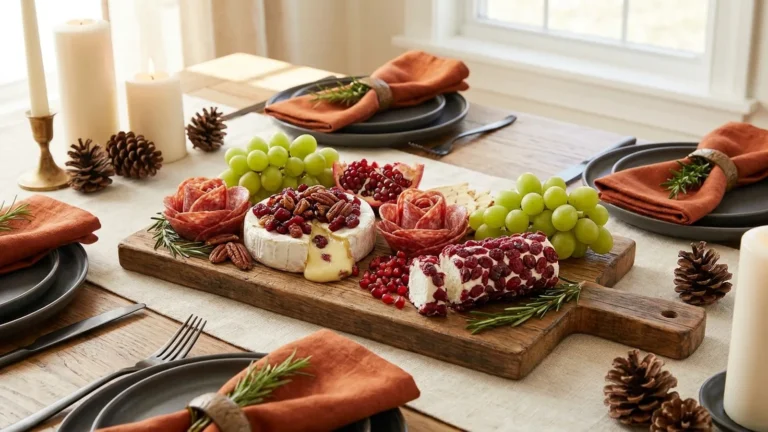
Use a lockable cabinet for alcohol, keep glassware and sharp tools high, and don’t rely on a decorative cart as storage. Keep non-alcohol drinks in an easy-reach zone so children have a place of their own. Lock it and forget it. For other ways to host with kids, see our Christmas charcuterie board ideas.
Are bar kits from online sellers reliable?
Some are, but delays and look-alike sites show up in complaints. Reddit buyers have reported waits of months and lost deposits. Pay by credit card so you can dispute a charge, check for a real address and phone number, and get a delivery timeline in writing. If it feels rushed or too cheap, walk away.
Conclusion
The best home bar ideas are the ones that fit your habits. That is the whole story. The bar from the opening wasn’t a design failure. It was a planning failure, and a small fix would have saved it: an ice source, a spot for dirty glasses, a clear path to the TV.
Start with the usage test, choose among the home bar ideas above, tape the layout on the floor, and choose the smallest build that meets your real routine. A cart, a sideboard or a stock-cabinet run will serve most households. Add a sink only if you’ll use it, and consider a coffee or mocktail corner so the space earns its keep before dinner as well as after.
My own preference is a multi-use bar: coffee in the morning, mocktails at night, closed doors in between.
Your next step is simple: grab painter’s tape and mark the footprint this weekend. If you’re planning a full hosting spread, our fruit charcuterie board guide and vintage aesthetic ideas are good next reads.
So here’s the question: if your bar had to earn its place every single week, what would you put in it?