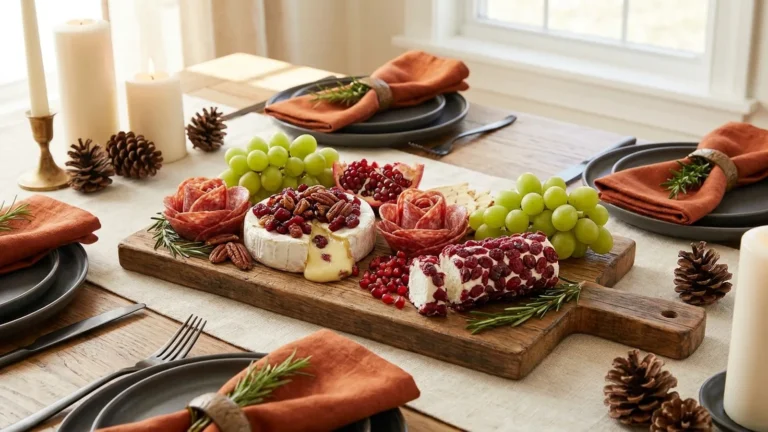
Vintage Aesthetic at Home: Get the Look Without the Costume
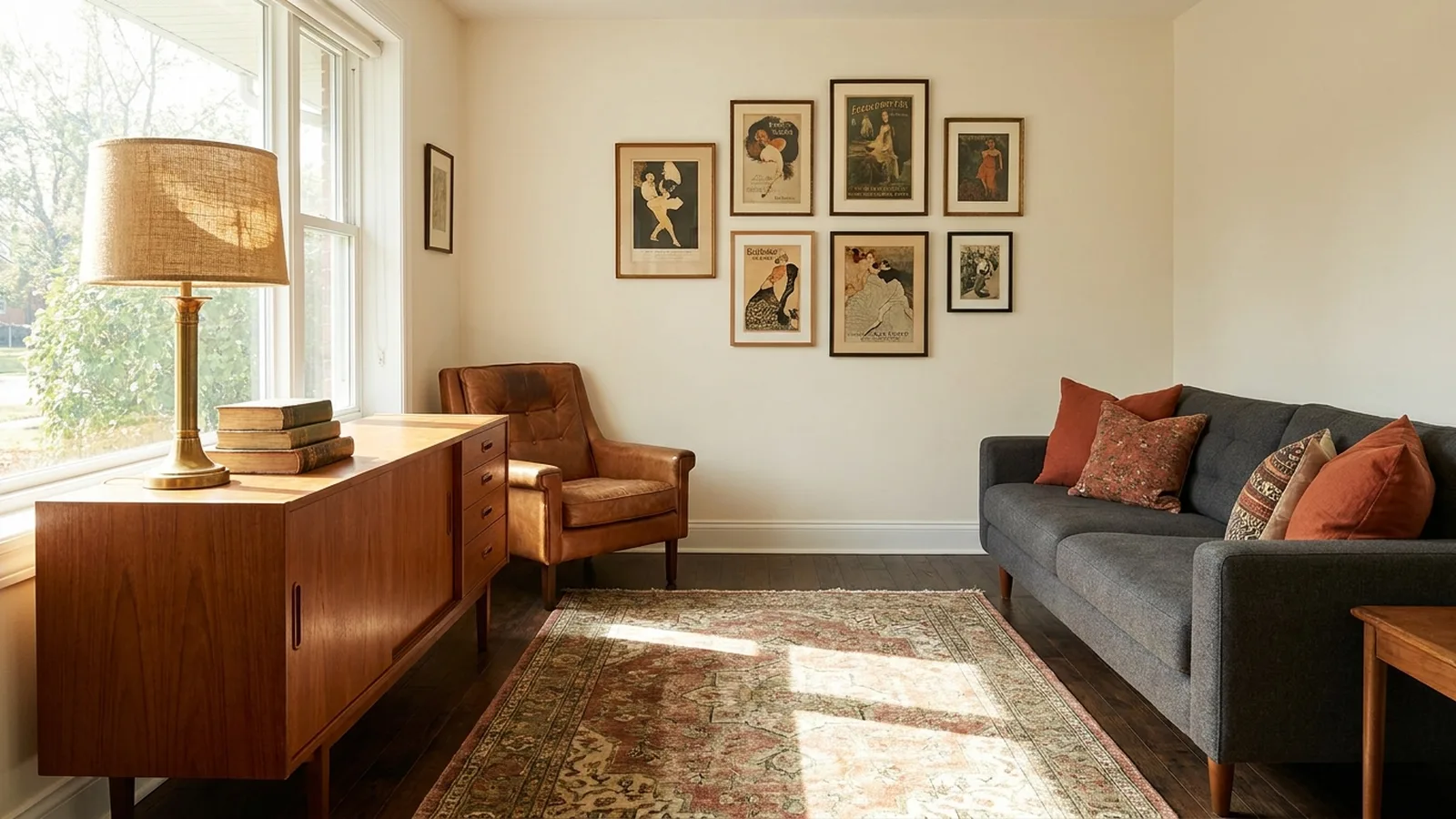
Say you just moved into a place with white walls, a gray sofa and zero personality. You scroll for ideas, and every board promises the same thing: a warm, lived-in, "collected over time" room. Then you hit the catch. The pretty photos never mention what a real armoire costs, who carries it up the stairs, or whether that thrifted lamp will trip a breaker.
The vintage aesthetic is easy to love and surprisingly easy to botch. People buy a matching set, paint the walls first, and end up with a room that looks like a movie set instead of a home. Or they overspend on one "treasure" and still hate the space.
Here’s the part most guides skip: the look comes from a handful of choices made in the right order, not from a truckload of old stuff. This guide gives you that order, plus real budget ranges, sourcing channels and the safety checks nobody posts on a mood board.
Executive Summary
You can get a convincing vintage aesthetic in a single room of your home for a modest budget, without buying everything old. The trick is to start with one inspiration piece, such as a rug or a framed print, and let it set your palette. Then you layer in a few hard goods from thrift stores, estate sales and online marketplaces.
You’ll learn how vintage, antique and retro differ, which era suits your home, and what shoppers on Reddit say they actually pay. You’ll also see how to mix old with new so the room reads as curated, and what to check for before you carry anything through your door, including old finishes, lamp wiring and upholstery.
The biggest objection is "isn’t vintage just expensive junk?" Sometimes. Mid-century pieces sell fast and dear, while plain "brown furniture" often sells for little. Knowing which is which is where the savings are, and it keeps your vintage aesthetic personal instead of pricey.
What Is the Vintage Aesthetic, Really?
The vintage aesthetic is a home style built around objects, colors and textures from past decades, arranged to feel warm and personal. It borrows from one era or several. Vintage usually means roughly 20 to 100 years old, antique means older still, and retro means new things styled to look old. Mixing them is normal for any vintage aesthetic.
Competitors like Inspired by Charm define vintage as designs from about 20 to 100 years ago, which is a fair rule of thumb. Antique is commonly treated as 100 years or more, though dealers argue about the exact cutoff and Quora threads on it get surprisingly heated. Retro is the sneaky one. A retro diner clock bought last month is new, just dressed in old clothes.
Why does it matter? Price and authenticity. Calling a reproduction "vintage" is how people overpay. Keep the three words straight and you’ll read listings like a pro.
Which Era Should You Borrow From?
Pick the era that matches your house and your tolerance for fuss. Mid-century modern suits clean lines and wood, Art Deco suits drama and metal, and 70s or cottage styles suit cozy, textured rooms. Choose one era as the lead and let others support it, rather than mixing everything equally.

Here’s a quick decision guide based on the look, not on any ranking.
| Era or style | Look and feel | Suits you if |
|---|---|---|
| Mid-century modern (MCM) | Teak or walnut, tapered legs, simple lines | You like calm and low clutter |
| Art Deco | Mirrors, brass, geometric shapes | You want glamour in one room |
| Vintage Americana | 1950s diner, red and cream, nostalgia | You love playful, kitchen-friendly decor |
| 70s | Warm browns, rust, macramé, rattan | You want cozy and textured |
| Cottagecore or grandma style | Florals, crochet, glassware | You prefer soft and homey |
Real mid-century homes were never fully "period," according to vintage furniture communities on Reddit. People layered decades as they went. That’s your permission slip to mix, which we’ll get to.
Where Should You Start: Paint, Furniture or One Inspiration Piece?
Start with one inspiration piece, like a rug, a print or a quilt, and pick paint after. Painting first locks you into a color before you’ve found anything to match. A single anchor object gives you a palette, a mood and a shopping filter, so every later purchase gets easier. Wait on the walls until it arrives.
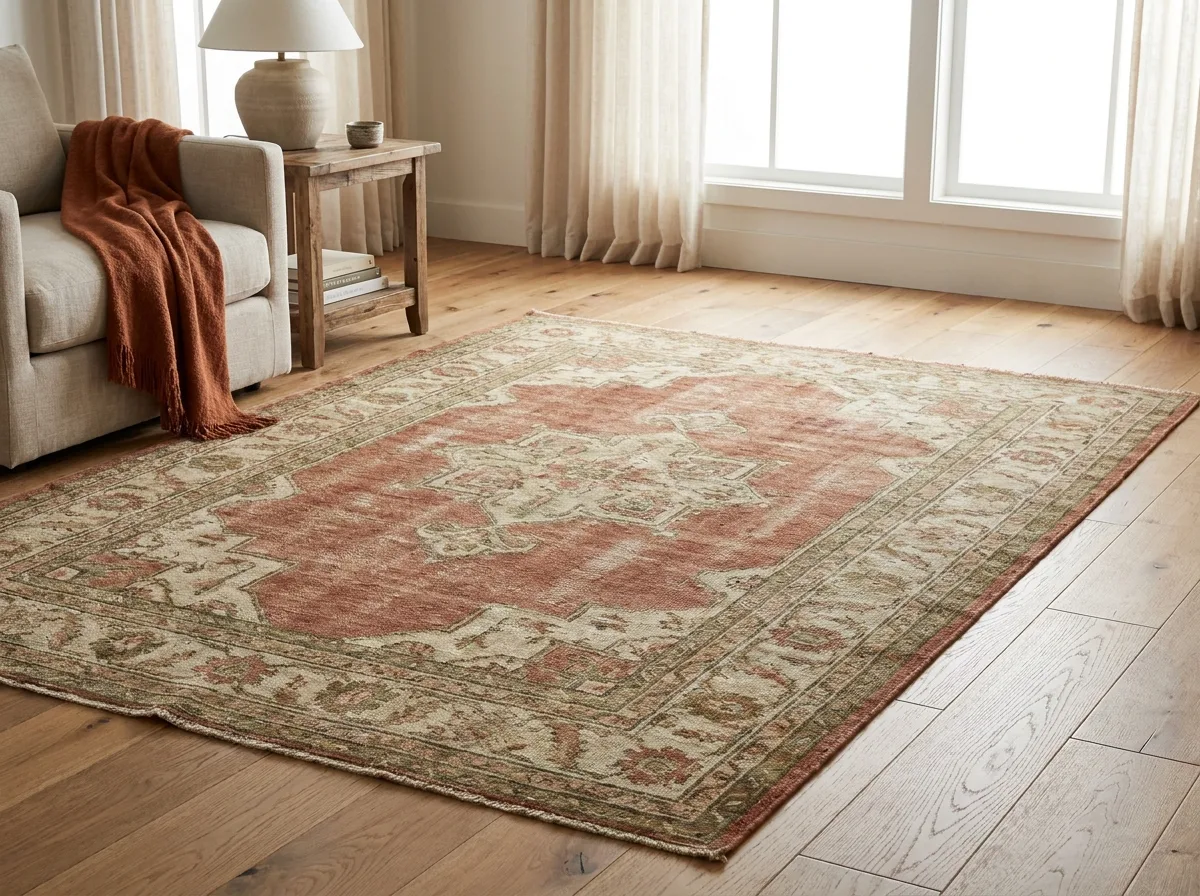
This is the most repeated advice in the home decorating threads, and I’d back it. Say you find a faded wool rug in muted rust, cream and olive. Those three colors become your palette. Walls go warm cream, the sofa stays neutral, and the rest of the room borrows rust and olive in small doses.
Common palettes for a vintage aesthetic lean warm and slightly faded: cream, tan, mustard, olive, dusty rose, deep brown. Skip anything that screams "brand new." And ignore the "sad bowl of oatmeal" beige trap. Beige works only when texture and dark wood break it up.
Quick fix for the classic mistake of painting first: leave the walls alone until the anchor piece arrives, then test a sample on a small board.
How Do You Build a Vintage Aesthetic Bedroom or Living Room?
Build one hero piece per room, then add lighting, textiles and wall decor in layers. A bedroom might center on a wood dresser and floral bedding. A living room might center on a sideboard or armchair. Keep lighting dim and warm, and avoid buying the whole room in a single weekend, because slow collecting is what makes it look real.
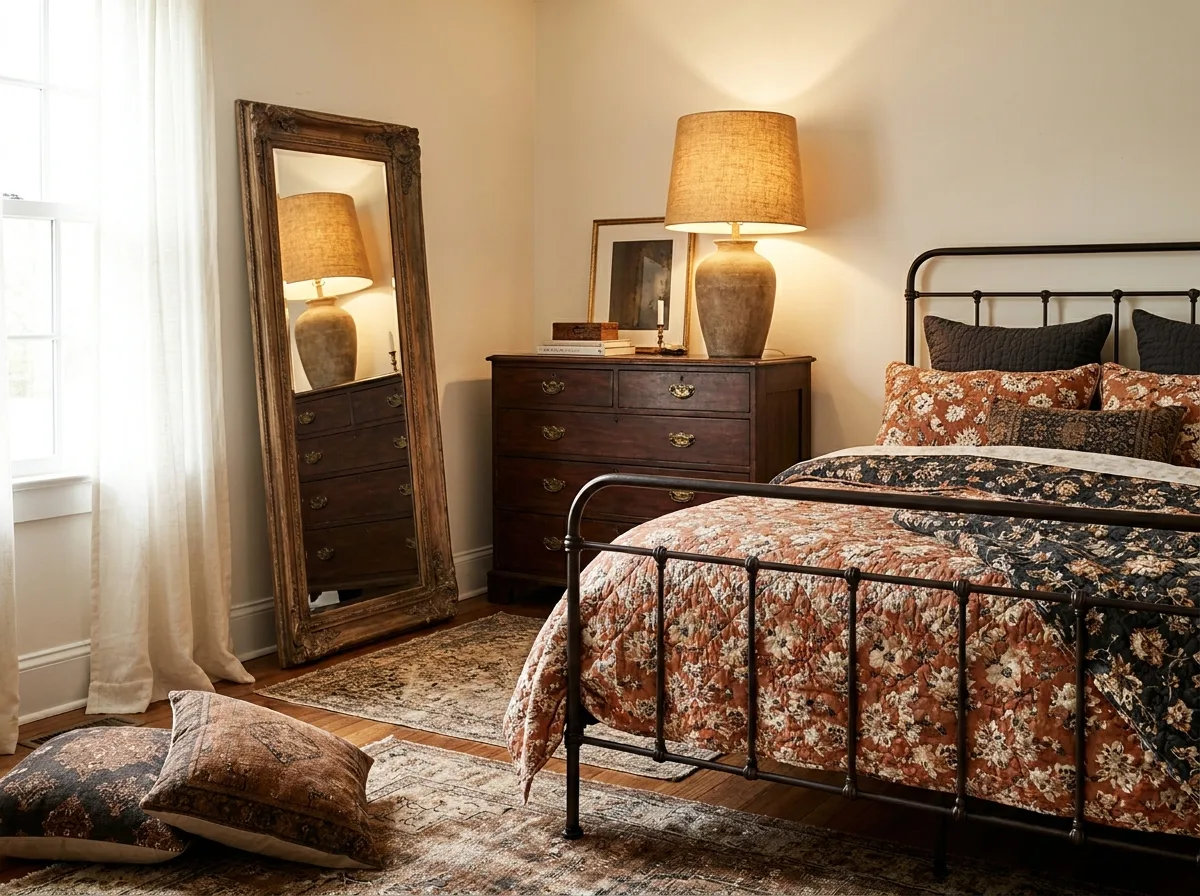
Lighting does more than furniture. A warm table lamp with a fabric shade beats a harsh ceiling fixture every time. Add a lean-to floor mirror, framed art or posters, and a patterned throw. Competitors like Roomtery and Aesthetic Roomcore cover these basics, though they skew toward teen bedrooms.
For a grown-up vintage aesthetic, buy hard goods vintage (dressers, sideboards, tables, mirrors) and buy soft goods new. One Reddit pattern keeps showing up: upholstered pieces and mattresses are best purchased fresh, since you can’t easily know what’s inside them.
Kitchens and dining areas take vintage in small hits. Old glassware, ceramics and trays are easy wins. A set of vintage glasses works well for hosting too, and these charcuterie cups ideas show how small glass pieces can carry a whole table.
What Does a Vintage Aesthetic Cost, and Where Do You Buy It?
Costs vary hugely by region, era and condition. Reddit shoppers describe paying roughly a few hundred dollars for a living room or bedroom set at thrift or estate sales, but those are anecdotes, not averages. Mid-century dealers charge much more. Budget for moving and repairs too.
Treat these as stories, not price lists:
| Channel | What shoppers report | Watch out for |
|---|---|---|
| Thrift stores and Habitat ReStore | Cheap bookshelves and tables, some haggling | Dealers often get first look |
| Estate sales | Last day often means deep discounts | Crowds, cash, heavy lifting |
| Facebook Marketplace, Craigslist, OfferUp | Budget filters help | Scams, no returns |
| Auctions | Cheap in some regions | Fees and fast bidding |
| Antique malls and flea markets | Curated, fair haggling | Higher base prices |
| MCM dealers | Quality, sometimes a cash discount | Premium prices |
Here’s the pattern across the threads: vintage is not automatically cheaper. A composite example shows why. Say you buy a hypothetical $100 armoire, then pay another hypothetical $100 for movers. Suddenly it’s a $200 armoire, and a flat-pack copy no longer looks silly. Bring a friend, a truck and a tape measure.
Regional tip from the same threads: mid-century is scarce in the South and easier to find in the Rust Belt and New England. Searching beyond your own zip code can pay off.
How Do You Mix Vintage With Modern So It Looks Intentional?
Use the 70/30 idea loosely: let modern pieces provide the base and vintage pieces provide the personality. Repeat one color or material across old and new, keep one era in charge of each room, and give every vintage piece breathing room so it reads as a choice.

Take a typical living room. A modern gray sofa, a vintage wood sideboard, a new lamp with a brass base and an old framed print. The room works because brass and wood repeat. Nothing matches, yet everything relates. That’s the whole trick to a vintage aesthetic that feels current.
Avoid matchy-matchy sets. Three pieces from the same era in the same finish look like a showroom, which is the opposite of collected.
What Should You Check Before Buying Vintage?
Check finishes, wiring, structure and cleanliness before you pay. The EPA says paint in homes built before 1978 may contain lead, so use a certified inspector or lead-safe contractor before sanding. Old lamps may have frayed cords. Rewiring beyond a plug swap needs a licensed electrician, and local codes vary.
A short checklist:
- Finish: Don’t sand or scrape old paint on a pre-1978 piece or in a pre-1978 home until a certified lead inspector has checked it. A test kit alone isn’t enough, so follow the EPA’s lead-safe guidance.
- Lamps and cords: Cracked insulation, loose plugs and missing grounding mean rewire or skip. A licensed electrician should handle anything beyond a plug swap, and permit rules for fixed wiring vary by location.
- Joints: Wobbly legs are fixable. Rot and cracked frames usually aren’t worth it. Solid wood with dovetail joints is a good sign.
- Smell and pests: Open every drawer. Musty or smoky odor is hard to remove.
- Reproductions: Staples, particleboard backs and perfect uniform finishes often point to a copy.
How Do You Keep the Vintage Aesthetic From Feeling Like a Costume?
Keep the vintage aesthetic personal and functional. Use old objects daily, mix in modern comfort, limit yourself to one era per room, and leave empty space. A room feels like a costume when every item is on theme and none of it is actually used, so let the pieces earn their place.
Here’s a twist: the most "vintage" thing you can do is use the stuff. Serve coffee in the old cups. Read under the old lamp. Display a few objects rather than twenty.
Shop one room at a time so fads don’t pile up. And skip chasing "investment value." Most thrifted pieces won’t make you money. They’ll make your home feel like yours, which is the better return anyway.
Can You Get a Vintage Aesthetic as a Renter?
Yes. Renters can build a vintage aesthetic with movable pieces: rugs, lamps, framed art, bedding, leaned mirrors and freestanding shelves. None of it needs paint or drilling, so your deposit stays safe. Start with one anchor piece, then add small vintage touches room by room.
The bathroom is a good small test. A vintage mirror leaned on a shelf, a wooden stool for towels, an old tray for soaps and a woven basket add character without touching the walls. Keep anything with a cord away from water, and skip plug-in vintage lighting in wet areas.
Frequently Asked Questions
Is vintage the same as retro?
No. Vintage items are actually from an earlier era, commonly about 20 to 100 years old. Retro describes styling that imitates the past, and it can be brand new. A 1960s lamp is vintage, while a new lamp copying 1960s lines is retro. Check the label, the maker’s marks and the construction before paying a vintage price.
How old does something need to be to count as vintage?
A common rule is at least 20 years old, up to around 100. Beyond that, many dealers call it antique, although people argue about the exact cutoff. There’s no legal definition for home decor, so the term depends on the seller. Judge a piece by its condition, materials and price, not by the word on the tag.
Is vintage furniture better made than new?
Often, but not always. Older solid wood pieces with dovetail joints can outlast new chipboard furniture. Still, plenty of mid-century mass-market items were cheaply built. Check joints, drawers and the back panel. If it feels sturdy and the wood is solid, it’s likely worth refinishing. Start with small pieces if you’re unsure.
Where is the cheapest place to buy vintage decor?
Thrift stores, Habitat ReStore, estate sales and Facebook Marketplace are the usual budget picks. Estate sales often cut prices on the last day. Auctions can be cheap in some regions. Factor in moving, repairs and your time, because a "cheap" heavy piece can cost more once delivery is added.
Can I do a vintage aesthetic in a rental?
Yes. Rely on movable items: rugs, lamps, framed art, bedding, mirrors leaned against walls, and freestanding shelving. These need no paint and no drilling, so your deposit stays safe. Choose one anchor piece, then build the palette around it. Peel-and-stick options exist, but test a small hidden spot first.
What colors work for a vintage aesthetic?
Warm, slightly faded tones: cream, tan, olive, mustard, rust, dusty rose and deep brown. Pick them from your inspiration piece instead of a paint chip. Avoid stark white and flat beige unless wood, texture and pattern break them up. Dim, warm lighting makes these colors look richer.
Is it okay to mix eras?
Yes, and it often looks better than staying pure. Real homes layered decades over time. Let one era lead in each room, then repeat a color or material across old and new pieces. If everything is from the same year and finish, the room starts to look like a set.
Are thrifted lamps safe?
Not automatically. Old cords can fray, plugs can loosen and sockets can crack. Inspect the cord and plug before use, and don’t plug in anything damaged. A licensed electrician can rewire a lamp properly, which can be worth it for a good base. Codes and product rules vary by location.
Should I paint vintage furniture?
Think twice. Painting solid wood pieces can lower their appeal, especially mid-century. But if the finish is damaged or the style doesn’t suit you, paint is a reasonable choice. Test old finishes for lead before sanding. When in doubt, refinishing or simply cleaning first reveals what you have.
Does vintage always cost more than new?
No, that’s a myth. Shoppers report that plain "brown furniture" like dressers and bookshelves often sells for less than new flat-pack in many local markets. Only in-demand pieces, especially mid-century modern, climb in price. Add moving and repairs to the total, and compare it with a new equivalent before you buy. Mid-century modern and designer names are the main exception, so check recent sold listings first.
Conclusion
The vintage aesthetic works when you treat it as a way of choosing, not a shopping list. One inspiration piece, one era in charge, a few hard goods bought carefully and soft goods bought new. That is how you get warmth without the costume.
Remember the sad white room from the start? It doesn’t need a truckload of antiques. It needs a rug you love, a lamp that’s wired safely and a dresser with a past. Personally, I think a room with one good story beats a room with twenty matching props.
Your next step: pick one anchor piece this week and set a budget before you browse. If you plan to use old glassware for hosting, these charcuterie cups ideas show how small glass pieces can work on a table, and this fruit charcuterie board guide shows how to style a spread around them.
So what’s the one object in your home that already has a story, and what would a room built around it look like?