Garden Tub: Keep It, Update It or Rip It Out? A Homeowner Guide

Say you bought a 1990s house with a huge oval tub parked on a tiled platform in the primary bathroom. The listing photos made it look like a spa. Two years later it holds a laundry basket, a dead plant and a layer of dust nobody wants to touch. Meanwhile a contractor friend keeps asking if you’d like that corner back for a bigger shower.
So is your garden tub a luxury or a space-hogging relic? Here’s the part most guides skip: the answer depends on your water heater, your floor, your likely buyers and how often you actually bathe, not on how the tub looks.
This is one piece of planning a bathroom remodel, so we’ll stay on the tub you own or are about to buy.
Executive Summary
A garden tub is a deep, oversized soaking tub, usually built into a platform or deck. Most owners can decide what to do with theirs by answering three questions: do you bathe in it, can your water heater fill it, and will buyers expect a tub somewhere in the house?
Typical sizes run about 60 to 90 gallons, which can outstrip a standard tank water heater. Replacement costs in sourced ranges from Modernize and Badeloft start around $1,500 and climb with tile, plumbing and deck work. Keep the tub if someone soaks in it, update the deck and faucet if it is sound, and remove it only if another tub stays in the house. No trustworthy resale percentage exists, so ask a local agent. Plain soakers are easier to clean than jetted tubs, and any gas, electrical or structural work needs a licensed pro, with local codes varying by area.
What Is a Garden Tub, and Why Is It Called That?
A garden tub is a deep, oversized bathtub, often oval, that sits in a raised deck or platform instead of against three walls. It is built for soaking rather than quick washing. The name has nothing to do with plants. It most likely points to the relaxed, garden-like mood the design was meant to suggest.
Several competitors repeat that the style traces back to French aristocrats in the early 1700s. Treat that as a popular story, not settled history. What matters today is the shape: a wide rim, a deck you can sit on or set candles on, and a bowl deeper than a standard tub. Searching the term also returns plastic planters and outdoor tubs, which are different products entirely.
What Is the Difference Between a Garden Tub and a Soaking Tub?
A soaking tub is any tub deep enough to cover your shoulders, with no jets. A garden tub is a kind of soaking tub, typically a built-in drop-in model set into a deck. Every one soaks, but not every soaker is built in. Freestanding soakers and Roman tubs are cousins.

Sources disagree here, and it’s honestly messy. Some brand sites call a garden tub freestanding. Others insist it must be built in. I’d go with the built-in definition, because that’s what builders installed in thousands of 1990s and 2000s homes.
| Tub type | Installation | Typical vibe |
|---|---|---|
| Garden tub | Drop-in, set in a deck | Builder-grade luxury |
| Freestanding soaker | Stands alone, any wall | Design statement |
| Roman tub | Often described as deck-mounted and formal | Formal and grand |
| Whirlpool | Jets built in | More upkeep |
How Big Is It and What Is It Made Of?
The commonly cited size is about 42 by 60 inches with a 24-inch depth, though models run longer and deeper. Capacity usually falls between 60 and 90 gallons, according to Badeloft. Common materials are acrylic, enameled cast iron, stone resin and fiberglass, each with its own weight, heat retention and price.
In general terms, acrylic is lighter, while enameled cast iron weighs a lot and stone resin or composite tends to cost more. Compare weight and price per material before you buy. One pattern in homeowner threads: people forget that a 24-inch-deep tub means a steep step over the deck, which matters for kids and aging knees.
How Much Does It Cost to Buy and Install?
Modernize puts replacement at roughly $1,500 to $6,800, depending on the model and labor. Badeloft says the tub itself runs about $2,000 to $5,000 or more, with installation adding $1,000 to $2,000. Plastic models can cost around $500 to $1,000. Tile, plumbing changes and deck work move the total.
Realtor.com quotes acrylic near $1,000 and composite up to $5,000. The drivers are the material, whether the drain stays put, how much tile you redo and whether the floor needs repair.
A Reddit remodel thread offers a useful anecdote. One owner swapped a drop-in for an alcove tub and said the project landed near $5,000 once tile, plumber, tile labor and a contractor were counted. Your mileage will vary, but the lesson holds: the tub is rarely the biggest line. For the full-room view, remember the tub is one line in a longer budget.
Does Your Water Heater Matter?
Yes. A big tub can hold 60 to 90 gallons, while common tank sizes run around 40 to 80 gallons, per owner threads. Check your heater’s gallon rating against the tub’s capacity before you buy. If the heater is smaller, you’ll get a lukewarm soak or a half-filled tub, and a tankless unit may change the picture.

This is the gap nobody in the search results covers, yet it shows up in manufactured-home and Quora threads again and again. Say a homeowner installs a big soaker and the water goes cold at the halfway mark. The tub wasn’t the problem. The heater was, and now there’s a second project.
Fill time matters too. A high-flow deck-mount faucet helps. If your heater is aging, plan both upgrades together. Replacing big home equipment is easier when you compare options before it fails. Gas or electrical work needs a licensed pro, and local codes vary.
Is It Still Worth Having?
For many owners, it is worth keeping only if someone actually uses it. The upside is a deep soak, an easy place to bathe kids or pets and a calm, luxurious feel. The downside is wasted floor space, heavy water use with every fill and one more large surface to clean. Honest use decides the answer.
Reddit owners are blunt. One said they took two baths in 16 years. Another uses theirs for storage. Others love the soak after a long shift and wouldn’t give it up.
Here’s the rule of thumb: if you soak monthly or have small kids, keep it. If it’s a dust collector, you’re sitting on spare square footage in disguise. Some contractors say the most common request is turning a tub into a large shower. Take that as a pattern, not a statistic.
Tub vs Freestanding Tub vs Walk-In Shower: Which Wins?
There’s no universal winner. A built-in garden tub suits a large primary bath where you really soak. A freestanding tub looks lighter and more modern but is harder to clean behind. A walk-in or oversized shower wins if you rarely bathe. Pick based on how you use the room, not on looks alone.
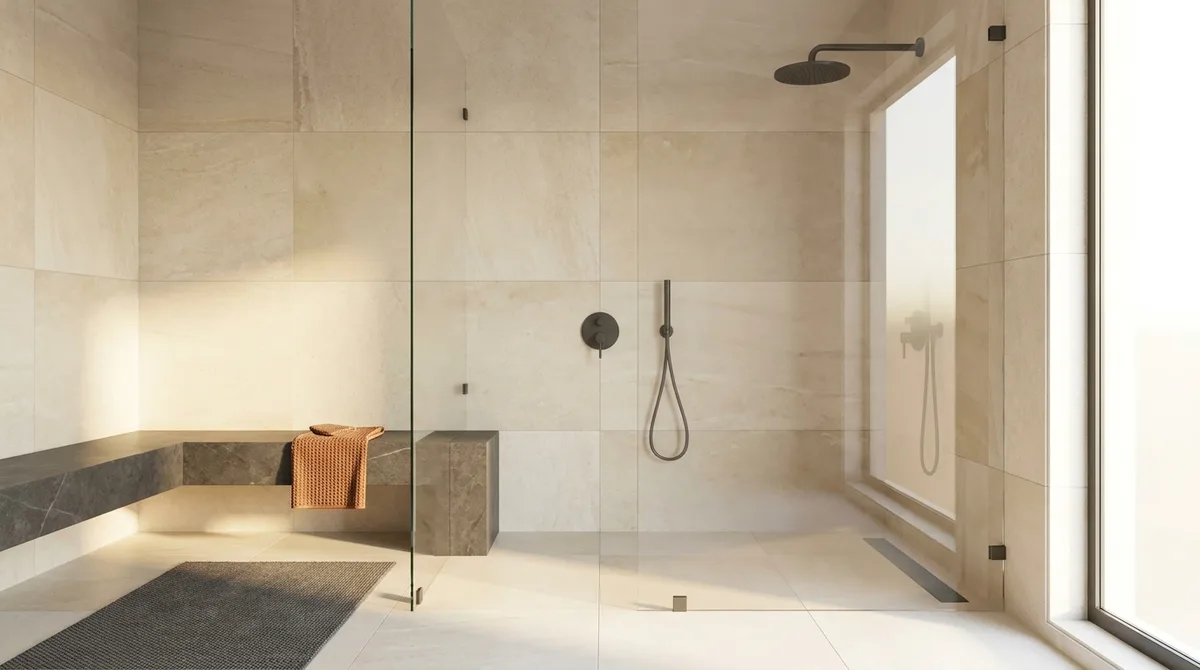
Decision rule: pick the freestanding tub if you want design impact and have floor space. Pick the shower if you soak less than a few times a year. Keep what you have if the deck is sound and you like the shape.
Freestanding isn’t automatically better. Owners on r/bathrooms complain about no place for soap or a drink, and about hair collecting behind it. Walk-in tubs get called dated or overpriced in Quora answers. And remember that a tub deck eats the same room a 48 inch bathroom vanity needs, so measure both.
Should You Keep Your Garden Tub and Just Update It?
Often yes, if the deck and tub are sound. Updating can mean retiling the deck, replacing the faucet, fixing a worn finish and adding a tray or caddy. It generally costs far less than demolition and keeps the soak. If the deck is cracked, rotten or leaking, that is when to talk replacement.

A rescue plan in four steps:
- Replace dated deck tile with an easy-clean choice.
- Swap in a deck-mount or floor-mounted faucet that fills faster.
- Re-caulk and re-grout so water stops creeping behind the deck.
- Add a bath tray and pillow so the tub becomes a place to relax.
A small cosmetic refresh is a lighter job than a retile, so scope it first. Waterproofing matters more than the pretty part. Use cement board and a proper membrane, otherwise mold waits behind the tile.
Does Removing a Garden Tub Hurt Resale Value?
Not automatically. A common view in real estate threads is that buyers want a tub somewhere in the house, not necessarily in the primary bath. If another tub exists, converting to a big shower is often fine. If it’s your only tub, think twice and check what nearby homes offer.
Opinions split hard. Some buyers call a primary soaker a deal breaker, others a waste of square footage. No source I found gives a trustworthy resale percentage, so be suspicious of anyone quoting one.
The practical move: ask a local agent what nearby homes sell with. In a family neighborhood, keep one tub. In a condo for singles, the shower may win.
Where Should It Go in the Bathroom?
Place it where the deck will not crowd the door, the shower or the vanity. A window above a tub brings light but needs privacy treatment and moisture-safe trim. Pairing a tub with a separate shower works best in large rooms. In smaller baths, one or the other usually fits better.
Measure walking clearance first, then decide on a window covering such as frosted glass or a moisture-safe shade. Treat these as layout principles rather than code rules, since clearances vary by local code.
What to Expect When You Tear One Out
Tear-out is messier than it looks. You’ll shut off the water, cap the lines, break up the deck and check for wood rot or leaks. A slab foundation can mean cutting concrete, and a second floor can mean opening the subfloor. Hire a licensed plumber for drains and rough-in.
A common version of this mistake goes like this: an owner pulls the tub, finds soft subfloor and a drain in the wrong spot, and the budget doubles. Cast iron is heavy too, so plan for help and protect the floor. Ask a structural pro before changing anything about support, because floor loads and codes vary. Pull permits where your area requires them.
Jetted or Plain Soaking: Which Causes Fewer Headaches?
Plain soaking causes fewer headaches. Jets can hide residue inside plumbing that is hard to clean, motors can be loud and replacement parts are not always universal. Some owners love jets and run a self-purge cycle, but most owner threads lean toward a smooth soaker.
Reddit’s r/Remodel leaned against jetted models, citing black debris and noise. Jacuzzi is a brand, yet people use the name for every jetted tub. A plain soaker inside and a hot tub outside is a fair split if you crave jets. Jets need electrical work, so use a licensed electrician.
Frequently Asked Questions
Do people still use garden tubs?
Some do, but fewer than builders once assumed. Owners with kids, pets or sore muscles use them regularly. Others admit they bathe rarely and use the tub for storage. If yours collects dust, consider whether that floor space could become a shower, and run the numbers on a smaller project first.
Are garden tubs out of style?
Many builder-grade models look dated mostly because of the tile and faucet rather than the tub. A fresh deck, a modern faucet and clean lines can bring one back. Freestanding tubs are the current trend, but trend and comfort aren’t the same thing, and a deep soak never really goes out of style.
Is a garden tub good for resale?
It depends on your market. Real estate threads show buyers split. Many just want one tub somewhere in the house. A big soaker in a large primary suite appeals to some, while others want the space for a shower. Ask a local agent what comparable homes include before you demolish or upgrade anything.
Can you put a shower over a garden tub?
Usually not safely. These tubs have raised decks and rounded shapes, so a shower needs its own enclosure or a different tub style. A standard tub/shower combo uses straight walls. If you want both, consider a separate shower beside the tub, and have a plumber confirm the layout before you buy.
How many gallons does a garden tub hold?
Most hold about 60 to 90 gallons, according to Badeloft, though larger models go higher. That can exceed a 40 or 50 gallon water heater, a size owners mention often, so check your heater’s rating before you buy. Fill time and temperature drop depend on your faucet and plumbing.
What is the difference between a garden tub and a Roman tub?
A Roman tub is often described as a deck-mounted tub with a grand, formal look. A garden tub is a deep built-in soaker that may share the deck style. The terms overlap in real life, and many sellers use them loosely. Check the dimensions, depth and mounting style instead of trusting the name.
Is a garden tub the same as a freestanding tub?
No, that’s a common myth. A garden tub is usually built into a deck or platform, while a freestanding tub stands alone and can sit away from walls. A few brand sites blur the two, so read the product specs. Freestanding models also need floor-mounted or wall faucets and more cleaning around them.
How deep is a garden tub?
Modernize lists depth at about 24 to 30 inches, while a standard alcove tub runs closer to 14 to 20 inches. That extra depth gives a real soak but makes stepping in harder. If anyone in your home has mobility issues, measure the step height before you commit to one.
Do garden tubs need special flooring support?
A filled tub is heavy, so ask a licensed contractor or structural pro to check your floor, especially on upper levels or with cast iron. Local codes vary, so don’t guess about the joists and don’t skip permits. A plumber can also confirm the drain and supply lines can handle the new fixture, which is cheaper to learn before demolition than after.
Can a garden tub fit in a manufactured home?
Sometimes, but many owners report wasted space and water heaters that are too small. Check the tub’s dimensions against your bath and your heater’s gallon rating first. Lightweight acrylic is usually easier to handle than cast iron, and a plumber should confirm the drain location and floor strength.
Conclusion
A garden tub isn’t good or bad. It’s a big, deep soaker that rewards people who bathe and punishes people who don’t. If you soak, keep it, update the deck and size your water heater to match. If it holds laundry, an oversized shower may serve you better, as long as another tub stays in the house for buyers.
Your next step is simple: measure the tub, check your heater’s gallon rating and count how many baths you took last year. Honest numbers beat guesses.
For the wider picture, read the guides on planning the whole bathroom and fitting a vanity around your layout so every piece of the room works together.
So, when did you last actually fill that tub?