Meditation Chair Ideas That Look Good and Feel Right
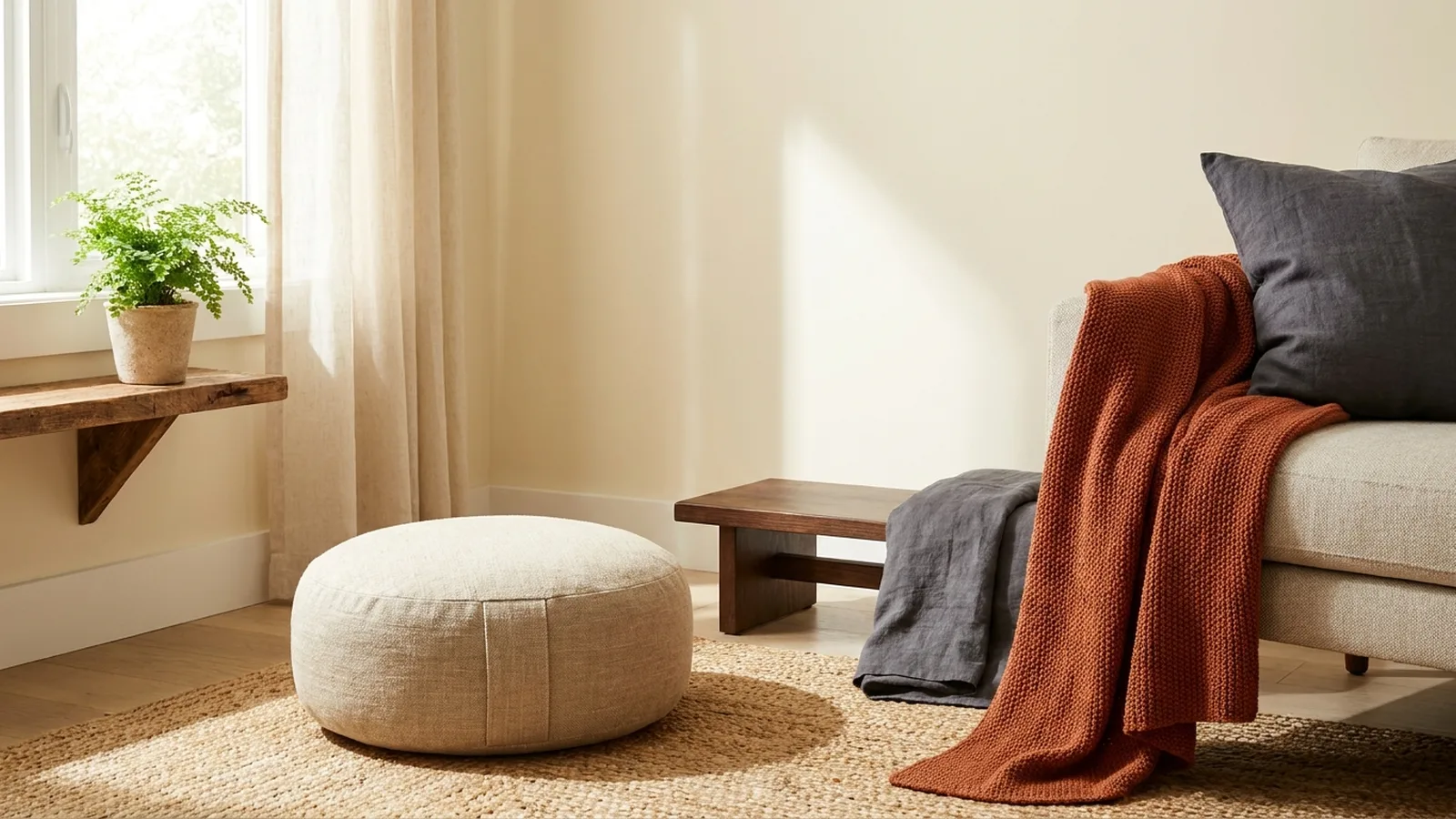
Say you buy a plush, oversized cushion because it looks lovely in the corner of your living room. Twenty minutes into your first sit, your hips have sunk below your knees, your lower back is complaining, and one foot has gone numb. You blame yourself. Wrong target. The seat is the problem, and the fix may cost far less than you fear.
Choosing a meditation chair sounds simple, yet the results are a tangle of $30 cushions, $400 viral desk chairs and $2,950 designer pieces. Nobody explains which one fits your body, your room or your budget. Most pages are shops, so of course they push the product.
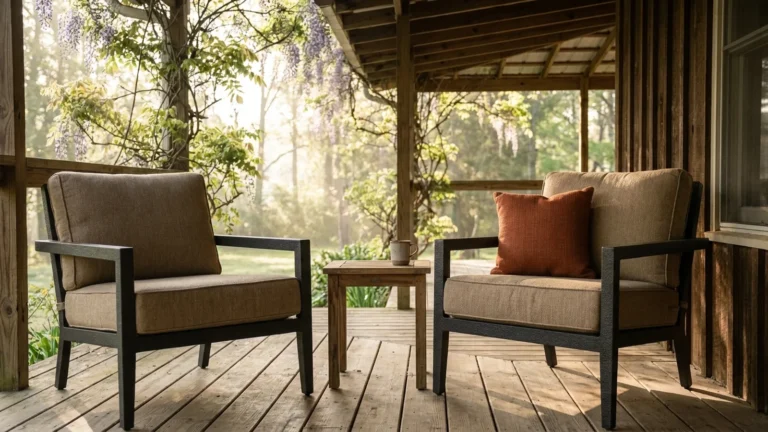
This guide takes a design-first view. You’ll learn what the term really covers, when a cushion is enough, how to check the fit at home, what each price tier buys and how to make the corner look intentional. Think of it as one small part of building a calmer home, the same buy-once logic you’d apply to a sturdy outdoor chair for the porch. Ready to find a seat you’ll actually use?
Executive Summary
You can choose a good meditation seat with about an hour of reading and one afternoon of testing at home. Start with a free towel fit test, compare the three main seat types by price tier, and buy only what your body actually asks for. No seat fixes everything.
Here is what the guide covers. A meditation chair is a loose label for three different things: a backed floor chair, a bench or cushion, and a cross-legged desk chair. Each solves a different problem. The most useful trick is free. You check whether your hips sit higher than your knees using stacked blankets before you spend anything.
Costs split into tiers. Cushions are cheap, viral cross-legged chairs sit in the hundreds, and designer seats climb into the thousands. We’ll look at what the extra money does and does not buy, including the honest verdict Wirecutter gave the popular Pipersong chair.
The biggest objection is "can I justify spending real money on a place to sit?" Often you can’t, and that’s fine. A cheap seat that fits beats an expensive one that doesn’t. The styling section then shows how a $30 cushion can still look like a design choice.
What counts as a meditation chair?
A meditation chair is any seat made for sitting still for a long stretch. In practice that means a backed floor chair such as the BackJack, a low bench for kneeling, a cushion called a zafu, or a cross-legged chair with a wide round seat, like the Pipersong. They are not interchangeable.
Zafu is the round or crescent cushion. A zabuton is the flat mat under it, which protects ankles and knees from the floor. A seiza bench lets you kneel with the weight on the bench instead of your shins. Each one changes where your weight goes.
Search results blur these together, which is why shopping feels confusing. Start by naming the type you want, then compare within it. Every meditation chair below falls into one of these groups.
Do you need a meditation chair or is a cushion enough?
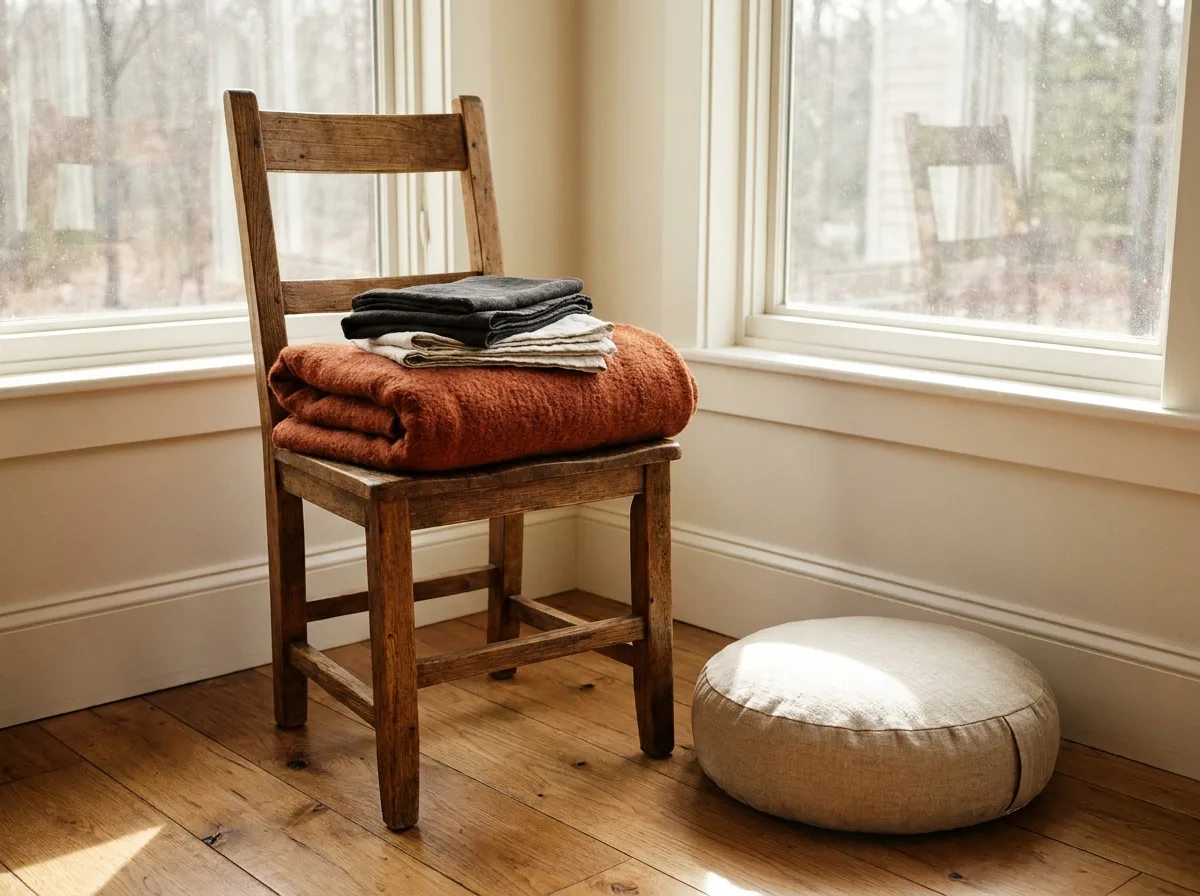
Most beginners don’t need a dedicated meditation chair. A basic cushion, a folded blanket or a plain dining chair is enough to start with. Buy a specialized seat only after you’ve sat regularly for a few weeks and can name exactly what bothers you, whether that’s your knees, hips or back.
One pattern keeps showing up in homeowner threads. Someone buys a $30 zafu, uses it for years and never upgrades. Another person hunts for the perfect seat for months and ends up back on the basic cushion. The hunt becomes the hobby.
Treat the first month as a free trial. Sit on a firm pillow, then a folded wool blanket, then a sturdy chair. Notice what hurts. That list is your shopping brief, and it’s worth more than any review.
Exceptions exist. If knees or hips make floor sitting hard, a backed meditation chair makes sense on day one. Talk to a clinician about pain, since a seat is furniture and not treatment.
If you have sore knees or hips, look for a seat that lets your legs hang or rest without being forced into a deep fold. A bench that takes weight off the shins, a raised cushion, or a regular chair can all be gentler than a low floor cushion. A clinician or physical therapist can tell you which position suits your joints, so check before you buy anything pricey.
How should your hips and knees sit in a meditation chair?
In a meditation chair, most guides suggest your hips sit slightly above your knees so your thighs slope down and your legs don’t fall asleep. This is common advice from seating makers and meditation communities, not a medical rule, so adjust to what feels steady for you.
Why does it matter? When a big soft cushion lets your hips sink below your knees, many people feel strain in the lower back and numbness where a leg crosses the cushion edge. Raising the seat often fixes it.
Try this home fit test, which takes about ten minutes:
- Sit on the edge of your chosen seat with your feet on the floor or crossed in front.
- Slide folded towels under it until your hips feel level with or just above your knees.
- Hold the position for ten minutes and note any numbness, pinching or leaning.
- Measure the stack height. That number tells you what to shop for.
Say your towel stack lands at about five inches. A crescent zafu or a thicker bench is a better match than a flat pad. Seat depth matters as well. Wirecutter noted that the Pipersong has a 14.7 inch round seat, which suits some bodies and crowds others.
Which type of seat fits you best?
Pick a backed floor chair if you want a back rest, a bench if kneeling feels natural, a cushion if you’re flexible and on a budget, and a cross-legged chair if you want to sit raised from the floor. Fit and portability usually matter more than looks, so decide those first.
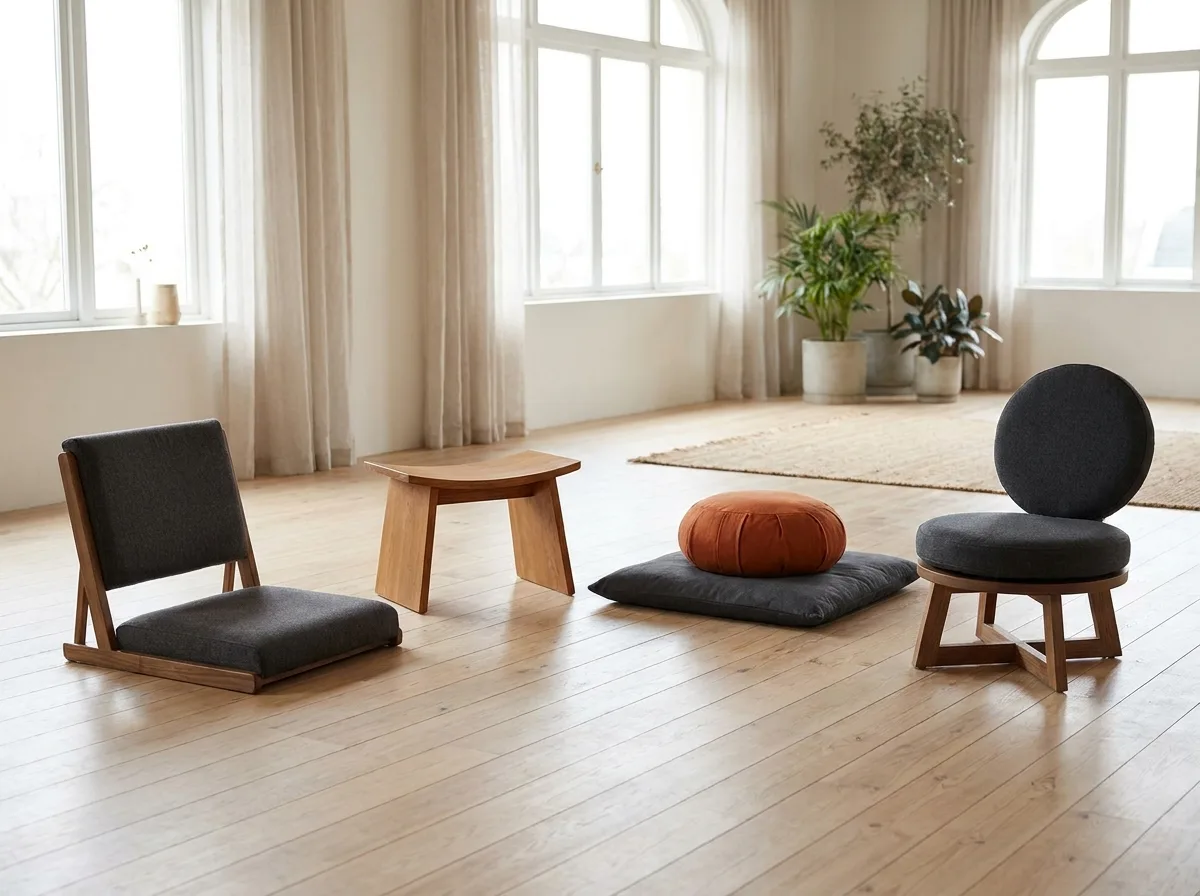
| Type | Best for | Watch out for |
|---|---|---|
| Backed floor chair (BackJack, Tatami) | Back support on the floor | Takes floor space, looks utilitarian |
| Bench (Walden, Ikuko, Florensi) | Kneeling, upright posture | Can feel cramped, flat ones don’t fold |
| Zafu and zabuton | Budget, flexible hips | Sinking if too soft |
| Cross-legged chair (Pipersong, Oyster) | Sitting raised | No arms, upper back unsupported |
The judging criteria are support, space, portability and style. No neutral lab ranks them.
Benches suit upright sitters but can feel claustrophobic to some. A gomden, the rectangular Tibetan cushion, has fans who say theirs lasted a decade of retreats, which is anecdote, not a guarantee.
What does a good meditation chair cost?
A good meditation chair can cost anywhere from about $25 to $45 for a cushion, around $100 to $160 for an entry kneeling chair or ergonomic cushion, $350 to $470 for the popular Pipersong, and $2,950 and up for designer seats. Price mostly reflects materials, brand and build.
Those figures come from public pages, including Wirecutter’s $350 to $470 range for Pipersong, Oyster’s listing from $2,950, and a 2024 roundup that put benches such as the Walden near $500 and the Kingsmith ergonomic cushion at $159. Prices move, so check today’s listing.
A useful way to think about it is cost per sit. A $30 cushion used daily for six years (one reader’s story) costs almost nothing per session. A $400 chair used twice a week for two years is still modest, but only if it fits you. The same chair gathering dust is the most expensive thing in the room.
Cost drivers worth knowing: frame material, upholstery, whether it folds, and shipping. Free shipping thresholds and financing, like Affirm on the Haiku Bodhi page, can change the real price.
Are designer meditation chairs worth the money?
Designer meditation chairs are worth it only if you value them as furniture. They offer better materials, careful geometry and a sculptural look, but no neutral evidence shows they improve your sitting. Buy one for the room it will live in, not for a promised calm.
Take Oyster Wellness, whose backless seats start at $2,950 and run higher with bouclé or Loro Piana fabrics. The geometry is thoughtful, with attention to sit bones, hips and thighs. Haiku’s Bodhi, in seagrass and mango wood, is a gentler entry into the look, with the seat front dropping about 3 inches.
If a $3,000 object makes you want to sit down every morning, it earned its keep. If you’re hoping it will make you meditate, buy a $30 cushion and keep the savings for a good rug and lamp. Furniture can invite a habit. It can’t create one.
Is the Pipersong meditation chair worth it for meditating or desk work?
The Pipersong is better understood as a desk chair than a meditation tool. Wirecutter’s verdict was measured: it is not a cure for a bad office chair, it has no arms, and the upper back goes unsupported. It can work for meditation if a raised, cross-legged seat suits you, but treat it as a second seat.
Armless seats are a general caution, since resting your forearms matters for some people at a desk.
For real meditation, it works if a raised, cross-legged seat suits you. Wirecutter compared it with a $425 HON Ignition 2.0 for office work and noted criss-cross chairs under $100 exist. As a fun second seat, fine. As your only one, I’d pass.
How do you style a meditation corner that looks good?
Style a meditation corner with one anchor seat, a rug to define the zone, soft indirect light and a small surface for a candle or book. Keep it uncluttered, since the corner should look like a pause, not a display.
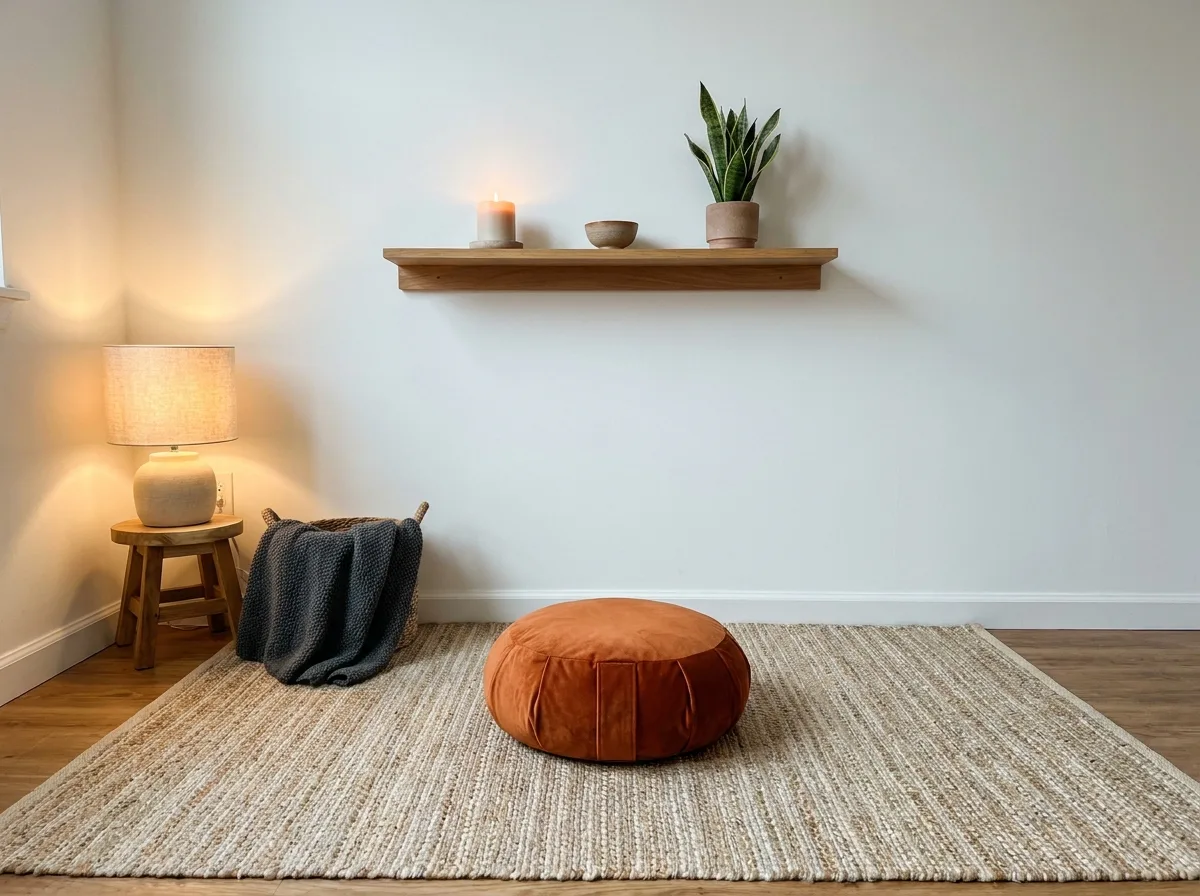
This is the part competitors skip, because shops sell seats and not rooms. Start with the rug, which marks the territory. As a rule of thumb, pick one big enough for your seat plus a little room around it, and layer a zabuton on it gives your knees padding and the space a visual center.
Next, light. A warm lamp beats an overhead fixture. Then storage, where a low floating shelf holds a candle, a bowl and a small plant without eating floor area. If you need to hide blankets and extra cushions, a restyled Malm dresser works as a calm, low cabinet.
For a small apartment, one floor cushion that lives against the wall can define the space on its own. One reader said a single floor pillow was enough to mark their corner. A stackable bench or a slim seat can tuck away between sits.
Which materials and fillings last longest?
Buckwheat hulls and spelt mold to your shape and can be adjusted, kapok is soft and light, and memory foam holds its shape but can feel warm. Bamboo and solid wood frames tend to last longest in benches and chairs. Choose the filling by how much you want to adjust it.
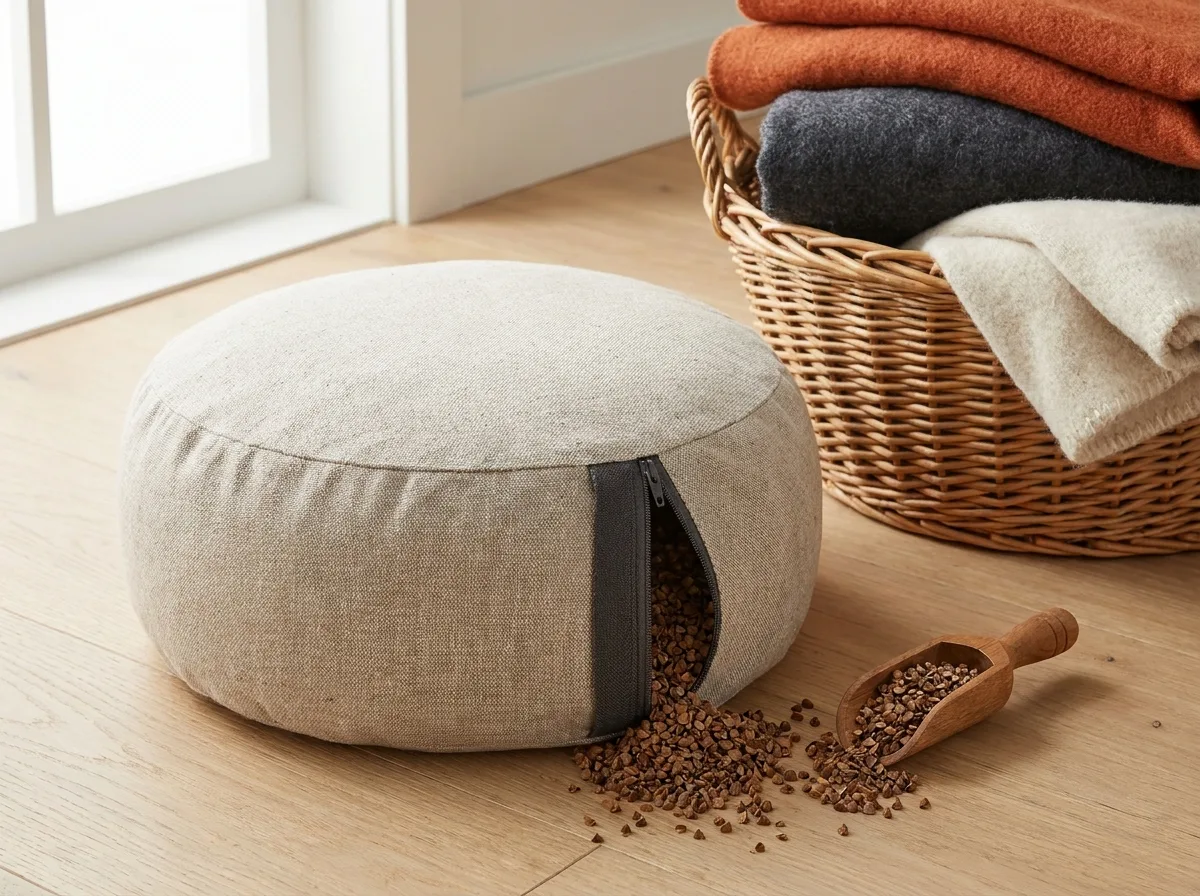
Buckwheat is the favorite among Reddit users because you can add or remove hulls. One person bought 15 pounds once and refilled for years. The trade-off is weight and a faint rustle, which some people dislike.
Look for removable, washable covers and an easy zipper, so refilling doesn’t need scissors. Folding frames add portability but also hinges, which loosen first. Treat any weight capacity as the maker’s claim.
If you want zero spend, folded wool blankets and a yoga block work. A DIY roll of blankets, nicknamed a "samadhi sausage," props the knees nicely. Honestly, it looks scruffy. A neat basket fixes that.
How do you avoid knockoffs and fake shops?
Buy directly from the brand’s own site or a known retailer, and be wary of steep discounts on viral chairs. Fake resale shops and cheap Amazon copies are among the most common complaints, so check the domain, the return policy and recent reviews for wear and fit.
One thread warned about a resale site that looked like the original brand. Compare the domain, return policy and contact details. A common version of this mistake goes like this: a buyer sees a $105 look-alike of a $400 chair, orders it, and finds the seat flimsy and the base wobbly. They then pay return shipping on something that weighs more than expected.
Check review dates, not just stars. A known brand with a clear return window beats a bargain.
Frequently Asked Questions
Is a meditation chair better than a cushion?
Neither is better in general. A cushion suits flexible hips and tight budgets, while a chair helps if floor sitting hurts. Test with a firm pillow first. If you can hold ten minutes without numbness, a cushion is enough.
Can a meditation chair help back pain?
A seat can make sitting more comfortable, but it isn’t treatment. Backed floor chairs add support, and a raised seat can reduce strain for some. If you have pain, ask a clinician or physical therapist before you buy. One reader’s therapist said no to a chair lacking arm and neck support.
What is a seiza bench?
A seiza bench is a low bench you kneel over, so your weight rests on the bench and not your shins. Walden, Ikuko and Florensi are common names. Benches suit upright sitters, but flat ones don’t fold and some people find the position cramped.
How high should my seat be?
Aim for hips level with or slightly above your knees, a common suggestion. Test it by stacking towels under a cushion until your thighs slope gently. Measure the stack. That height is your target when shopping, whether for a crescent zafu or a bench.
Are Amazon meditation cushions any good?
Some are fine, many disappoint. Reviews often reveal poor stitching, odd smells or fillings that flatten. Look at recent photos and one-star complaints, and prefer removable covers. If it needs to last years, a specialist brand with a return policy is the safer bet.
Is the Pipersong chair good for office work?
It is okay as a variety seat, not as your main office chair. Wirecutter found it no replacement for a good desk chair, since it has no arms and leaves the upper back unsupported. Alternate it with a regular chair if you like sitting cross-legged.
Can I use a regular chair to meditate?
Yes. A firm dining chair, feet flat on the floor, works well for many people. Sit forward, away from the back rest, and add a folded towel if your feet dangle. It costs nothing and looks the least odd in a living room.
How do I clean a zafu?
Check the tag first. Many zafus have removable covers you can wash gently, while the hull-filled core is spot cleaned and aired out. Never soak buckwheat, since hulls hold moisture and can spoil. Dry completely before reuse.
What filling is best?
Buckwheat is popular because you can adjust it, spelt is similar and a bit quieter, and kapok is soft and light. Memory foam keeps its shape. Pick buckwheat if you want to tune the height, foam if you want zero fuss.
Do I have to sit cross-legged on the floor to meditate properly?
No, that’s a myth. Many people sit on chairs, benches or kneeling stools, and what matters is a steady, comfortable position you can hold. Pain is a sign to change seats, not to push through. Pick the setup that fits your body.
Conclusion
The best meditation chair isn’t the priciest or the most photogenic. It’s the one that fits your hips and knees, suits your room and gets used. Start free with towels and a firm pillow, then let the discomfort you find write your shopping list. If you still want a statement piece, buy it for its looks and let the practice come from you.
Trust your fit test over any viral video.
Your next step is simple: run the ten-minute towel test this week. For the rest of the corner, our guides to a low floating shelf and a chair built to last outdoors are good next reads. So, what will your hips tell you after ten quiet minutes?