Waterproof Paneling for Shower Walls: What Actually Holds Up
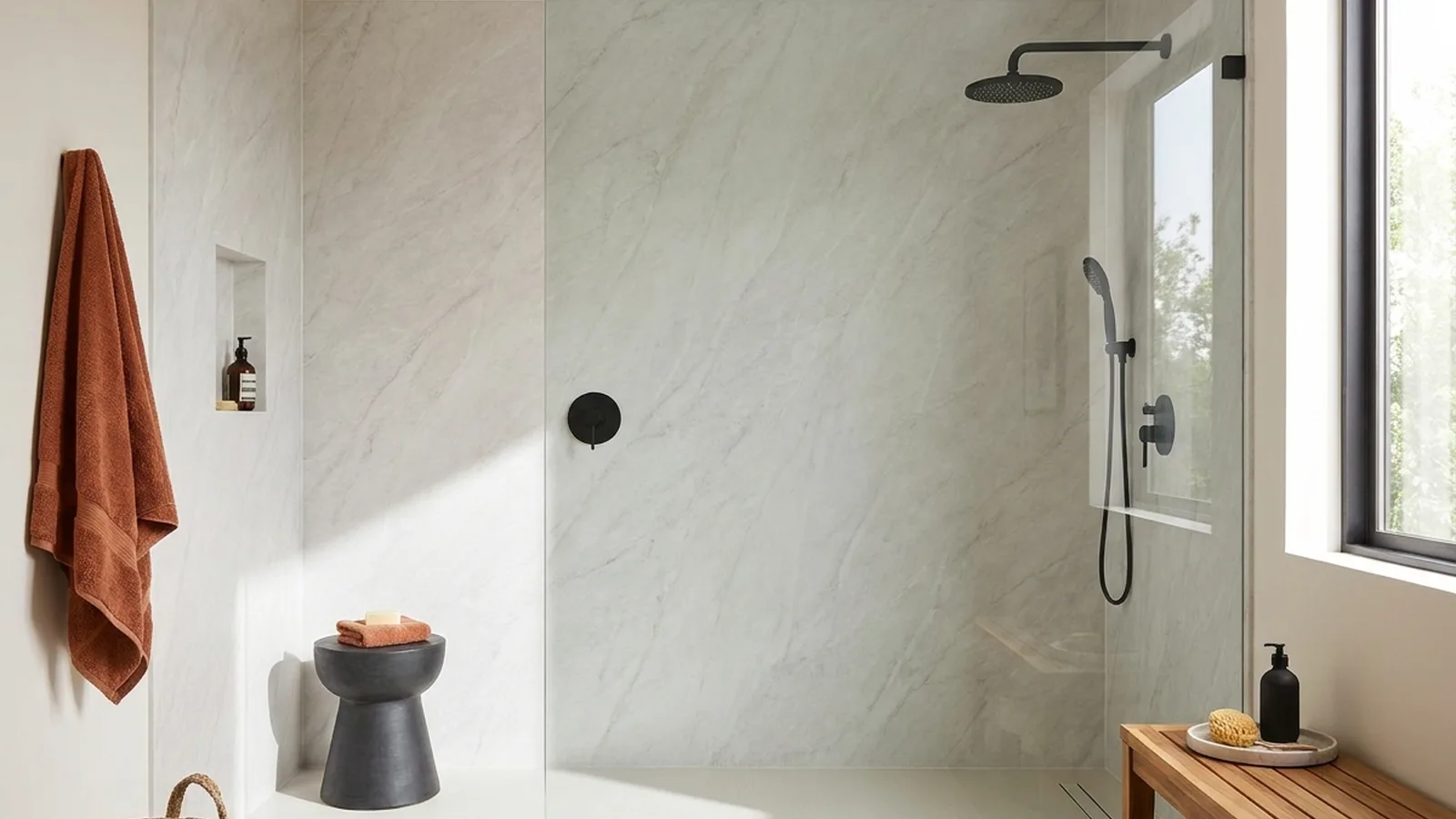
Say you gut a hall bathroom on a Saturday and get a tile quote on Monday. The number makes you wince. Then you spot big, grout-free sheets online that promise a finished shower in a weekend. Is waterproof paneling for shower walls a smart shortcut or a slow leak waiting to happen?
Here’s the part most people miss. The word "waterproof" sits on the sheet, but the water fights the seams, the corners and the wall behind them. A panel can be perfect and the shower can still fail.
This is one piece of a bigger puzzle, planning a full bathroom remodel, so we’ll keep the focus tight. You’ll learn which panel types exist, what they really cost, what goes behind them and where they quietly fail. No hype, no "100 percent waterproof" claims.
Executive Summary
Waterproof shower panels can be a sound, budget-friendly choice when you match the panel to the wall, the wall to the water and the seams to a patient installer. You’ll leave knowing the difference between surface panels and the backer boards that hide behind tile, because the search results blur the two.
Three insights carry the rest of this guide. First, a panel is only as waterproof as its seams, so caulk and trim matter more than the brand. Second, the wall behind it decides more than the label does. Third, cheaper doesn’t always mean easier, since 8-foot sheets are heavy, awkward and often sold only in kits.
Lamont Bros (April 2026) puts the panel-system cost at roughly $1,750 to $3,000 for an average shower. Your biggest worry is probably "will it fall apart in five years?" The honest answer is in the sections below.
What counts as waterproof paneling for shower walls?
Waterproof paneling for shower walls means one of two different products: a finished surface panel that replaces tile, or a waterproof foam backer board that goes behind tile. Both get called "waterproof panels," but only the first is the final wall. Knowing which you’re buying prevents the costliest mix-up.
PlaceForPros, a bath-product guide, draws the same line. Surface panels (PVC, acrylic, laminate, solid surface) are the look you see. Foam backer boards, the kind Wedi and Schluter make, are the hidden layer that tile sits on.
This guide is mostly about surface panels, with backers covered where they matter. Mixing the two up is how people order the wrong thing and wait weeks for the right one.
Which panel types are there, and who are they for?
The main shower panel families are PVC, SPC (stone plastic composite), acrylic, high-pressure laminate, solid surface and cultured marble. As a general rule PVC and SPC sit at the budget end, laminate and acrylic in the middle, and solid surface and cultured marble at the top. Each trades price against durability and look.
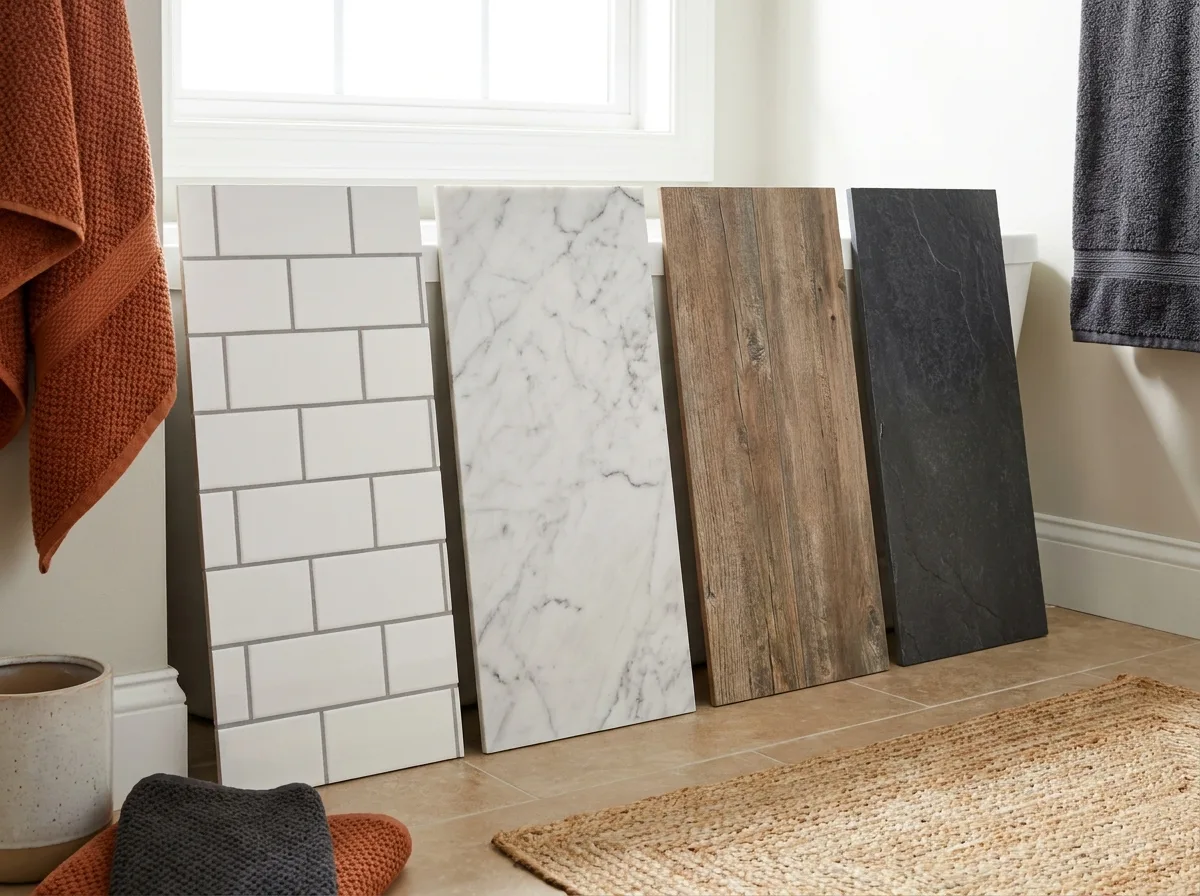
PVC is lightweight plastic and, in general, easy to cut, which makes it a common pick for rentals and secondary baths. SPC is a stone plastic composite that is typically more rigid and often uses a click-lock edge. Acrylic is generally glossy and smooth. Laminate, like Wilsonart Wetwall, is a harder skin on a core. Wilsonart lists Wetwall at about 0.41 inches thick and about 1.65 pounds per square foot.
Solid surface (Corian, Swanstone, Kohler Choreograph, Transolid, Maax) is the premium tier. Honestly, I’d skip the bargain peel-and-stick sheets for a wet shower. They’re decor, not waterproofing.
Is cultured marble the same as marble-look panels?
No. Cultured marble is generally described as a stone-and-resin blend cast into a seamless wall with a glossy finish. A marble-look PVC or SPC panel only prints the pattern. Real marble shower walls are natural stone slabs. All three look similar in photos and behave very differently on cost and upkeep.
A common mix-up goes like this: a buyer falls for a marble photo, orders marble-look panels and expects slab behavior. They get plastic with a printed vein.
Cultured marble wins on seamless cleaning, and one Houzz commenter called it easy to keep clean. Natural marble needs sealing and careful cleaners, because acids etch it. If you want that look without the upkeep, a matching shower floor tile in a similar tone ties it together.
What does waterproof paneling for shower walls cost compared to tile?
Waterproof paneling for shower walls usually costs far less than tile once labor is counted. One remodeling contractor guide updated in April 2026 puts panels at roughly $1,750 to $3,000 for an average shower, while a full tile system runs $16,000 to $20,000. Real totals swing with size, wall repair, trim and local labor rates.
Treat those as one contractor’s ranges, not a law. A panel seller claims tile at about $9 per square foot plus $10 labor, against a panel kit near $119 plus about $30 in accessories. That’s a seller’s claim, so verify it locally.
Say you have two secondary bathrooms and about $5,000 per tiled shower in mind. Panels could free much of that budget. One reply in a homeowner thread offered a different plan: put in cheap fiberglass now and tile later when you can afford it. That’s a legitimate plan, and I like it.
What goes behind shower wall panels?
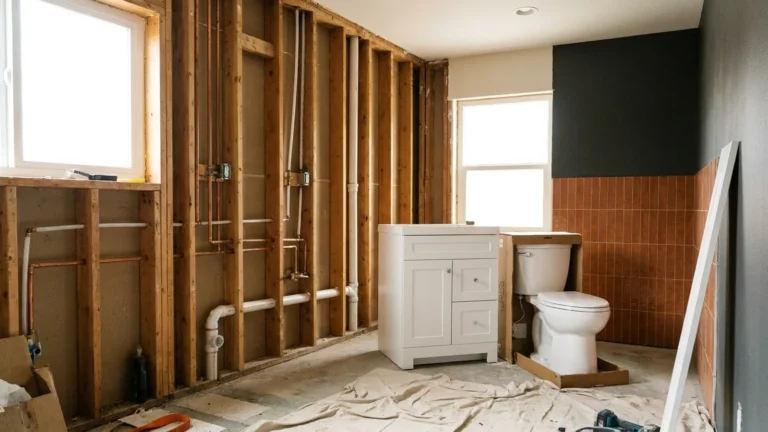
Behind shower wall panels you need a flat, sound, water-tolerant wall, not plain drywall. Cement board, a waterproof foam backer or at minimum moisture-resistant board is typical. Panel adhesive only holds as well as the surface under it, and uneven walls telegraph through every sheet.
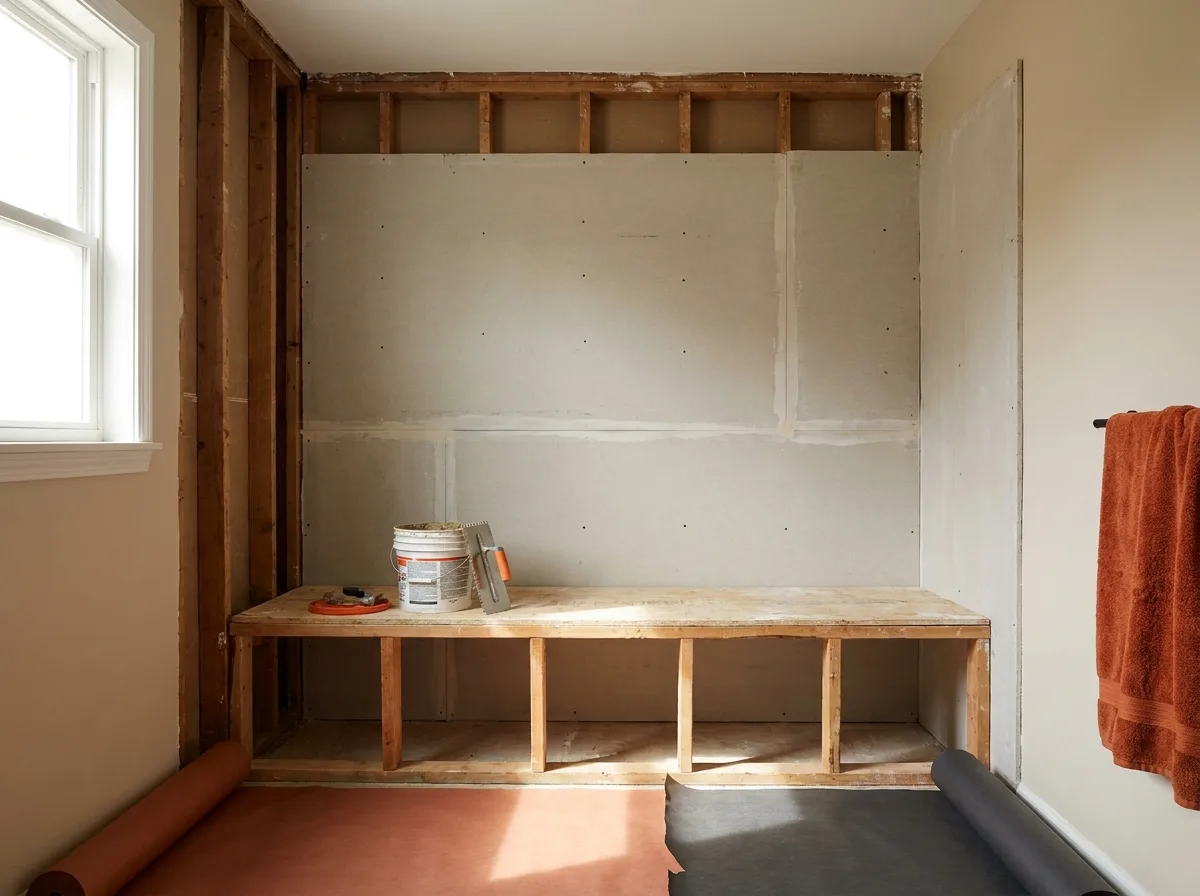
An installer in a construction forum said he’d done 200 or more showers and that success comes down to the wall: at least half-inch board, approved adhesive in the right amount and the provided inside corners. Others said never plain drywall behind a shower.
One Quora answer from 2018 suggests brushing a liquid membrane like Red Guard over wallboard. Treat that as a lead, not a rule. Panels can also go over existing tile if it’s flat, sound and clean, which saves demolition. Check the adhesive instructions first, since some makers don’t allow it, and fill thick grout lines so they don’t telegraph through. Before any of this, check the bathroom plumbing behind the wall, since you don’t want to bury a valve you’ll need later.
Is waterproof paneling for shower walls really waterproof?
The panel face is waterproof, but the shower is only as watertight as its seams, corners and edges. Caulk, trim and adhesive coverage decide the result. One installer thread says a properly installed 1/4 inch PVC panel keeps water out, yet one skipped bead of sealant can let it in.
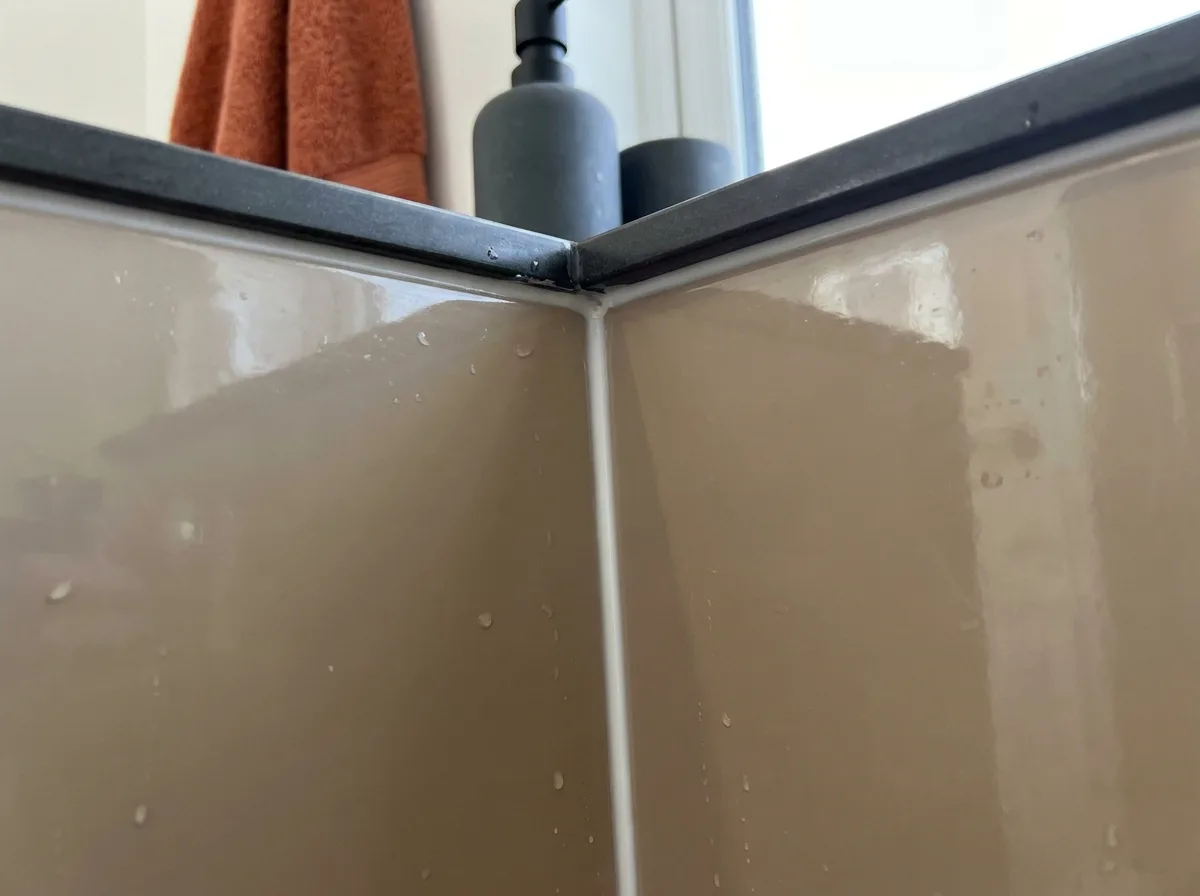
Here’s the failure story that keeps showing up. A panel looks flawless on day one. Months later the corner caulk shrinks, water wicks behind it and the backing board swells. The panel was fine. The seam lost.
Other failure points from real threads include panels that wouldn’t lock and got screwed in place, wrong trim shipped with the kit and walls that weren’t flat. Fixes are boring and effective: dry-fit everything, use the manufacturer’s sealant, and re-caulk joints every few years. Warranties vary and can reach 10 years, so read the exclusions.
What styles and looks can you get?
Shower panels come in marble looks, subway tile looks, wood grain, slate, concrete and large-format stone, plus plain solids. Faux grout lines add a tile feel but can look odd on marble patterns. Choose a look that suits the surface, because texture and gloss matter more than the photo.
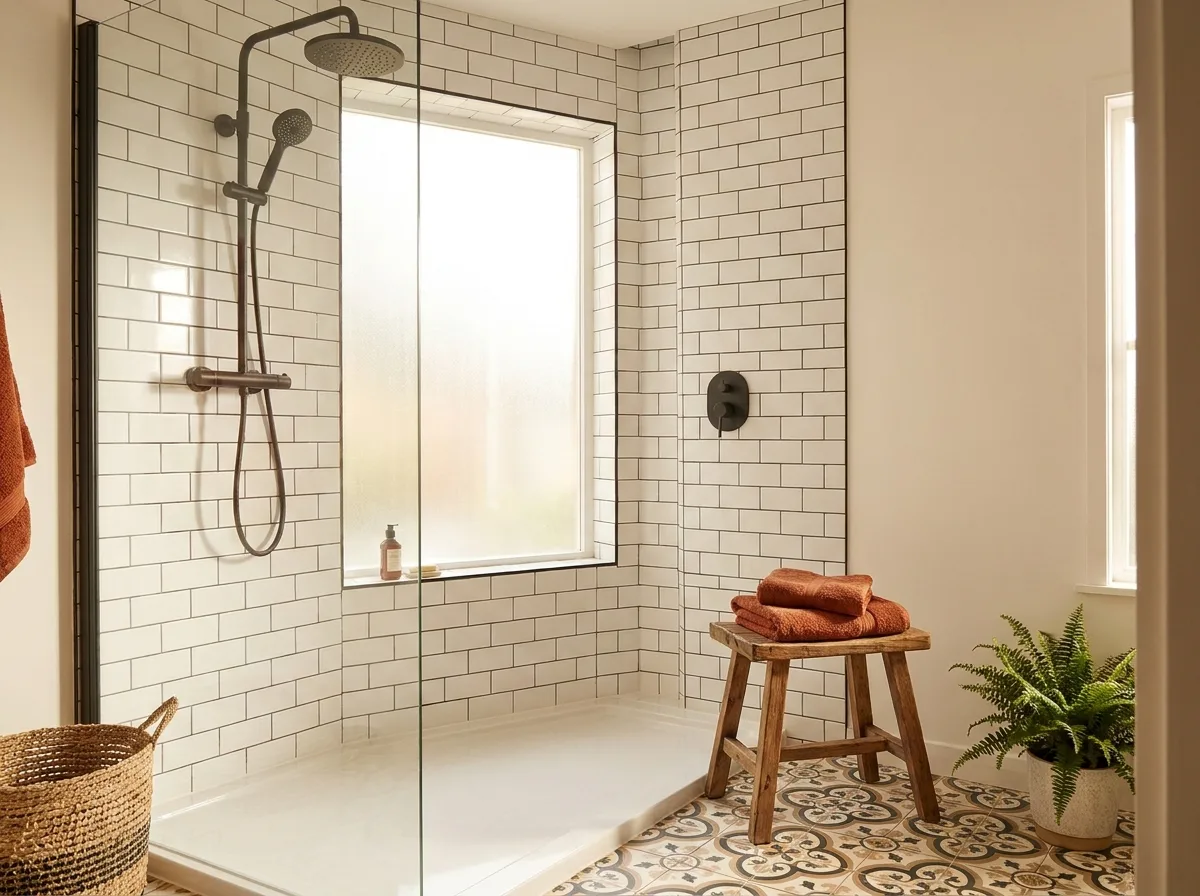
Subway looks work in tight bathrooms and marble looks suit modern baths. One Houzz voice thought faux grout lines on marble patterns looked strange, and I agree. Skip lines on a pattern that wouldn’t have them.
The simplest mix is panel walls with a tile floor, since panels don’t go on shower floors.
Why can’t you buy a single panel, and how hard is the install?
Many panels are sold only in shower kits, and the sheets are large, about 8 feet tall and heavy enough to need two people. Shipping often arrives on pallets, and the install rewards patience. Plan the delivery, the cuts and the helper before you order.
Wall Panel Warehouse and similar sellers often bundle three-piece kits. A 24 by 96 inch panel covers 16 square feet, which helps you size an order. The typical steps are:
- Remove old wall surface and check the substrate.
- Dry-fit panels and mark cuts.
- Apply adhesive in the pattern the maker specifies.
- Set panels, add inside corners and trim.
- Seal every joint and let it cure before use.
Budget a weekend for a first-timer and a day or so for a pro, as rough guesses. DIY is possible, but finding a pro who knows panels is hard, so ask before you commit.
How do you clean and maintain waterproof shower panels?
Wipe panels after showers, clean with a mild non-abrasive cleaner and watch the caulk lines. Harsh scrubbers can dull the gloss, so skip steel wool and gritty powders. Maintenance is mostly seam care, which beats scrubbing grout, and it takes only minutes a month once the habit is set.
No grout is the best selling point and a real saving of effort. A squeegee habit keeps soap film from building. Check caulk twice a year and replace any bead that cracks or peels. Replacement is cheap and quick. A well-vented room also dries faster, which slows mildew.
Panels, fiberglass or tile: which should you pick?
Pick panels for budget, speed and low upkeep, fiberglass for the cheapest watertight shell and tile for a traditional or high-resale bathroom. Wall shape matters too, because panels dislike odd angles and curved walls, and a crooked wall needs repair first either way.
| Situation | Best fit | Why |
|---|---|---|
| Rental or secondary bath | Panels | Lowest cost and fast |
| Tight budget now | Fiberglass | Cheapest watertight base |
| Traditional or resale-focused bath | Tile | Looks custom |
| Straight, flat walls | Panels | Fewer cuts |
| Curved or unusual walls | Tile | Panels struggle |
A small bath with plain walls and a simple layout is a good panel candidate. A caution: panel looks can date faster than tile, and one thread called them delicate over time.
How do you pick waterproof paneling for shower walls without regret?
To pick waterproof paneling for shower walls without regret, check the wall first, order the full kit with trim, plan the seams and read the warranty exclusions. Choose the type that suits your budget and your wall, not the prettiest photo.
Quick checklist for this kind of project: measure twice, confirm panel size against ceiling height, ask about shipping, buy matching inside corners, and keep a sealant bead on the calendar. Cheap peel-and-stick isn’t a shower wall. Anything electrical, such as a lighted niche or steam generator, needs a licensed pro, and permits and codes vary locally.
Frequently Asked Questions
Are bathroom wall panels cheaper than tile?
Yes, usually. Panels cost less in materials and labor because installation is faster and needs no grout. One contractor guide lists panels around $1,750 to $3,000 for an average shower against much higher tile systems. Costs vary with size, wall repair and trim. Our bathroom remodel guide helps you budget the whole room.
Can you put shower panels over existing tile?
Often yes, if the tile is flat, sound and clean. Panels can go over tile or backer board, but loose or uneven tile will show through. Check adhesive instructions first, because some makers don’t allow it. Thick grout lines may need filling, so test a spot before ordering a full kit.
Are SPC panels better than acrylic?
It depends on the wall. SPC panels are generally rigid and click together, which suits budget baths. Acrylic is typically smoother and glossier. Neither is always better. Compare thickness, warranty and the manufacturer’s stated shower use before you buy, and read how seams are handled.
Are waterproof panels better than cement board?
They do different jobs. Cement board is a substrate, a base for tile. Panels are the finished wall surface. Some systems install panels over a backer, so it isn’t either-or. The common mistake is thinking panels replace the wall structure behind them. They don’t, and the board underneath still needs to be sound, flat and rated for wet areas before anything goes on top of it.
Can you tile over waterproof panels?
Generally no, unless the manufacturer says so. Surface panels aren’t designed as a tile base, and adhesion can fail. If you want tile, use a tile-ready waterproof backer board such as foam board instead. That is the product type to look for, so read the label carefully.
Do waterproof panels work in a steam shower?
Not automatically. Steam adds constant heat and moisture, so you need a product the maker approves for steam. Ask for written confirmation. Seams and adhesive take the biggest beating. Steam generators also involve electrical and plumbing work, so hire a licensed pro and follow local code.
Do shower wall panels grow mold?
Panels resist mold on the face because they’re nonporous, but mold can grow in dirty caulk or behind a failed seam. Keep the room ventilated, wipe the wall and replace cracked sealant. Some products add antimicrobial surfaces, though that doesn’t replace ventilation. Bathroom plumbing leaks cause the same trouble.
How long do shower wall panels last?
Warranties can run up to 10 years on some products, and lifespan depends on install and upkeep. As a general expectation, careful installs with maintained seals hold up better, while a rushed one can fail early. Treat warranty length as a hint at maker confidence, then read the fine print.
Can a beginner install shower panels?
Yes, with patience and a helper. The sheets are large and the dry-fit step matters most. Many people find panels harder than advertised, so don’t rush. If a wall is crooked or the plumbing is in the way, hire a pro who actually knows panels, not just tile.
Is "100 percent waterproof" really true?
No, that’s a myth. The panel face may be waterproof, but joints, corners and trim leak if sealed poorly. Waterproof describes the material. Watertight describes the installed shower. Judge a system by its seams, trim and warranty, not its slogan, and ask the maker how they expect the joints to be sealed and for how long.
Conclusion
Waterproof paneling for shower walls works when you treat the seams and the wall behind it as the real product. The panel is the easy part. Match the type to your budget, confirm the substrate, order the full kit and keep sealant fresh, and a panel shower can outlast its reputation.
Back to that Monday quote. Panels may well save you thousands, while tile still wins for traditional bathrooms and resale. My own opinion: a good panel shower is a quiet win, and a rushed one is the loudest regret.
Your next step is simple. Measure the wall, check what’s behind it and price one honest kit. For ideas on the floor below, read our shower floor tile ideas.
So which matters more in your bathroom: the look of the wall, or how long you want to go without thinking about it?