Cedar Fence Ideas and Styles That Still Look Good in Ten Years
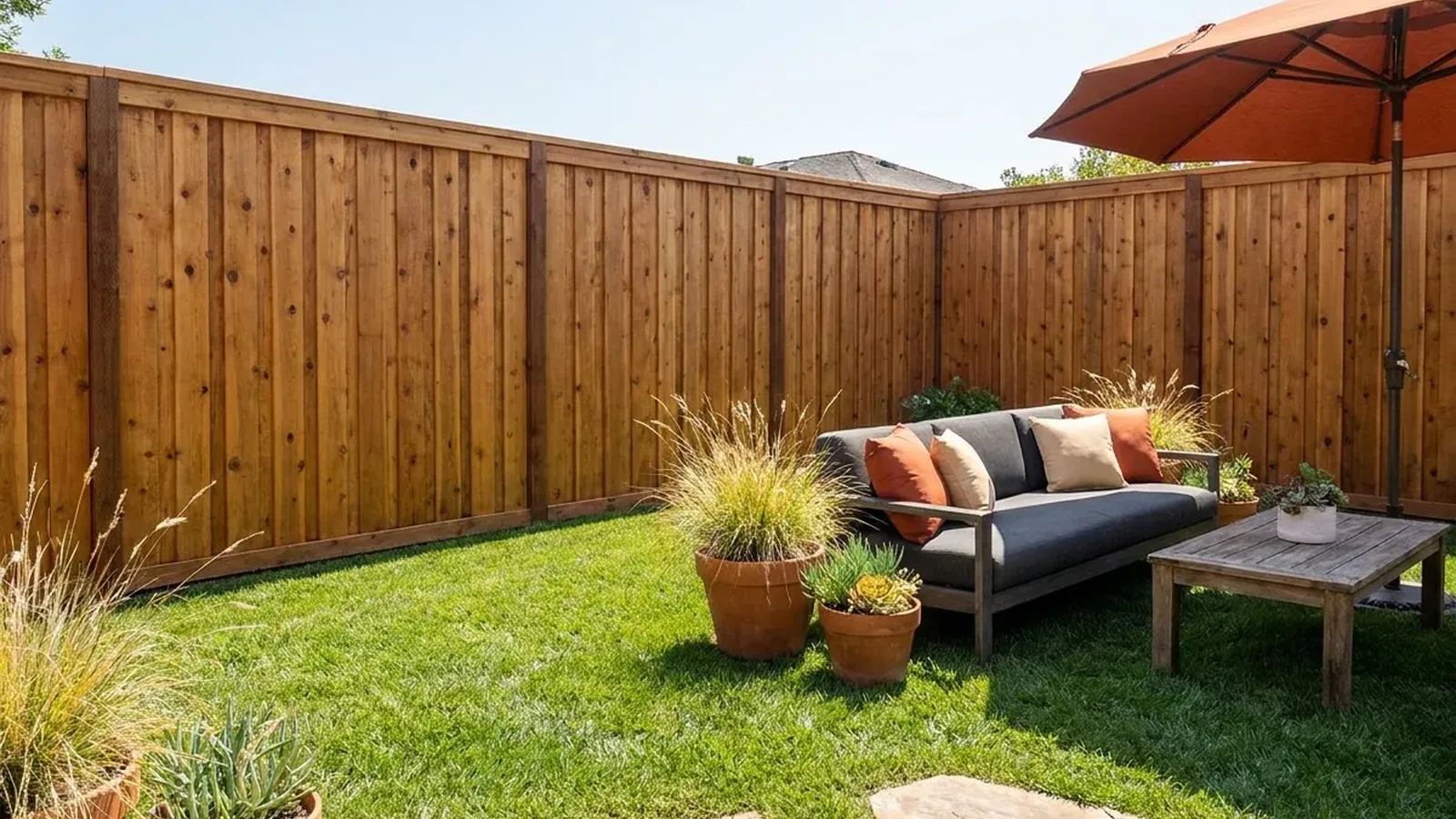
Say you’ve collected three fence quotes for the back yard, and every one of them says "cedar." One is thousands of dollars lower than the others. Same wood, right? Probably not. A cedar fence is a bundle of choices, and the pickets are the least risky part of the bundle.
Most regrets show up around year six or seven. A post rots at the soil line. A rail sags. The boards turned a tired gray and nobody planned for it. Meanwhile the photos you pinned only showed the pickets on a sunny day.
So this guide starts with the parts nobody photographs: which cedar you’re really buying, what holds the fence up, and what a fair quote looks like. Then we get to styles. It’s one piece of the bigger job of planning your outdoor space, and it goes faster once you know where fences fail.
Executive Summary
You’ll leave with a clear way to pick a cedar fence style, read a quote and avoid the usual failures. First, the unusual part: buy cedar for the pickets, but think hard before you trust cedar for the posts and rails. Those hold the weight and sit nearest the wet ground.
You’ll also learn that "cedar" on a quote can mean several different trees, and why that matters for warping. We cover clear and knotty grades, six popular styles, a rough cost range built from homeowner reports, and the stain-or-gray decision. A short comparison with vinyl rounds it out.
Your biggest objection is probably the price. Fair. Cedar costs more than pine, and the honest answer is that it pays off only when the structure underneath is right and you accept some upkeep. We’ll show where the money belongs and where it doesn’t, with realistic time estimates for upkeep so nothing about the weekend work surprises you.
What Makes a Cedar Fence Different From Pine or Pressure Treated?
Cedar is a naturally oil-rich softwood, so its heartwood resists insects and decay without chemicals. Pressure treated (PT) pine is cheaper and gets its rot resistance from preservatives pushed into the wood. Cedar is lighter, straighter, smells good and weathers to silver. PT is tougher at ground contact. Neither is rot proof.
The wood’s resistance comes from heartwood, the darker center of the tree. Sapwood, the pale outer layer, has almost none. A board with lots of pale edge will not last like one cut from the core.
Here’s the pattern that keeps showing up in homeowner threads. People hear "rot resistant" and read it as "rot proof." Then cedar stays damp against the ground and rots anyway. Treat the word as a head start, not a guarantee.
My opinion: cedar is worth it where you see it and touch it. It’s less worth it where you can’t.
Which Cedar Is Really on Your Fence?
Western red cedar is the benchmark for fencing, but boards sold as cedar can also be Japanese cedar (sugi), incense cedar or eastern white cedar. They look similar from the street and behave differently over time. Ask your seller for the exact species, in writing, before you sign or buy.
Installers on Reddit’s fence forum tend to prefer western red. Japanese cedar is usually cheaper because much of it is imported, and some installers report more warping and twisting in it. One installer noted it shrank less between boards, so it isn’t all bad. It’s different, and it should be priced differently.
One fence company blog also warns about cheaper lumber labeled "Chinese cedar," which it says isn’t a true cedar. Treat that as one contractor’s view, not settled fact.
Ask three questions of any bidder:
- What species and grade are the pickets?
- Are the posts and rails cedar too, or something else?
- Is the fence package imported, and from where?
A vague answer to the first one is your answer.
Clear or Knotty: Which Cedar Fence Grade Do You Need?
The Western Red Cedar Lumber Association lists two main grades for fencing, clear and knotty. Clear has few or no knots and costs more. Knotty has tight knots and a rustic look. For most privacy fences, knotty looks good and does the job. Pay for clear only when the face is a design feature.
Real Cedar, the association’s consumer site, also lists surface textures: saw textured, rough, smooth (S4S) and rough sawn. Rough textures hold stain well. Smooth looks modern but shows wear sooner.
Here’s a quiet truth. One homeowner on Reddit called the cheapest knotty boards "perfect and does the job." I agree for a back yard fence. Neighbors rarely stand close enough to count knots.
Where clear earns its price: horizontal slat fences, front-yard fences and anything with a tight, modern pattern. There, a single dark knot reads like a smudge on a white wall. Matching the grade to the style is the cheap trick nobody tells you.
What Are the Best Cedar Fence Styles and Ideas for Your Yard?
The most popular cedar fence styles are dog ear privacy, board on board, shadowbox, horizontal slat, picket and lattice top. Pick by what the fence must do: block sight lines, let air through, add warmth to a modern house, or just mark a boundary. Style choice changes cost, upkeep and how the fence handles wind.

Each style, in plain terms:
| Style | What it looks like | Best for | Watch out for |
|---|---|---|---|
| Dog ear privacy | Flat boards, clipped top corners | Standard back yards | Gaps open as boards shrink |
| Board on board | Overlapping boards, no gaps | True privacy | Uses more wood |
| Shadowbox | Boards alternate on each side | Privacy with airflow | Costs more than a plain fence |
| Horizontal slat | Boards run sideways | Modern homes | Needs strong posts, sags if rails are weak |
| Picket | Short, spaced pickets | Front yards | Little privacy |
| Lattice top | Solid below, lattice above | Vines, softer look | Extra pieces to stain |
I judged these on privacy, airflow, wood use and upkeep, based on how installers describe them. A classic picket fence suits a front yard best. If you like wood paired with open mesh, wood and wire combinations make a good contrast for garden edges.
A quick decision rule. Pick board on board if privacy is the whole point. Pick shadowbox if you get wind. Pick horizontal if the house is modern and your posts are sturdy.
Clear cedar balusters used as square pickets get an "expensive but very nice" review from one New England homeowner. I’d save that for a front gate.
Cedar or Pressure Treated Posts and Rails: What Actually Lasts?
Fences rarely fail at the pickets. They fail at the posts and rails, because those touch soil, trap water and carry the load. Many installers use cedar pickets on pressure treated or metal posts and rails. Cedar rails are soft, so they sag. The structure should be the toughest part of the fence.
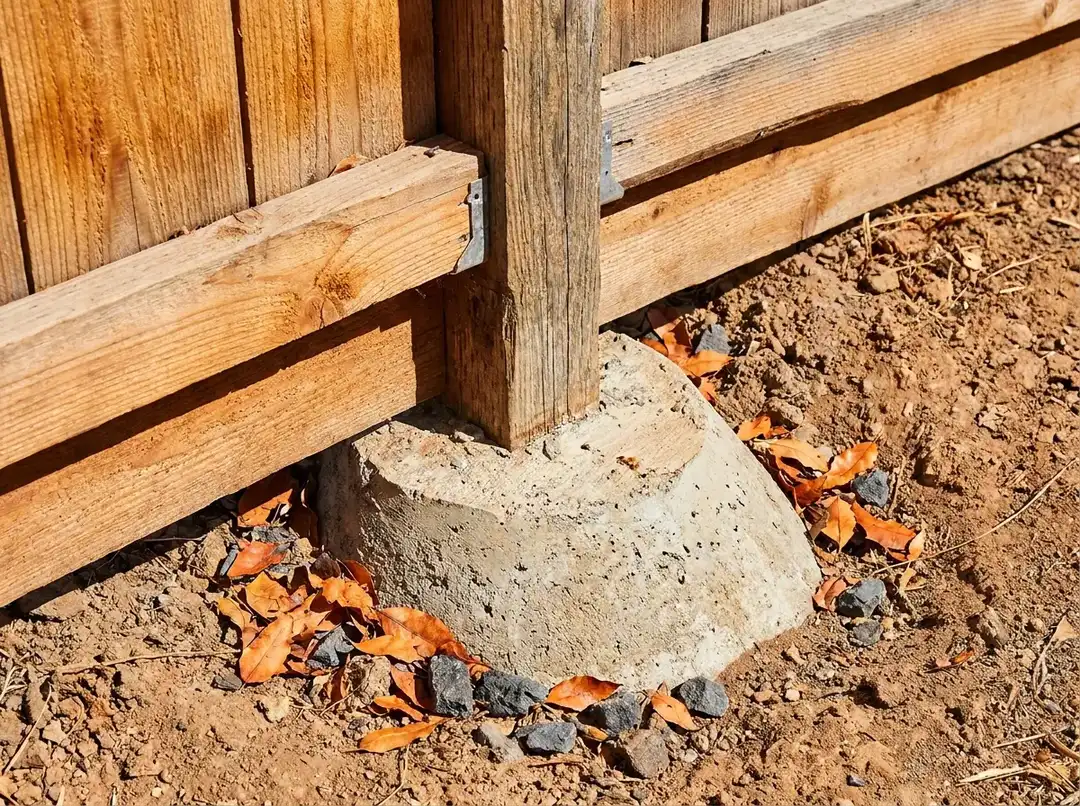
Rail material matters more than most buyers expect. Real Cedar specs call for 4×4 or 6×6 posts and 2×4 or 2×6 rails. That’s the standard frame. What it’s made of is your call.
Here’s a composite example. Say a homeowner buys a fully cedar fence for a flat back yard. By year six the pickets still look fine, but two posts have gone soft at the soil line and the fence leans. Replacing posts means pulling pickets and rails too. A common version of this mistake is paying for premium boards while skipping a better post.
The fix is boring and works: PT or galvanized steel posts, set in concrete with the top sloped to shed water, and PT rails. Keep the cedar where people see it. Concerns about PT leaching near vegetable beds are common, so keep PT away from edible gardens or use a liner.
Soil and drainage matter too. If your yard stays wet, cedar posts will struggle however good the wood is.
How Much Does a Cedar Fence Cost per Foot Installed?
Homeowners report installed cedar fences running roughly $30 to $40 per linear foot in some areas, with a lot of variation. Wood is only part of it. Labor, post type, demo of an old fence, gates, slopes and local rates drive the total. Always compare bids line by line, not by bottom line.
These are anecdotes from Reddit, not a survey. One owner reported about $11,000 for roughly 300 feet with three gates and called it fair. Another cited a six-foot cedar fence with metal posts and demo near $40 per foot in Southern California. A different quote for about 20 feet came to $7,633, which looks like an outlier.
For materials only, one Pacific Northwest seller listed a cedar 4×4 around $4.50 per linear foot and a premium 1x6x6 picket near $3.59 against $1.79 for economy. That’s one seller, one region, so treat it as a ruler and not a price.
What moves the bill most:
- Tear-out and haul-off of the old fence
- Slopes, rock and tough drainage
- Metal posts versus wood
- Number and type of gates
- Your local labor market
If the price looks too good, ask why. Lowball bids often cut anchoring, and anchoring is what keeps the fence standing.
Should You Stain the Wood or Let It Go Gray?
Both are fine. Untreated cedar fades to silver-gray within a year or two, which many people like and which costs nothing. Stain or UV oil keeps the warm tone but needs recoating on a schedule. Decide before install, because the first coat goes on easiest when the boards are new and dry.
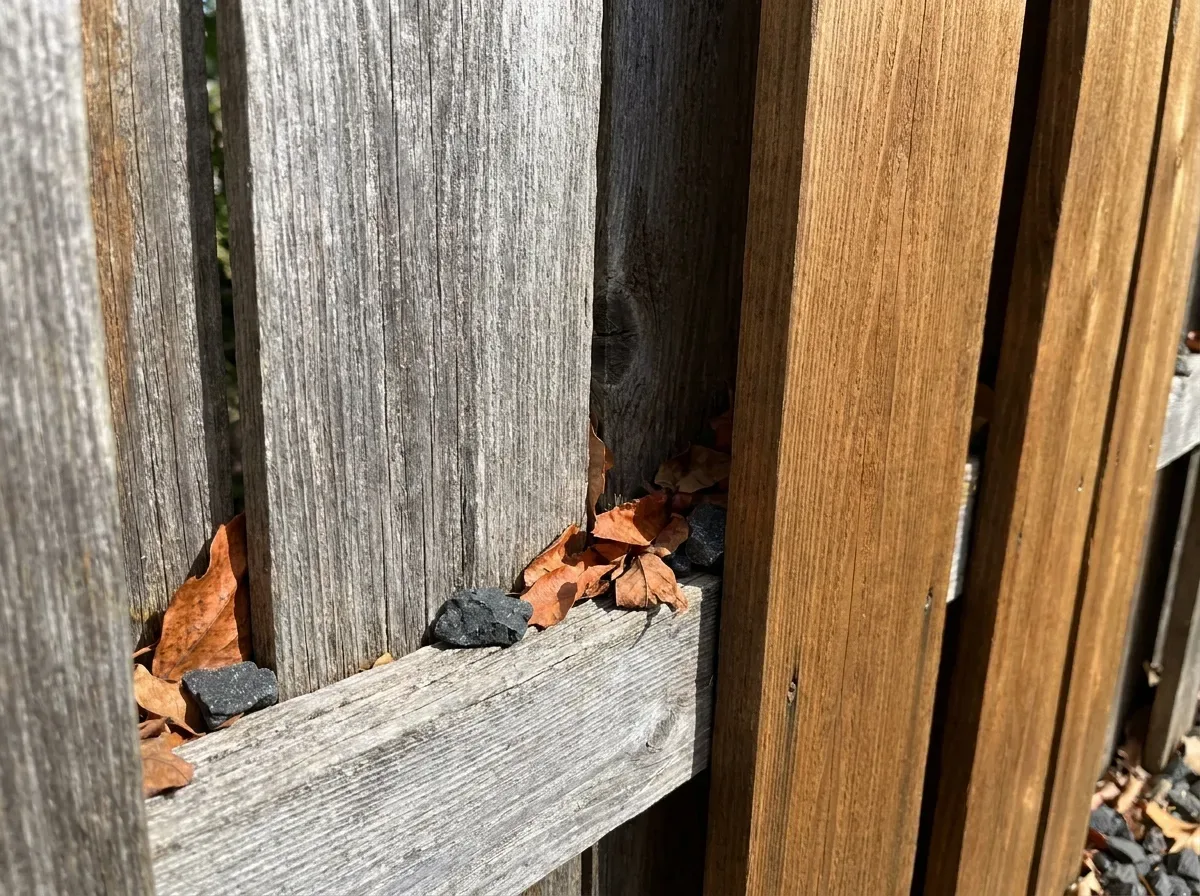
Silver is the low-effort option. Maintenance is a yearly rinse and a check for loose fasteners. Staining keeps color, but you take on the recoat. Semi-transparent stains let grain show. Clear sealers look natural but fade quickly. Some homeowners use penetrating UV oils such as Osmo, which one Reddit user praised for stopping graying, though that was a UK yard.
Ask yourself an honest question: will I really recoat every few years? If the answer is "probably not," let it go gray from the start. A half-stained fence that’s peeling looks worse than a plain silver one. Product guidance varies, so follow the label for drying time. Our guide to choosing a stain that holds up outside covers application tips that carry over to fences.
Cedar or Vinyl: Which Is the Better Buy?
Cedar costs less upfront than premium vinyl in many markets, is easy to repair board by board and looks warmer. Vinyl needs less routine care but can crack, squeak and be harder to patch. Choose cedar if you want a natural look and will do light upkeep. Choose vinyl if you hate maintenance.
Installers on Reddit were blunt. Vinyl is not zero maintenance, because it cracks and a cracked panel is a panel replaced. Wood is easier to patch. One remodeler suggested wood needs real care every 10 to 15 years. Another said a 25-year-old cedar fence "doesn’t look horrible."
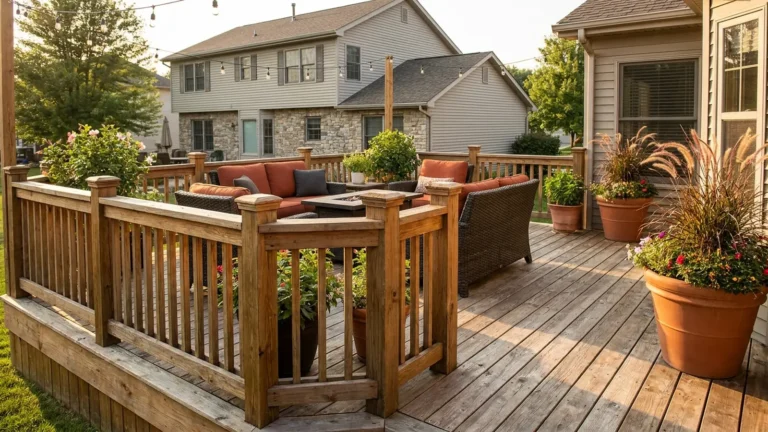
Vinyl brands such as Bufftech are common, and I’d still call this a lifestyle choice. If you’d rather spend Saturday morning on a patio than with a brush, vinyl suits you. If you like a wood look beside a deck, cedar blends better. Pairing a fence with wood deck railings is easier when both are natural wood.
What Do Fence Quotes Hide, and What Rules Limit Height?
Good quotes name the species, grade, post material, footing depth, gate hardware and demo plan. Height is limited locally, and six feet is common for back yards while eight feet is often restricted. Check your city and any HOA before you sign, because rules vary and permits may be required.
Before you accept a bid, ask for these in writing:
- Wood species and grade for pickets, posts and rails
- Post material and footing depth (30 inches is often mentioned, but local frost depth rules)
- Fasteners, stainless or galvanized
- Gate hardware
- Who pulls the permit and who handles demo
- Which side faces your neighbor
Some towns want the "good side" facing out. Others don’t care. A quote that skips these lines is a "go away quote," as installers call it.
On height, one Reddit commenter pointed out that an eight-foot fence "looks massive" even where it’s allowed. I’d stay at six unless you truly need more. A fence on a slope may need racked panels or stepped sections, which changes cost.
Finally, one more thing worth saying: the installer matters more than the wood. A great cedar board set badly will fail.
Frequently Asked Questions
How long does a cedar fence last?
Many homeowners and installers report a cedar fence lasting somewhere between 15 and 25 years, but it depends on soil, drainage, post material and upkeep. Pickets often outlast the posts. One Reddit user said a 25-year-old fence still looked decent. If the posts are PT or metal, the whole fence usually lasts longer.
Will cedar pickets shrink or warp?
Yes, a little. All wood moves as it dries, so gaps may open between boards and a few can twist. Western red tends to behave better than cheaper imports. Buying dry boards, using proper fasteners and sealing the ends helps. Installers on Reddit say some warping happens in nearly every wood fence.
Is a cedar fence worth it?
It’s worth it if you want a natural look, easy board-by-board repair and a wood that weathers gracefully. It’s less worth it if you hate upkeep or your budget is tight. A good middle path is cedar pickets on PT or metal posts. Our patio design ideas show how fences frame outdoor rooms.
How soon should you seal a new cedar fence?
Follow the stain label, but many pros wait until the wood is dry enough to absorb finish, often a few weeks to a few months. Sealing too early traps moisture. Waiting too long lets the sun do the graying for you. If you want the warm tone, finish the first season.
Does cedar rot?
Yes, eventually. Cedar heartwood resists rot, but it can still decay when it sits wet, especially at ground contact. Sapwood rots faster. That’s why many installers keep cedar out of the soil, using PT or metal posts. "Rot resistant" never means "rot proof." Good drainage, a sloped concrete collar and a small gap under the boards all slow the process, and a yearly check at the base catches trouble early.
Cedar or redwood for a fence?
Both are premium, rot-resistant woods, and availability decides most choices. Redwood is common on the West Coast, and cedar is more common elsewhere in the US. Neither is magic at ground contact. Compare price, grade and how the boards were stored before you pick, and ask whether the redwood is heartwood or the paler, less durable grade.
Can cedar touch the ground?
It can, but it shouldn’t if you want a long life. Leave a small gap between the bottom board and the soil, or use a kickboard. Moisture wicks up from damp ground and starts decay at the base. A gap also makes mowing and trimming easier.
What fasteners are best for a cedar fence?
Use stainless steel or hot-dipped galvanized fasteners. Cedar’s natural acids corrode plain steel and leave black streaks on the boards. Stainless costs more but doesn’t stain. For a fence you want to keep for ten years or more, don’t use bright-finish deck screws, and pre-drill near board ends so the cedar doesn’t split.
Is Japanese cedar as good as western red?
No, not always, and this is the biggest myth. Not all "cedar" is the same. Installers say Japanese cedar can warp more, though it may shrink less. It can still work for a budget fence. What matters is knowing which species you’re buying and paying the right price for it.
Does cedar need a stain?
No. Cedar can weather to a silver-gray without any finish, and many people prefer that. Stain keeps the warm color and may help the wood resist moisture, but it needs recoating. If you won’t maintain it, skip it. Our deck stain guide explains the choices.
Conclusion
The best cedar fence isn’t the one with the prettiest pickets. It’s the one where you know the species, choose a grade that matches the style, put tough posts under soft boards and get a quote that spells it all out. That’s the "pickets are the easy part" idea, and it resolves the three quotes we started with: the cheap one probably skipped something below the soil.
Looking ahead, expect more homeowners to mix materials, with cedar faces on steel or PT frames, because the hybrid keeps the look and fixes the failure point. Your next step is simple. Pick a style, call two installers and ask each the five quote questions above.
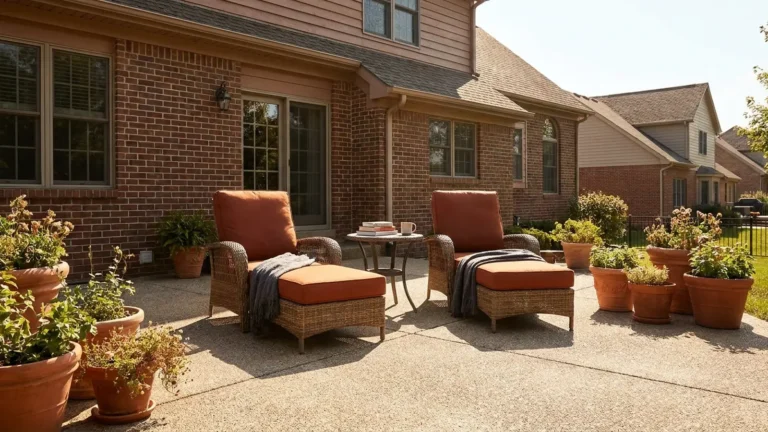
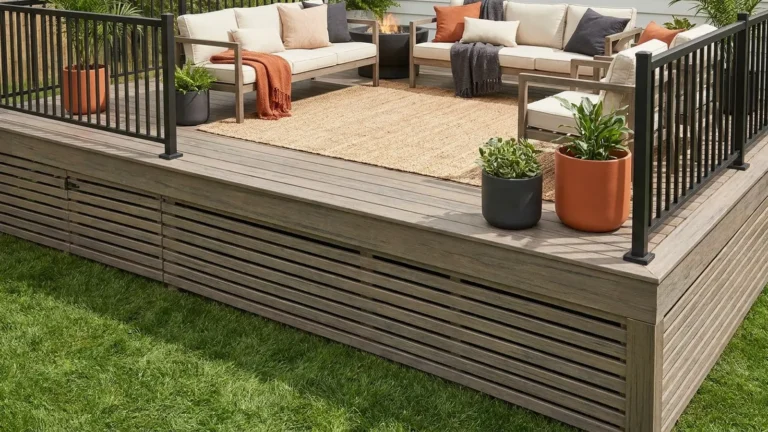
If you’re still dreaming up the full yard, see how a fence works with deck skirting ideas and a concrete patio next to it. A cedar fence is a long-term commitment, so which part of yours will you strengthen first?