Plenum HVAC Explained: What It Does and What a Fix Should Cost
Say a homeowner gets a furnace quote with one line item that reads "replace plenum, $3,000." Another contractor quotes $7,000 for what sounds like the same job. One of them must be padding the bill, right? Not necessarily. And that question is exactly why plenum hvac confuses so many people.
The plenum is the plain sheet-metal box bolted to your furnace or air handler. It decides how evenly air reaches every room, which makes it an easy scapegoat for hot and cold spots. Here’s the twist most guides skip: in a plenum hvac complaint, the box is rarely the part that actually failed.
This guide is one piece of the bigger systems picture, alongside fixing leaky or damaged ductwork. You’ll learn what a plenum is, how to spot real trouble, what a fair price looks like, and how to read a quote without getting lost.
Executive Summary
You’ll finish this article able to name the plenum on your own system, tell a cosmetic problem from a real one, and judge whether a quote covers a simple swap or a full redesign. Three ideas carry most of the weight.
First, a plenum is a distribution box, not a duct run. Supply plenums push conditioned air out, return plenums pull house air back in. Second, comfort complaints usually trace to leaks, sizing or a starved return, so replacing the box alone often fixes nothing. Third, price gaps between quotes usually come from scope. A $3,000 bid and a $7,000 bid can both be honest if one swaps a box and the other rebuilds the trunk lines.
The biggest objection is "can’t I just do it myself?" Partly yes. Sealing visible seams is fair game. Building or resizing a plenum is a pro job, and anything touching a gas furnace needs a licensed technician.
What Is a Plenum HVAC Part, and Which Kind Do You Have?
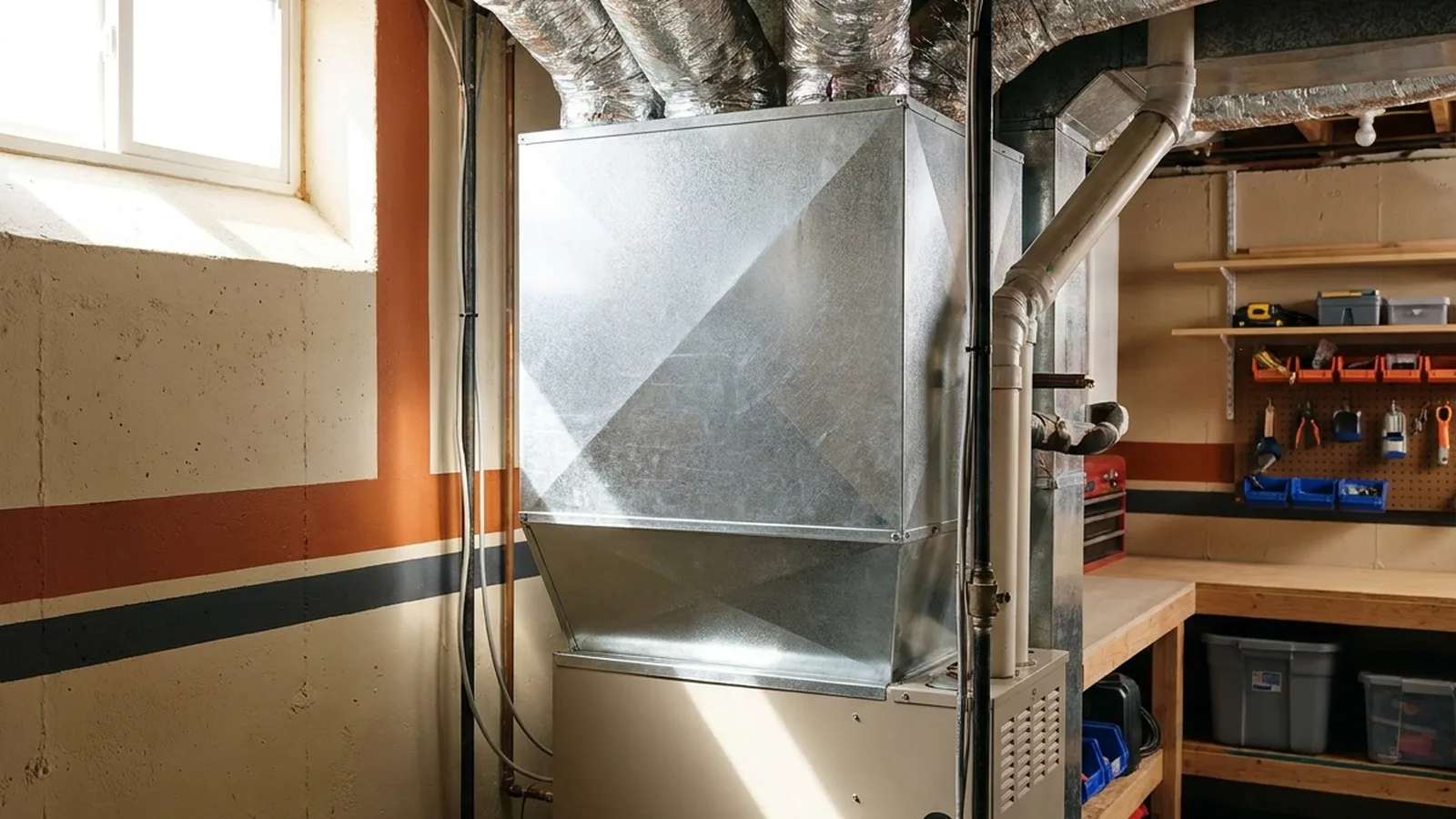
A plenum is a sheet-metal or duct-board box that connects your furnace or air handler to the ductwork. It acts like a lobby where air gathers before it spreads into many ducts. Most homes have a supply plenum on the outlet side and a return plenum on the intake side. Commercial buildings use the same word differently, for ceiling cavities.
That second meaning trips people up. "Plenum-rated cable" and "plenum ceiling" refer to the air space above an office drop ceiling, not the box on your furnace. No, I won’t pretend the naming makes sense.
In a house, the quick test is simple. Find the furnace, follow the large metal box off the top or side, and that’s likely your supply plenum. Many furnaces also include a cased evaporator coil sitting between the furnace and that box, so the plenum may start above the coil.
Supply Plenum vs Return Plenum: Where Does Each Sit?
The supply plenum carries heated or cooled air away from the equipment into the main ducts. The return plenum, or return drop, brings air from the house back to the equipment through a filter. On an upflow furnace the supply sits on top. On a downflow furnace it sits underneath, and a horizontal unit puts it at one end.
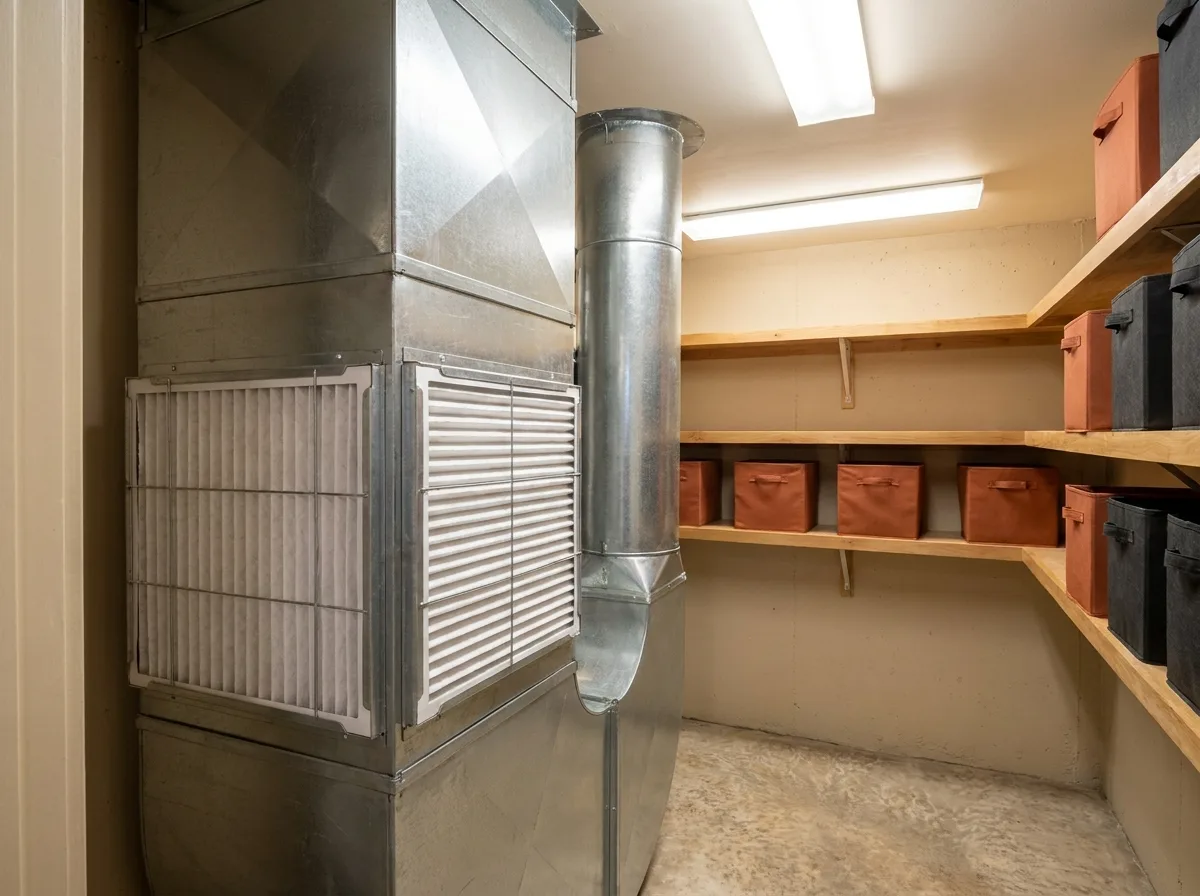
Supply is the exhale, return is the inhale. A plenum hvac system that can’t inhale properly won’t exhale well either.
Typical layout details to check on any plenum hvac setup:
- Supply plenum: often larger, usually insulated or wrapped, and connected to a main trunk line with smaller takeoffs for each room.
- Return plenum: often attached to a filter rack and a wide return duct from a hallway or basement.
- Plenum vs ductwork: the plenum is the box, ductwork is every branch and trunk after it. So yes, the plenum is technically part of the duct system, but it’s the one piece that attaches directly to the equipment.
What Are the Signs of a Failing Plenum HVAC Setup?
Look for hot and cold rooms, whistling or rattling from the equipment, visible rust or water stains, dust blowing from vents and air that smells musty. Any of these can point to a leaky, sweating, undersized or poorly built plenum. They can also point to ducts, filters or a blower problem, so confirm before you spend.
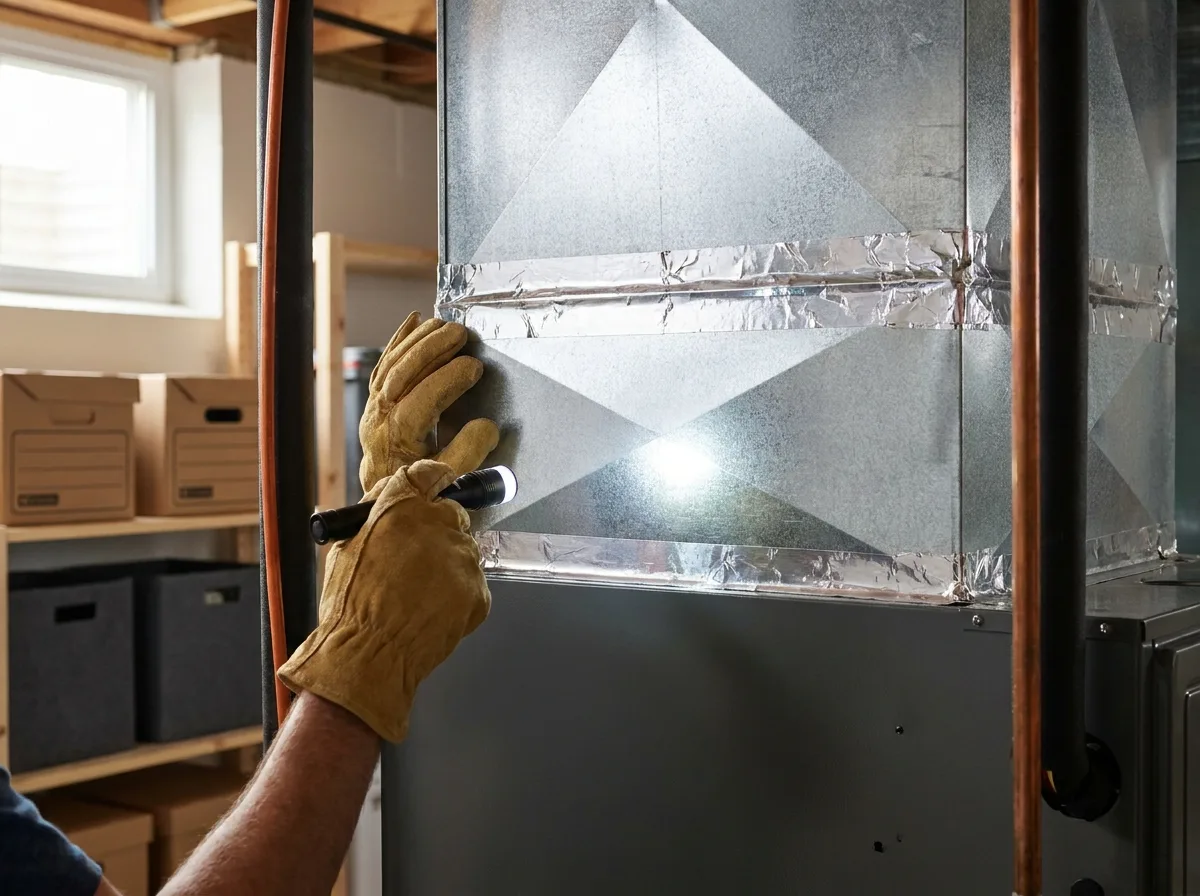
A common version of this mistake: the back bedroom never warms up, a salesperson blames a "too small" plenum, and the new box changes nothing. The real culprit was a disconnected attic branch duct, something a mastic patch would have fixed.
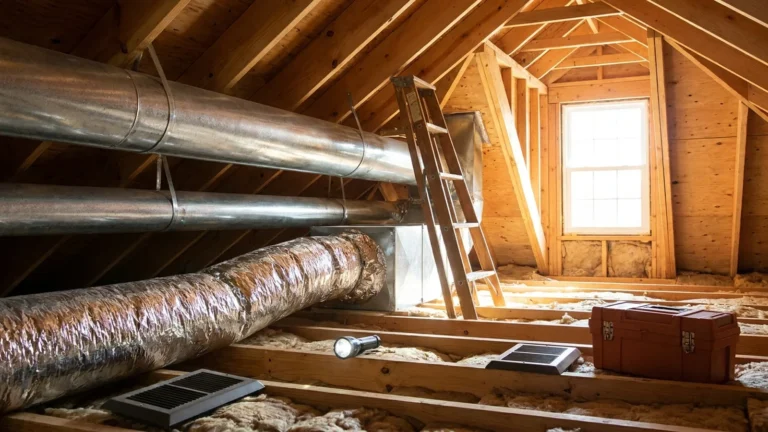
Sweating deserves special attention. Condensation on a plenum hvac box usually means cold air meeting a warm, humid space with thin or missing insulation. Rust follows moisture. If you see either, check the insulation and any nearby leaks first, because a plenum that sweats is telling you something about the whole system. If you suspect the ducts, check them before you buy a new box.
How Much Does a Plenum HVAC Fix Cost?
Costs vary widely by region, size, material and how much ductwork the job touches. Some contractors quote roughly $150 to $400 for sealing or patching, $400 to $1,200 for a like-for-like replacement and $1,500 to $3,500 for a redesign with new transitions. Treat these as typical ranges, not promises, and always compare scope.
Those figures come from contractor-side pricing guides, so treat them as a sanity check. Labor and attic access move the total more than the box itself.
The plenum also matters for your energy bills. ENERGY STAR says typical duct systems leak 20 to 30 percent of the air moving through them, and a leaky plenum seam is one of the easy places for that to happen. Sealing is often cheaper than replacing. Have the system inspected once a year.
| Job type | Typical range | What drives the price |
|---|---|---|
| Stock plenum part | $50 to $300 | Size, material, supplier access |
| Custom shop-made plenum | $150 to $600 | Exact dimensions, gauge, collars |
| Seal or patch seams | $150 to $400 | Number of leaks, access |
| Like-for-like replacement | $400 to $1,200 | Labor, removing the old box |
| Redesign with new transitions | $1,500 to $3,500 | Duct changes, sizing, insulation |
Note that the so-called $5,000 rule is a rule of thumb for whole-system repair vs replacement, not a plenum price tag.
Patch, Replace or Redesign: Which Fix Fits Your Symptom?
Patch when the box is sound and the problem is a leak or loose seam. Replace like-for-like when the metal is rusted through, crushed or badly built. Redesign when the box doesn’t match the equipment, such as after a furnace or coil swap changed the airflow. The symptom tells you which path to take.
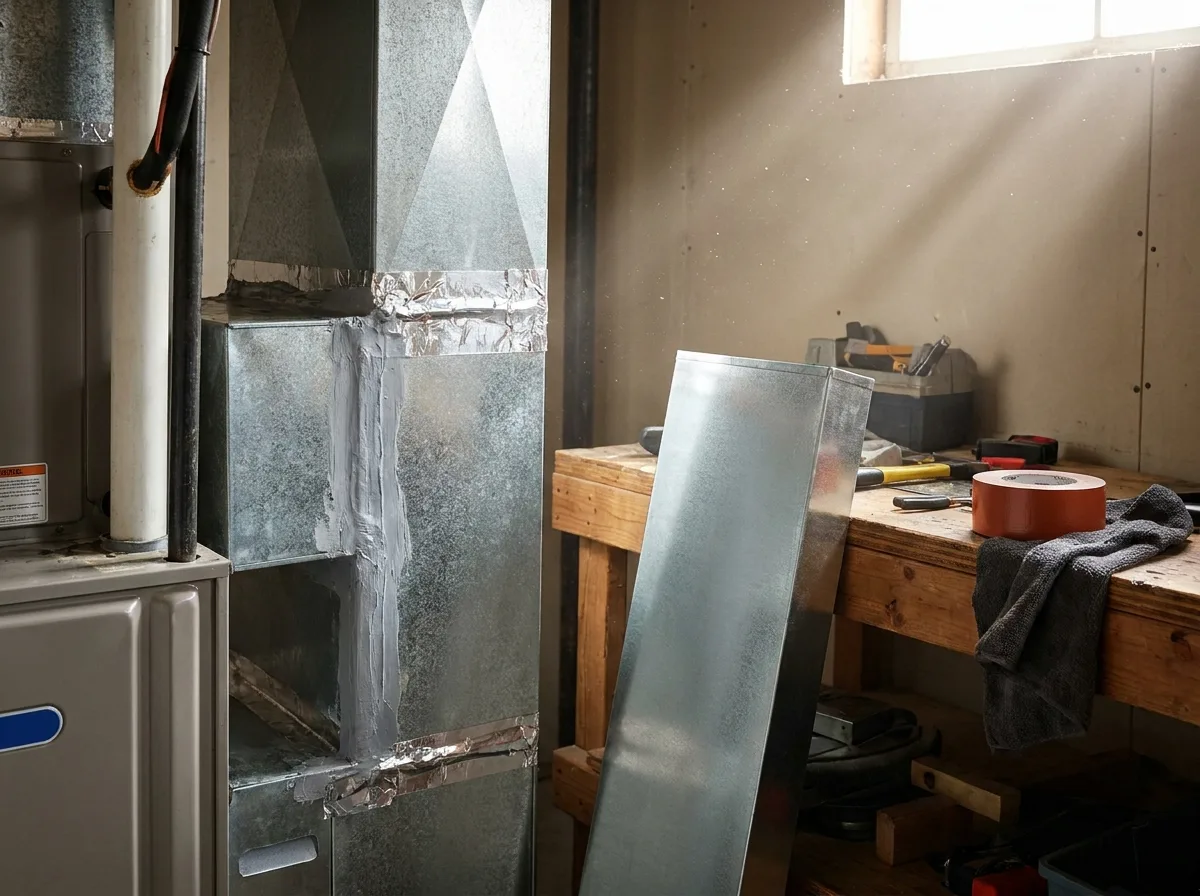
A simple decision rule:
| Symptom | Likely fix |
|---|---|
| Whistling at a visible seam, dust from gaps | Patch with mastic or foil tape |
| Rust holes, dents, sweating from damaged insulation | Replace like-for-like |
| Noise or weak airflow right after new equipment | Redesign, check static pressure |
| One room never comfortable, plenum looks fine | Look at ducts and returns first |
Static pressure is the resistance air meets in the system. If a new furnace moves more air than the old plenum was built for, the blower works harder. That’s why a mismatched plenum hvac box after a furnace swap is a design problem, not a patch problem. Planning a swap? See what a furnace replacement involves before you sign anything.
How Do You Read a Plenum or Ductwork Quote?
Ask for an itemized quote that names the parts, the material, the insulation level and what’s included, such as new transitions, sealing, removal and permits. Two quotes with very different totals usually cover different scope, so compare line items before judging price.
Take one plenum hvac comparison that a homeowner thread described. A $3,000 quote for ductwork in a small one-story house reads like a new supply plenum plus flexible duct in the attic. A $7,000 quote reads like full sheet-metal trunks and branches. Same house, different job. Neither is automatically a rip-off.
Ask whether the bid is one box or the whole system, whether insulation is R6 or R8, whether leaks are sealed with mastic and whether anyone checks airflow afterward. If a bid can’t answer, keep shopping. Three quotes is standard advice for a reason.
Can You DIY a Plenum HVAC Job, and Why Do Supply Houses Say No?
You can seal visible seams yourself, and ENERGY STAR advises homeowners to seal accessible leaks with mastic or foil tape. Building, resizing or swapping a plenum is better left to a licensed pro, especially on gas furnaces. Many supply houses won’t sell parts to the public, so a DIY order often gets refused.
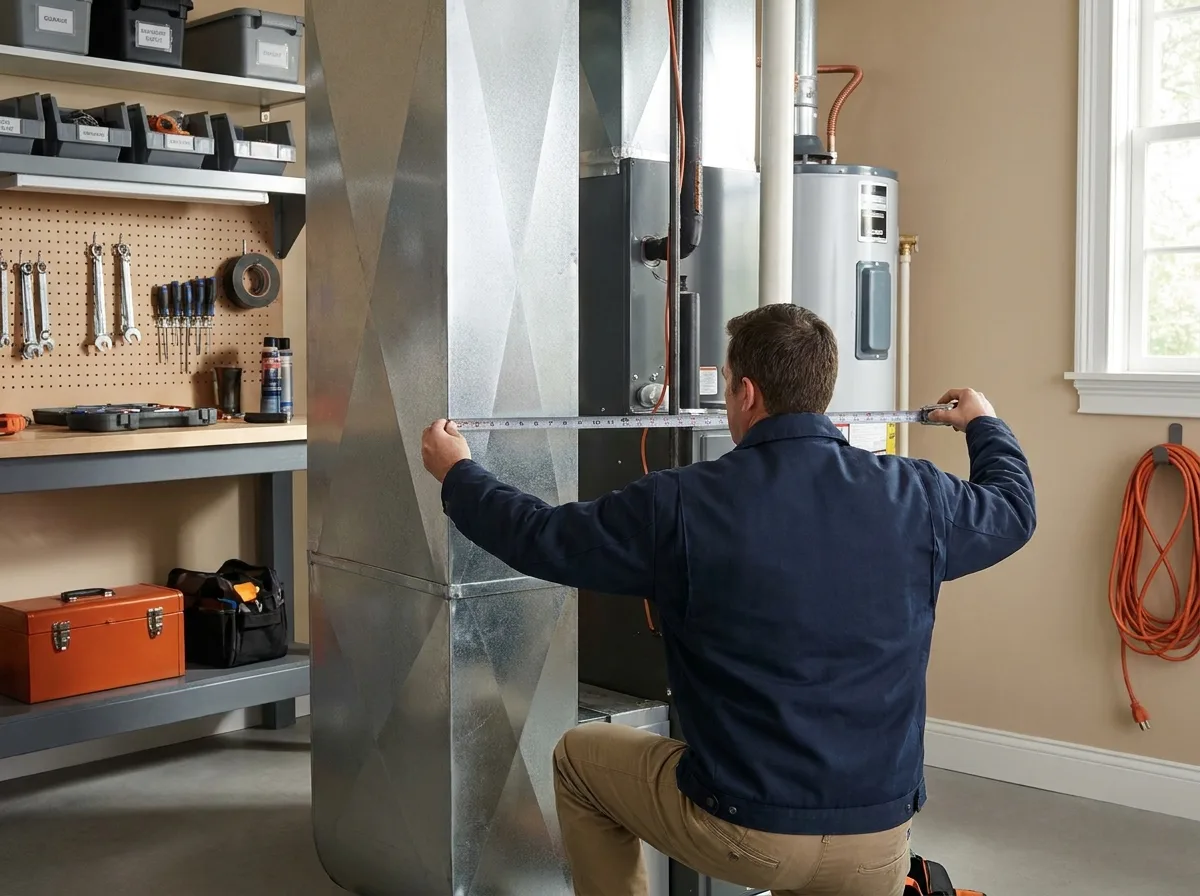
Homeowner threads show people refused at several suppliers, since many shops now sell only to licensed contractors to avoid returns and liability. It’s "just sheet metal," as one camp argues, until seams leak or static pressure climbs.
A fair middle path: order a custom plenum from an online sheet-metal shop if you have exact dimensions and a pro installs it, or ask your contractor for the part cost itemized. Anything involving the gas furnace, flue or electrical needs a licensed technician, and local rules vary.
What Do Codes Say About Plenums?
Codes treat plenums as part of an air system where fire and smoke matter. The International Mechanical Code, Section 602, limits what materials can sit inside plenums, including flame spread and smoke limits for foam plastics. NFPA 90A is the other standard commonly named. Local codes differ, so ask your building department.
For a typical home with plenum hvac, you don’t need to memorize either one. Approved materials and a tight build are expected, and some towns require a permit for the replacement. Ask your building department directly.
Why Does the Return Side Cause So Many Problems?
A starved return pulls air through gaps, creates negative pressure and strains the blower. In a basement or closet with a closed door, that pressure can draw combustion gases back toward a gas furnace. Returns need enough open area, and anything involving gas appliances needs a licensed professional.
Say a basement air handler has a return, but someone closes the door to cut noise. The room now runs under negative pressure. That’s an airflow problem and, near a gas appliance, a safety one.
Also watch stud-cavity returns, where walls act as ducts. They leak easily and some local codes restrict them, so ask your building department. Keep filters clean and grilles unblocked.
Frequently Asked Questions
Is a plenum part of the ductwork?
Yes, plenum hvac is part of the duct system, but it’s the piece that attaches directly to the furnace or air handler. The plenum collects or distributes air, while the trunk lines, branches and takeoffs carry it to each room. Think of the plenum as the hub and the ducts as the spokes. Problems with either affect comfort, so inspect both together.
Why is my plenum sweating?
Sweating usually means cold surfaces meet warm, humid air, and the insulation is thin, wet or missing. It’s common on cooling systems in humid attics or basements. Dry the area, add proper insulation and seal leaks. Persistent moisture can lead to rust or mold, so have a pro check it.
Is it normal for the supply plenum to get hot?
Yes, during heating it will feel warm or hot, since it carries heated air. Extremely hot metal, a burning smell or scorching is not normal and may signal restricted airflow or a failing heat exchanger. Shut the system off and call a licensed technician, since codes and equipment vary.
Can I mount a humidifier or air cleaner on the plenum?
Often yes, because many whole-house humidifiers and air cleaners are designed to attach there. It involves cutting sheet metal, plumbing or wiring, so follow the product instructions and local code. Poor placement can cause leaks or airflow loss. A licensed technician is the safer option for anything electrical.
Can I replace a plenum myself?
You can technically, but I wouldn’t on a gas furnace. Sizing, sealing, clearances and flue safety all matter, and mistakes cost more than the labor saved. A good compromise is to handle accessible sealing yourself and let a pro swap the box. If the real issue is leaky ducts, start with how to repair damaged ductwork instead.
What does "plenum" mean on cables and ceilings?
In commercial buildings, plenum means the air space above a ceiling or below a raised floor. Plenum-rated cable has a fire-resistant jacket for those spaces under electrical codes. It has nothing to do with the furnace box, which is why searching the word online gives mixed results. Electrical work should follow local code and a licensed electrician’s advice.
Does an upflow furnace need a floor plenum?
No. An upflow furnace sends air out the top, so the supply plenum sits above it. A downflow furnace pushes air down, which is where a floor-level plenum or base comes in. Myth buster: any box that fits is fine. It isn’t, because the dimensions must match the equipment’s airflow.
Can I use flex duct as a plenum?
Not as a substitute for the plenum itself. Flexible duct is useful for branch runs, but the plenum needs rigid, properly sealed construction that handles the equipment’s airflow and temperature. Some systems use duct board, which is a different approved material. Follow local code and ask a pro what your equipment requires.
How long does a plenum last?
There’s no fixed lifespan. A well-built, sealed and insulated sheet-metal plenum can outlast several furnaces, while moisture, rust or poor installation shorten its life. Check it each year for rust, loose seams and damp insulation. Leaky ducts waste 20 to 30 percent of air, according to ENERGY STAR, so a quick look pays off.
Do I need a permit to replace one?
It depends on where you live, and local codes vary. Some jurisdictions require a mechanical permit for duct or equipment changes, while others skip it for like-for-like work. Check with your local building department before hiring, and ask what inspection follows the work. Your contractor should know the local rules and handle any permit filing, so ask about it in the quote.
Conclusion
The big lesson is simple. A plenum is a hub, not usually the villain, so read the symptom before buying the fix. Patch leaks, replace damaged metal, and redesign only when new equipment changed the airflow. Hold every plenum hvac quote to the same scope question.
Back to that $3,000 and $7,000 quote from the start. They may both be fair. The difference is likely scope, and now you know how to ask. Your next step: sit with your quote, write down which parts are included, and request an itemized breakdown. If you still want to learn more, read about what a new furnace project involves. So what’s the one room in your house that never feels right, and could the plenum really be to blame?