Storage Bed Guide: Pick the Style You Will Actually Open

Say you buy a storage bed because the photos show neat drawers full of folded sweaters. Six months later the left drawer is blocked by a nightstand, the right one catches your toe every morning, and the whole frame creaks when you roll over. The storage is technically there. You just never use it.
People shop for looks and capacity, then discover that access decides whether a storage bed earns its floor space.
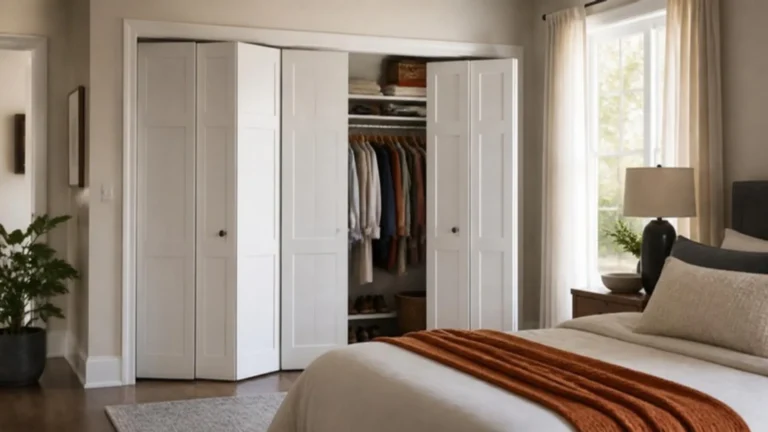
We’ll pick the style by how you will open it and how much room sits around the bed. It’s one piece of bedroom storage planning, alongside smarter closet door choices.
Executive Summary
A good storage bed works best as a second dresser or a replacement for stacked bins, and only if the opening style matches your room and your habits. Drawer beds suit everyday items like linens and pajamas, lift-up beds suit bulky, rarely used things like luggage and off-season bedding, and neither works well in a tight room without measuring first.
Below you’ll find a type comparison, the clearance to measure before you order, what never belongs under a mattress, why these beds squeak, and a ten-minute checklist.
The biggest objection is "won’t it be cheap and flimsy?" Not necessarily, and the myth is busted in the FAQ. The frame is rarely the weak point. Moving parts are, so that’s where your budget should go.
What Is a Storage Bed and Who Actually Needs One?
A storage bed is a bed frame with built-in space for belongings, usually drawers, a lift-up platform, an ottoman-style base or a storage headboard. It makes sense when you lack closet or dresser space, share a small room, or need somewhere to hide bulky seasonal items without paying for another piece of furniture.
You are the ideal buyer if you live in a rental with one skinny closet or a guest room that doubles as an office. You are not if you have a walk-in closet and only want a prettier frame.
A storage bed is a great second dresser and a poor first one.
What Are the Main Types of Storage Bed?
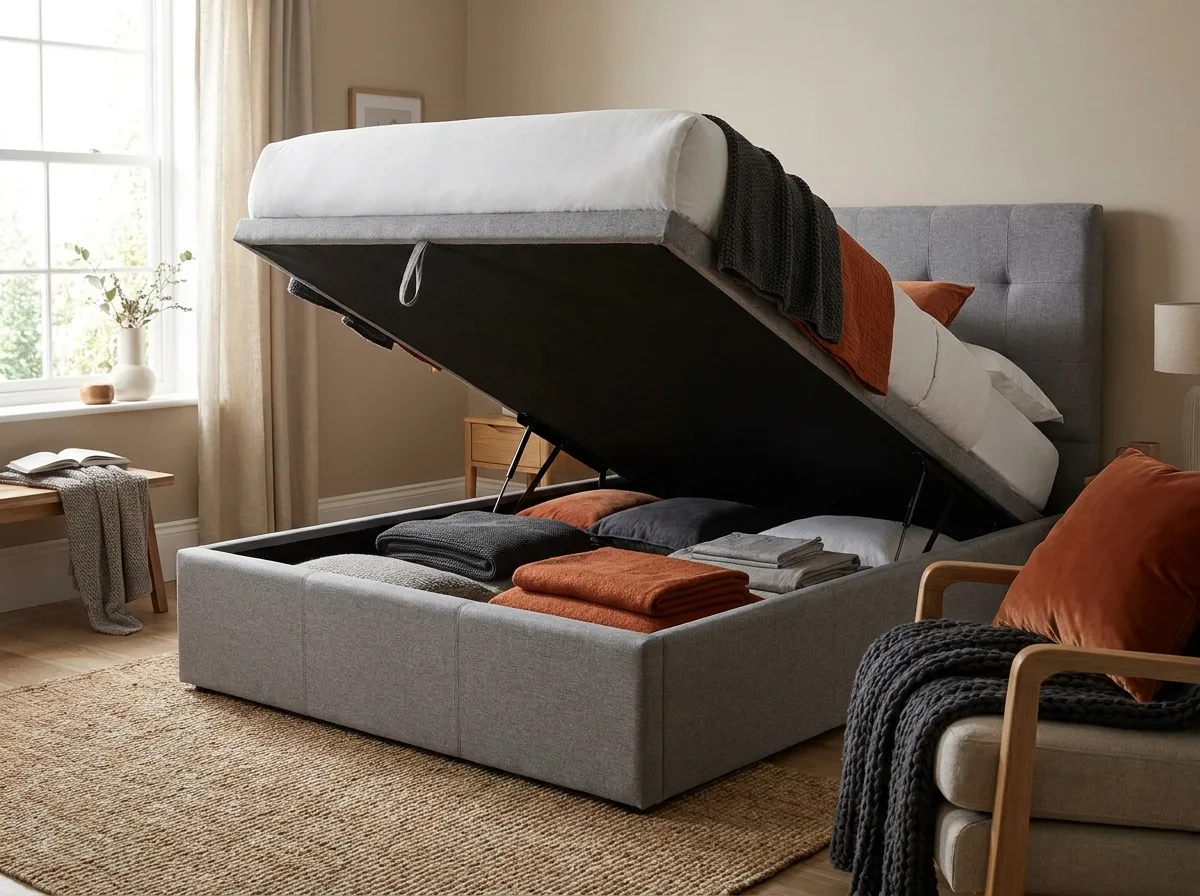
The main types are drawer beds, lift-up (hydraulic) beds, ottoman beds, storage headboards, bookcase beds and daybeds with drawers. They differ mostly in how you reach the space. Drawers pull out from the side or foot, while lift-up designs raise the whole mattress platform on gas struts, which are small pressurized pistons.
| Type | How it opens | Best for | Watch out for |
|---|---|---|---|
| Drawer bed | Drawers slide out | Linens, pajamas, daily items | Needs floor clearance, drawers can be shallow |
| Lift-up (hydraulic) | Platform tilts up | Luggage, duvets, bulky items | Two-person build, mattress weight limits |
| Ottoman bed | Lift-up, often from the foot | Bulk storage in one big space | Lifting with a heavy mattress |
| Storage headboard | Shelves or a hidden compartment | Books, glasses, chargers | Small capacity |
| Bookcase bed | Open cubbies at the head | Display plus small items | Dust, no closed storage |
| Daybed with drawers | Drawers under a twin or full | Guest rooms, teens | Narrow sleeping surface |
Judged by what each design asks of you every time you open it, using homeowner threads and retailer FAQs from IKEA, Ashley and Castlery.
Drawer or Lift-Up: Which Is Better for You?
Pick drawers if you’ll open the storage often and keep small items. Pick lift-up if you’ll open it rarely and store bulky things. Drawers are easier to reach but need floor space around the bed. Lift-up uses the full footprint but means moving the mattress, so it suits seasonal storage better than daily use.
Drawers let you open only the section you need without disturbing a sleeping partner. Lift-up beds raise the entire mattress, which gets old fast if your pajamas live underneath.
- Daily access to clothes or linens: drawers
- Luggage, winter bedding, camping gear: lift-up
- Shared bed where one person wakes early: drawers
- Very small room with no space beside the bed: lift-up from the foot, if the foot has clearance
A common mistake: someone buys a lift-up queen for everyday sweaters, dreads the heave every morning and ends up with clothes on a chair. A drawer bed would have fit better.
How Much Clearance Does a Storage Bed Need?
Plan for at least the full depth of a drawer in open floor space beside or at the foot of the bed, plus room to stand or kneel. Lift-up beds need clear wall space behind the lifted platform. Always check the manufacturer’s listed dimensions, because drawer depth and lift angle vary by model.
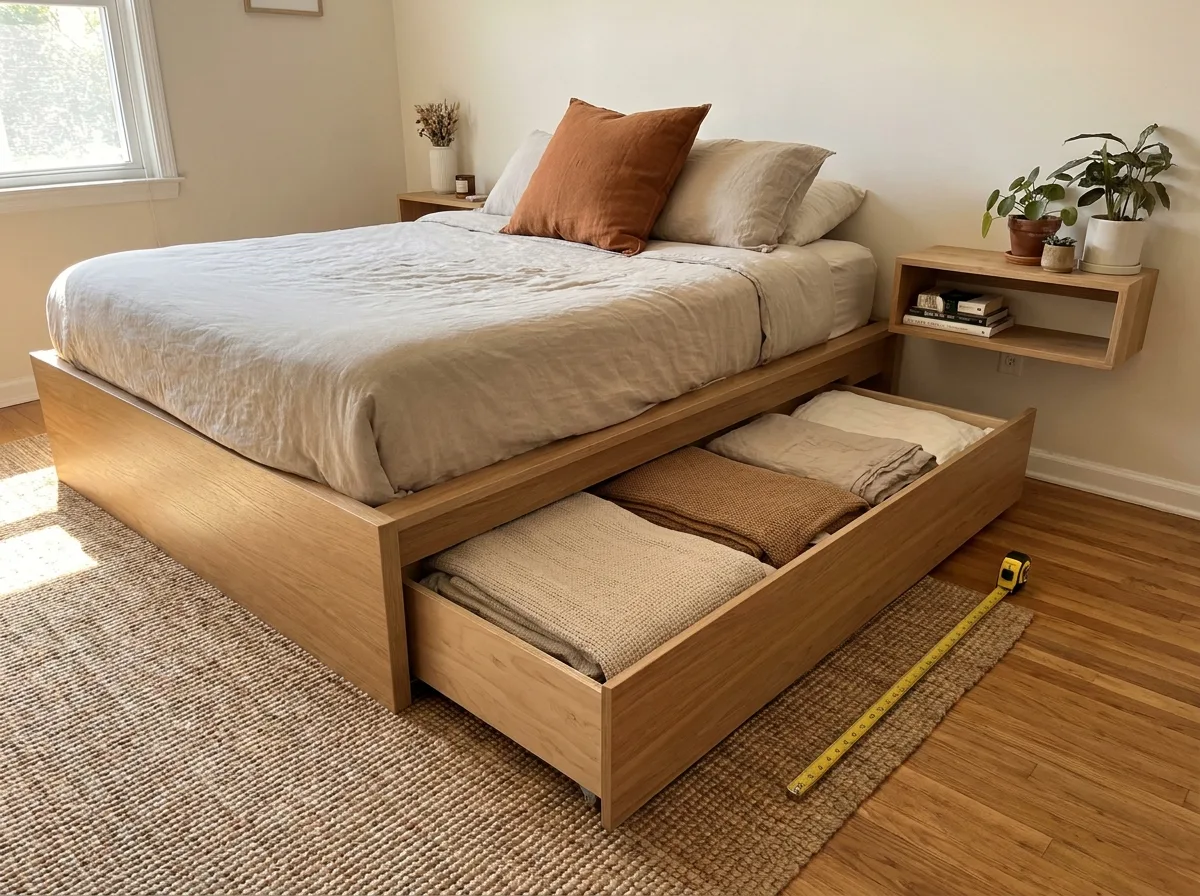
Most product pages skip this. Grab a tape measure and check four spots before you order:
- The nightstand zone. A bedside table can block the head-end drawer completely. Choose a wall-mounted shelf or put the drawers at the foot.
- The foot side. Open drawers are a toe magnet. Leave enough room to walk past them.
- The wall side. If the bed sits against a wall, that side’s drawers are decoration. Count only accessible drawers.
- Bed height. See the next section.
What Size and Height Should You Choose?
Match the mattress size to the room first, then choose a height you can reach comfortably. A queen or full drawer bed needs more side clearance than a twin. Low frames make kneeling for drawers hard on knees, while taller frames with deeper storage are friendlier if you can still sit and plant your feet.
What Should You Keep Underneath (and How Do You Clean It)?
Keep clean, dry, breathable items like bedding, off-season clothes, pajamas and spare pillows. Sheets and luggage are ideal, shoes and toys need a lidded bin, and you should skip anything damp, food, paper you care about, delicate leather and anything that attracts pests. Stored in sealed bags or lidded bins, belongings stay cleaner, and an unmoving bed still needs regular vacuuming around it.

Castlery notes that storage beds can develop mold when conditions allow, which is a polite way of saying: don’t store anything that isn’t fully dry. If a room is humid, add a dehumidifier and leave a little breathing space.
Pull drawers out twice a year and vacuum the tracks and floor beneath, or lift the platform and wipe the interior.
Which Styles and Materials Look Good and Last?
Solid wood and plywood frames last longest, while MDF or particleboard saves money but handles moves and moisture poorly. Upholstered frames soften a room and feel hotel-like, while painted or slatted frames suit modern or farmhouse rooms. Match the look to the room, but spend on the hardware.
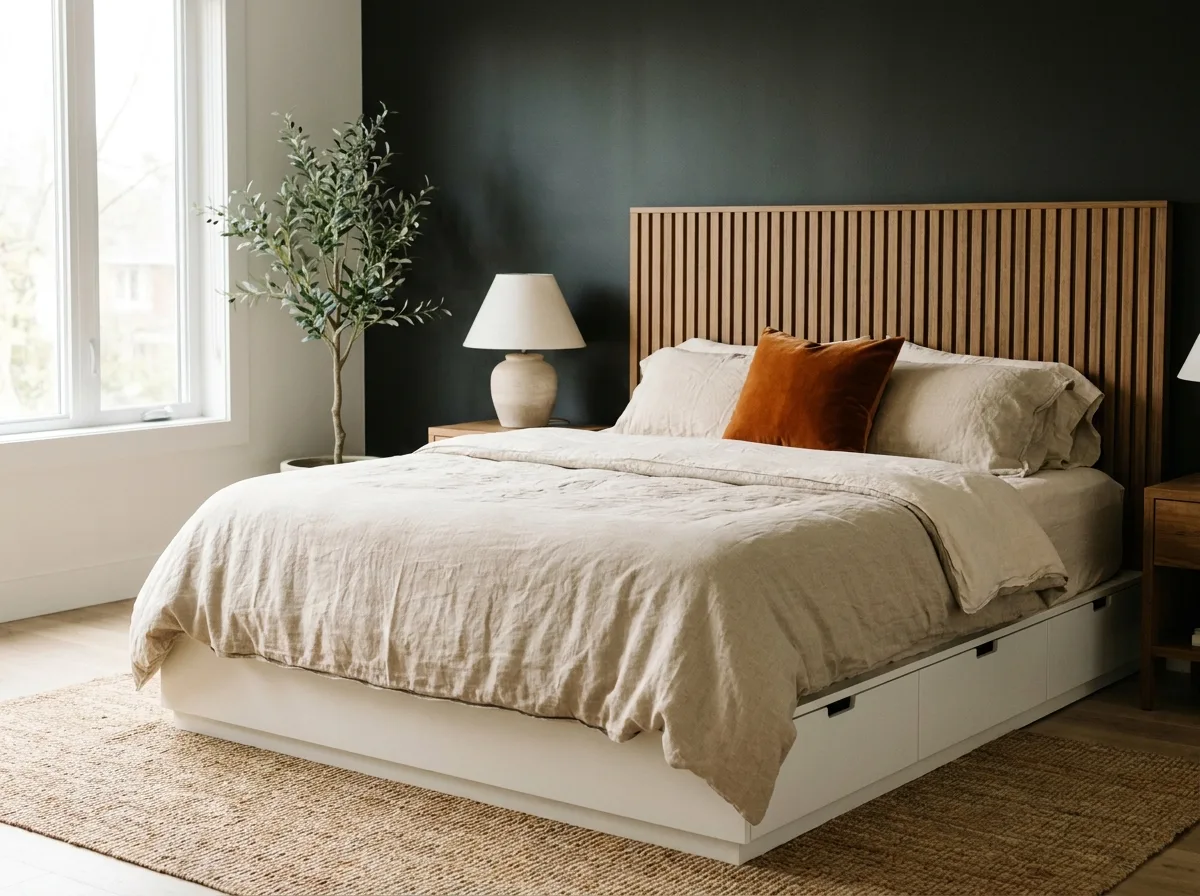
MDF suits a stable home and solid wood suits repeated moves. IKEA’s MALM and SONGESAND lines are common starting points, and any brand is best judged by its drawer hardware, not its logo.
How Much Does a Storage Bed Cost in the US?
Most storage beds run about $200 to $2,000 for a queen, according to Architectural Digest’s tested roundup, while retail category pages show tiers from under $500 to over $3,000. The price drivers are frame material, mechanism quality, upholstery and how easy delivery and assembly turn out to be.
Budget tip: if the budget is tight, spend on the mechanism and not on the headboard. A fancy headboard does nothing when a drawer jams.
Are They Durable, and Why Do Some Squeak?
Storage beds can be as strong as ordinary frames, but the moving parts wear first. Drawer slides loosen, hinges bend and gas struts weaken, especially with daily use. Squeaks usually come from loose bolts, thin hinges or joints that flex, so tighten the hardware, add felt pads and check the listed weight limits.
Say a couple buys a budget drawer bed and moves it three times in five years. By the third move the slides are loose and the frame creaks. They tighten every bolt, add a support leg under a center rail and wax the slides. It quiets down, though the slides never feel new again.
Longevity checklist:
- Check the weight capacity for the frame and the lift mechanism. A heavy hybrid mattress can overload gas struts. Records and other dense loads count too, so see our guide to protecting heavy LPs with safer vinyl record storage for the weight logic.
- Look for ball-bearing slides, dovetail joints and full-extension drawers when you can.
Do You Need a Box Spring or a Special Mattress?
Usually no. Most storage beds are platform designs with slats or a solid base, so a box spring isn’t needed, and Ashley’s own FAQ says so. Check the slat spacing your mattress maker requires, and remember that adjustable bases rarely pair well with lift-up or ottoman frames because they need flat, rigid support.
Small Apartments, Kids and Teens: Is It Better Than a Dresser Plus Bins?
A storage bed beats a dresser when floor space is tiny and the stuff is bulky. A plain bed plus lidded bins can win when you need flexibility, easy moving or cheap storage. Kids and teens like drawers, but trundles or loft designs may serve some rooms better, so compare all three before buying.
The winner for many renters is boring: a simple bed and two tight-lid bins that can be reused elsewhere. A storage bed wins when you want clean lines and everything in one footprint.
What Should You Check Before You Buy, and How Do You Assemble and Move One?
Measure the room, the doorway and the stairs, confirm weight limits, test the drawers or lift if you can, and ask about disassembly before you pay. Assembly often takes two people and a few hours. Plan on taking the bed apart for a move, and keep every bolt and bracket labeled and bagged.
Run this ten-minute checklist:
- Measure clearance at each side and the foot.
- Check bed height against your knees.
- Confirm the mattress size and weight limit.
- Look at drawer hardware and slats.
- Ask about return policy and assembly help.
- Read the delivery limits, since some brands ship only to select US areas.
For assembly, work on a rug to protect floors and tighten bolts again after a week. It’s the cheapest squeak fix there is.
Frequently Asked Questions
Do storage beds need a box spring?
No. Most storage beds are platform designs with slats or a solid base that support the mattress directly. A box spring would raise the bed too high and can block the lift or drawers. Check your mattress maker’s slat spacing rules, because foam mattresses often specify a maximum gap between slats, and confirm with the frame’s manual before you buy.
Can you use an adjustable base with a storage bed?
Rarely. Adjustable bases need a rigid, flat surface and very little clearance, and most drawer or lift-up frames don’t provide either. Some brands sell compatible versions, so ask before buying. If you want an adjustable base, a plain frame plus under-bed bins is usually the simpler route.
Do storage beds squeak?
Myth: storage beds are flimsy. Not necessarily, but some do squeak, mostly as the moving parts age. Loose bolts, thin hinges and flexing joints are the usual causes. Tightening hardware, adding felt pads and fitting a center support leg often fixes it. Cheap frames squeak sooner, so look at the hardware, not the headboard.
Can storage beds get mold?
They can if conditions allow. Castlery warns that closed storage may develop mold, usually where moisture and low airflow meet. Store only fully dry items, use a dehumidifier in damp rooms and avoid sealing everything tight. A slatted base lets air move, and a twice-yearly check of the space keeps small problems from growing.
What is a hydraulic storage bed?
It’s a lift-up bed that uses gas struts, small pressurized pistons, to raise the mattress platform so you can reach one big storage space beneath. Each strut has a rated weight range, so pick one matched to your mattress, because a heavy hybrid can overload it and make the lift hard to hold.
Are storage beds worth it?
Often yes in small rooms, and not always in large ones. They save a dresser’s footprint and hide bulky items, but they add moving parts and cost more than a basic frame. If you’d actually open the storage, they’re worth it. If not, skip the extra complexity.
How much weight can a lift-up bed hold?
It depends on the model. Architectural Digest listed one tested bed at 600 pounds for a queen and 800 for a king, but yours may differ by brand and size. Lift struts have a separate mattress weight range, and a heavy hybrid can overload them, so read both numbers in the manual before you buy.
Can you put a nightstand next to a storage bed?
Yes, but a nightstand may block the head-end drawers completely. Use a wall-mounted shelf, a slim stand or a drawer layout that puts the openings at the foot instead. Measure the open drawer’s depth first. For lift-up designs, keep the area behind the head clear so the platform can rise.
How hard is it to assemble a storage bed?
Plan on two people and a few hours for most models. Lift-up frames are heavier and trickier because of the struts. Lay out the parts first, label hardware as you go and keep the manual, since you’ll likely need it again at your next move. Tighten every bolt again after a week.
Is a storage bed safe for kids and pets?
It can be if you choose well. Drawers and lift platforms create pinch points, so look for safety barriers or slow-closing struts and keep pets away while open. Never let children play on or inside the mechanism. Always follow the maker’s instructions and weight limits.
Conclusion
The best storage bed isn’t the one with the most drawers. It’s the one you’ll open without sighing. Match the style to your habits: drawers for daily items, lift-up for bulk, and a plain bed with bins when flexibility matters more. Measure clearance, check the mechanism and keep damp things out.
That’s how a storage bed pays for its footprint instead of becoming an expensive headboard.
Your next step is simple. Grab a tape measure and map where each drawer or lift would open in your room. If you’re pairing this with other bedroom storage, our guide to protecting heavy LPs with safer vinyl record storage shows how to think about weight and floor space.
So which will it be: the drawer you’ll open daily, or the big lift you’ll open twice a year?