
Bathroom Remodel Cost, Timeline, and the Mistakes Nobody Warns You About (2026 Guide)
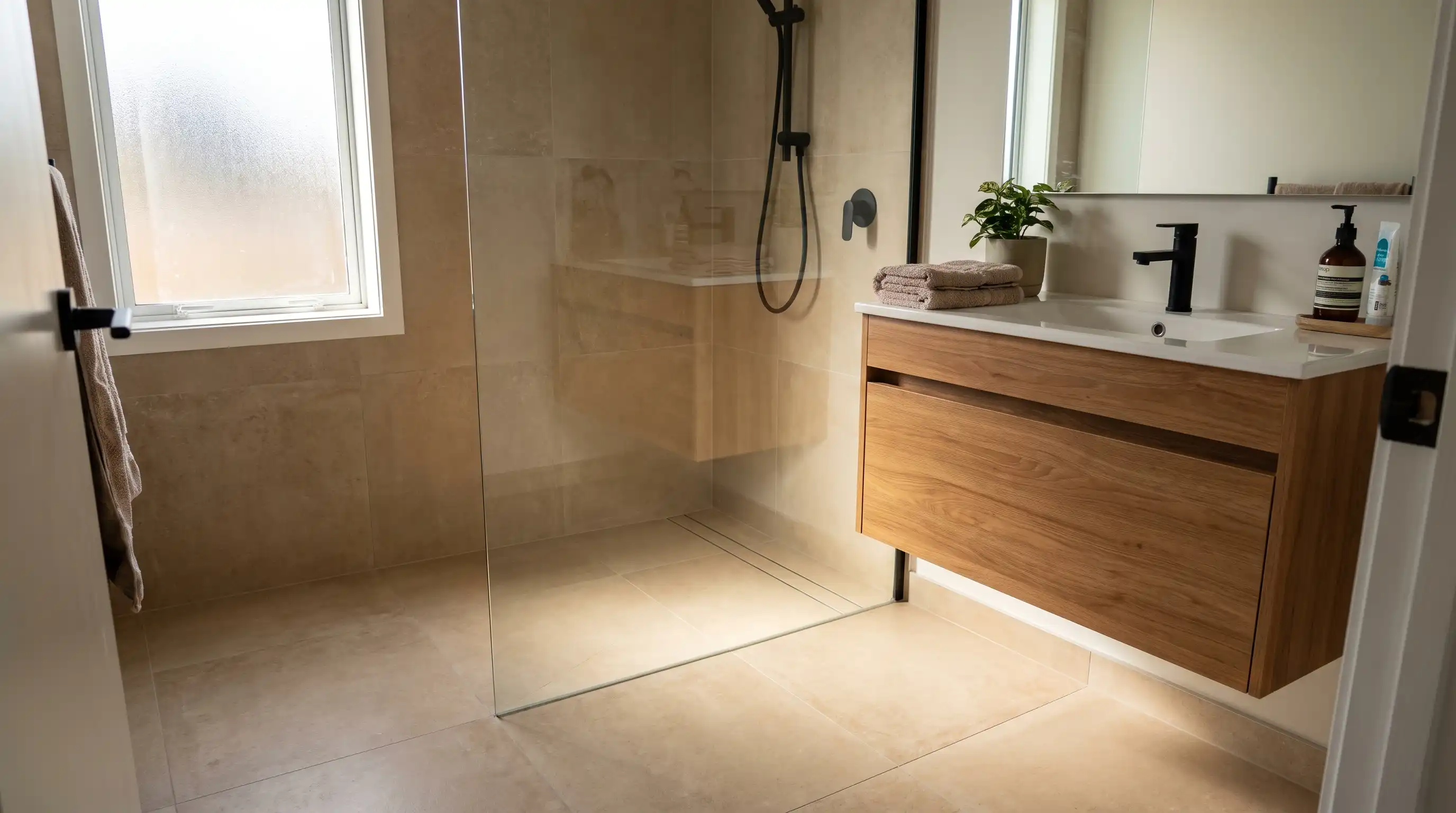
Three homeowners get quotes for the exact same bathroom remodel. Same square footage, same finishes, same house. One quote comes back at $58,000. Another comes back at $82,000. If that sounds made up, it isn’t. It’s a real spread that shows up constantly in renovation forums, and it’s the reason so many people freeze before they even start. A bathroom remodel is one of the most requested home improvement projects in the country, but it’s also one of the most confusing to budget for, because the “average cost” you see online rarely matches the number that lands in your inbox.
I’m Claire Whitman, and I write about home improvement projects the way I’d explain them to a friend standing in their gutted bathroom at 9pm wondering if they made a mistake. This guide skips the vague ranges and gets into what a bathroom remodel actually costs in 2026, how long it really takes, how contractors price the same job so differently, and where homeowners consistently lose money without realizing it.
What You’ll Get From This Guide
You’ll walk away knowing what a realistic 2026 budget looks like for a cosmetic refresh, a mid-range remodel, and a full gut renovation, plus what drives the biggest swings in price. You’ll see a week-by-week timeline so a six-week project doesn’t quietly turn into four months. You’ll learn why a suspiciously low bid is often the most expensive choice you can make, and where a genuine DIY project makes financial sense versus where it doesn’t. Along the way, we’ll flag the budget line almost every renovation guide skips, the one that catches nearly a third of homeowners off guard.
How Much Does a Bathroom Remodel Cost in 2026?
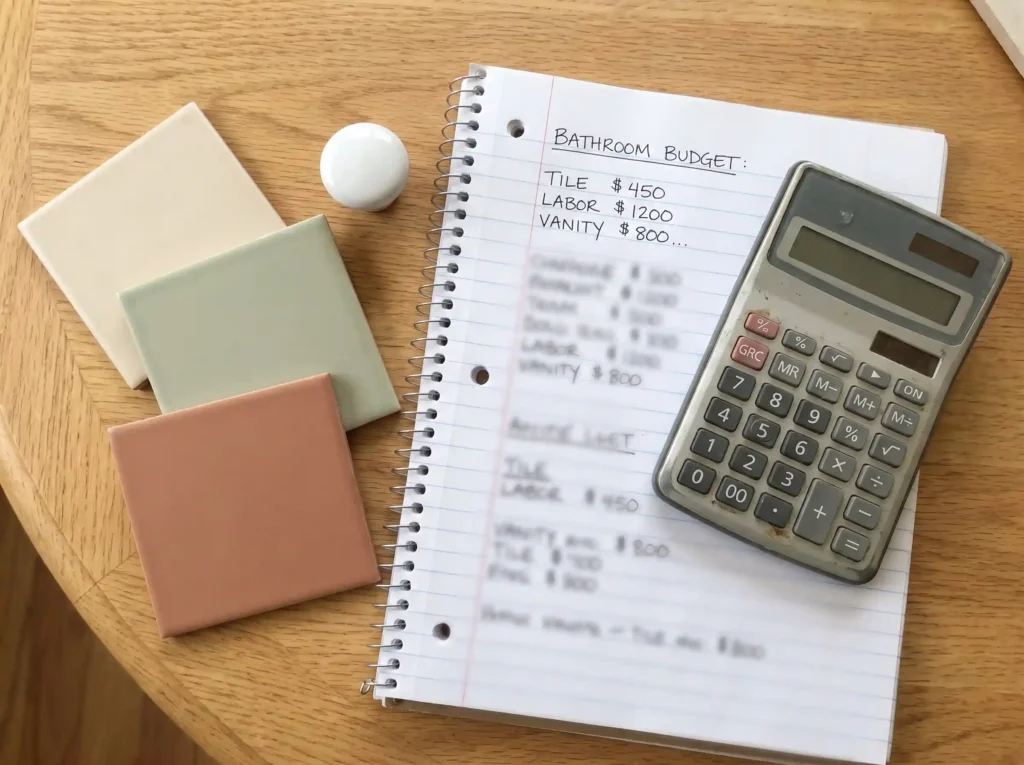
Most full bathroom remodels in 2026 land somewhere between $8,000 and $30,000, with a national average close to $15,500 to $16,500 for a mid-range project. That figure comes from This Old House’s 2026 survey of 1,000 homeowners who had recently completed a bathroom renovation, and it lines up with what you’ll see across most credible national sources. A purely cosmetic refresh, new vanity, new fixtures, fresh paint, and updated lighting, can start around $3,000 to $5,000. A full gut with a primary suite footprint, custom tile, and high-end fixtures can climb past $80,000.
Square footage matters less than most people assume. What actually pushes a project from $10,000 to $40,000 is whether plumbing gets moved, whether the shower or tub changes shape or location, and what tier of materials you choose for tile, countertops, and fixtures. A small powder room swap and a primary bath expansion aren’t the same project just because they’re both called a “remodel.”
| Project scope | Typical 2026 cost range |
|---|---|
| Cosmetic refresh (paint, vanity, fixtures) | $3,000 to $10,000 |
| Mid-range full remodel, same layout | $10,000 to $30,000 |
| Full gut with layout changes | $25,000 to $50,000+ |
| Luxury primary suite | $50,000 to $80,000+ |
Where the Money Actually Goes
Labor typically eats up 40% to 65% of a bathroom remodel budget. That covers demolition, plumbing, electrical, tile setting, and installation. Materials and fixtures make up the rest, and this is the part homeowners have the most control over. Choosing a mid-tier vanity instead of a custom one, or a quality porcelain tile instead of imported natural stone, can shift a budget by thousands without changing the bones of the project. A skilled-trades labor shortage, with a large share of contractors nationally reporting difficulty hiring qualified plumbers and electricians, is a big reason labor costs have stayed high in 2026 even where material prices have leveled off.
Small Bathroom Remodel Costs (and Why a Modern Small Bathroom Remodel Can Be the Smartest Money You Spend)
A small bathroom, generally under 50 square feet, typically runs $4,500 to $15,000 for a solid mid-range remodel, depending on finishes and whether plumbing moves. That’s a meaningfully lower ceiling than a full primary bath, which is part of why guest baths and powder rooms are often the first project people tackle.
A modern small bathroom remodel doesn’t need a bigger footprint to feel like a bigger upgrade. Wall-mounted vanities free up visible floor space and make the room read larger. Large-format floor tile with minimal grout lines does the same trick. A single oversized mirror instead of a small framed one bounces more light around a tight room, and a curbless or low-profile shower pan removes the visual barrier that makes small bathrooms feel chopped up. None of these choices require moving a wall, which is exactly why they stay on the lower end of that cost range. (We go much deeper on layout-specific ideas in our upcoming Small Bathroom Remodel Ideas guide.)
Why the Same Bathroom Remodel Can Cost $58,000 or $82,000
Here’s the uncomfortable truth: a wide quote spread on identical work isn’t always a scam, but it’s also not always legitimate. Some of that gap comes from genuine differences in materials, crew experience, and overhead. Some of it comes from contractors padding a bid because they sense a homeowner won’t push back. And every so often, the lowest bid is the one to worry about, not the highest.
A bid that comes in 15% to 25% below every other quote you’ve gotten, especially from a contractor with an otherwise solid reputation, deserves a direct question: what’s being cut to hit that number? Sometimes it’s a thinner warranty. Sometimes it’s a plan to “find” extra costs once demolition starts, through change orders that weren’t in the original scope. That’s the pattern behind one of the most common complaints in renovation forums: a fair-looking quote at signing, followed by $1,500 or more in surprise upcharges once the walls are already open.
Watch for the classic red flags too. A contractor who asks for full payment upfront, who only accepts cash, who can’t produce proof of license and insurance, or who’s essentially running the business out of a truck with no fixed address, is asking you to take on all the risk yourself. None of that guarantees a bad outcome, but it’s exactly the pattern that shows up right before things go wrong.
Finding Contractors for Your Bathroom Remodel Without Getting Burned
Get at least three itemized quotes for the same defined scope of work, not three vague ballpark numbers for “redo the bathroom.” Ask every contractor for their license number and current insurance certificate, and actually verify them rather than taking their word for it. Ask what happens if they find rot, mold, or outdated wiring behind the walls, since that’s the single most common source of mid-project cost increases. A contractor who answers that question clearly and specifically is usually more trustworthy than one who brushes it off with “we’ll figure it out.”
DIY Bathroom Remodel vs. Hiring a Pro: The Real Math
The appeal of a DIY bathroom remodel is obvious once you see the numbers side by side. Surveys comparing DIY and professionally installed projects of similar scope have found average cost gaps in the range of $2,500 for a DIY approach versus $6,300 or more for hiring it out. That’s a real gap, and for cosmetic work, painting, swapping a vanity, replacing a faucet, DIY genuinely makes sense for a reasonably handy homeowner.
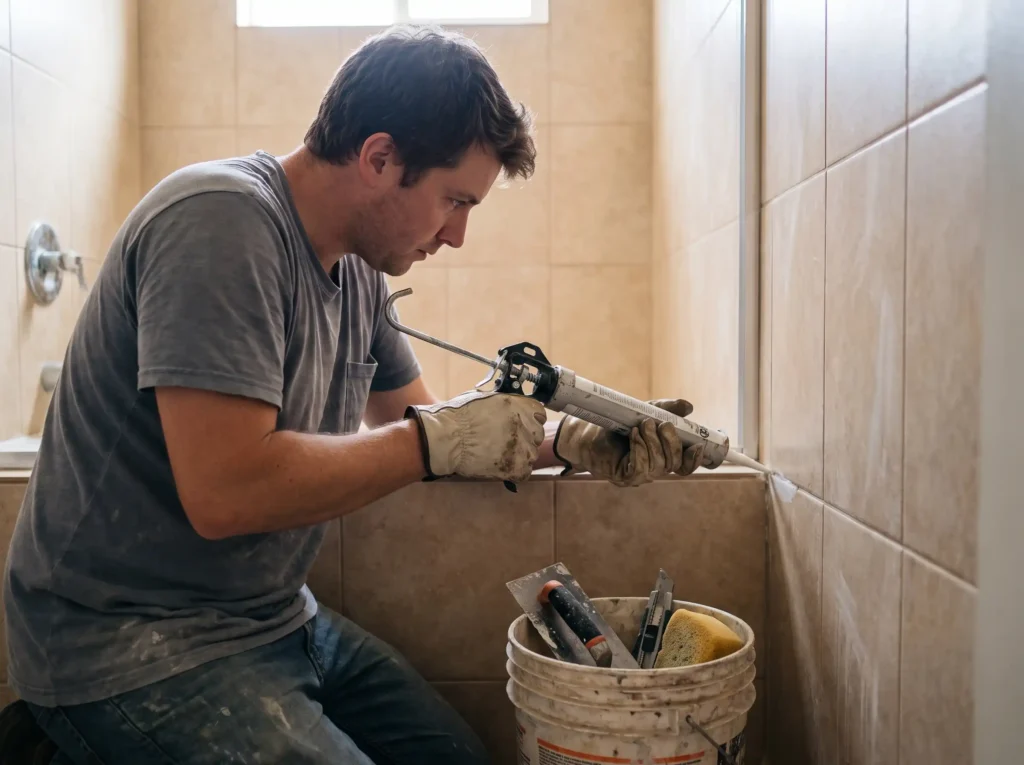
Where it gets risky is plumbing, electrical, and anything involving the shower pan or waterproofing membrane. A poorly sealed shower doesn’t fail on day one. It fails eighteen months later, quietly, behind the wall, and by the time you notice a soft spot in the subfloor or a stain on the ceiling below, you’re often looking at a much bigger repair than the original job would have cost. Stories like a $20,000 repair bill after a shortcut taken by an unlicensed contractor circulate constantly in home improvement communities, and the DIY version of that same mistake is just as expensive to undo. If you wouldn’t trust yourself to diagnose a failed inspection, that’s usually a sign to bring in a licensed pro for the wet work and save your DIY energy for the finishes.
How Long Does a Bathroom Remodel Take?
Timeline expectations cause almost as much frustration as cost does. A purely cosmetic refresh, no layout changes, no permits needed, typically wraps in two to four weeks. A full remodel that keeps the existing layout but replaces everything, new plumbing fixtures, new electrical, new tile, generally takes four to ten weeks of active work. Once you start moving walls, relocating plumbing, or expanding the footprint, permits and inspections stretch the total timeline to eight to sixteen weeks or more from first decision to final walkthrough.
| Project type | Realistic timeline |
|---|---|
| Cosmetic refresh, no layout change | 2 to 4 weeks |
| Full remodel, same layout | 4 to 10 weeks |
| Full gut with layout changes/permits | 8 to 16+ weeks |
Custom vanities and imported tile can carry lead times of four to eight weeks on their own, which is why ordering materials before demolition starts matters more than most first-time renovators realize. A single missed rough-in inspection can add another week while you wait for a re-inspection slot in a busy building department.
The Order of Operations: What Actually Happens During a Bathroom Remodel
A well-run bathroom remodel generally follows the same sequence, whether it’s a two-week refresh or a ten-week gut job.
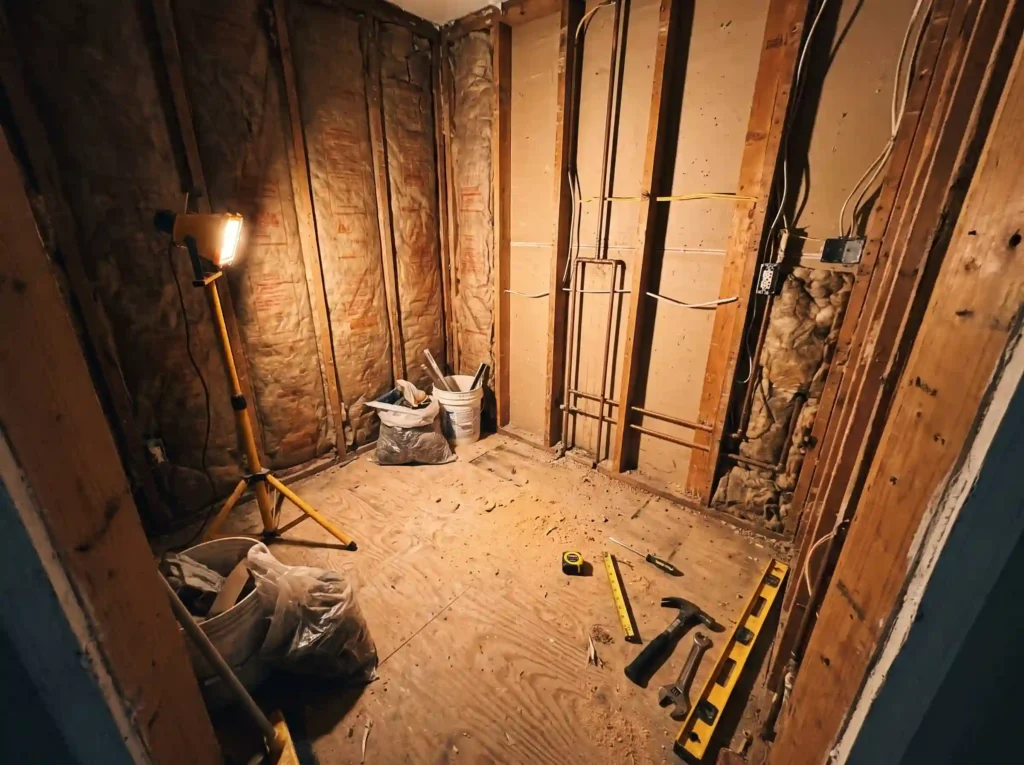
- Demolition of the old fixtures, tile, and, if needed, drywall down to the studs.
- Rough-in plumbing and electrical, moving or adding lines before anything gets closed up.
- Inspection of the rough-in work, required in most areas before walls can be closed.
- Insulation and drywall, followed by waterproofing in the shower or tub area.
- Tile work, floors first in most sequences, then walls and shower surround.
- Fixture installation, including the vanity, toilet, tub or shower, and lighting.
- Paint and trim, then a final punch list and inspection before the space is usable again.
Skipping steps or working out of order is where a lot of DIY and rushed professional jobs go wrong, especially tiling before the waterproofing has fully cured or installing fixtures before the final paint.
Walk-In Showers and Tub-to-Shower Conversions: 2026’s Biggest Bathroom Trend
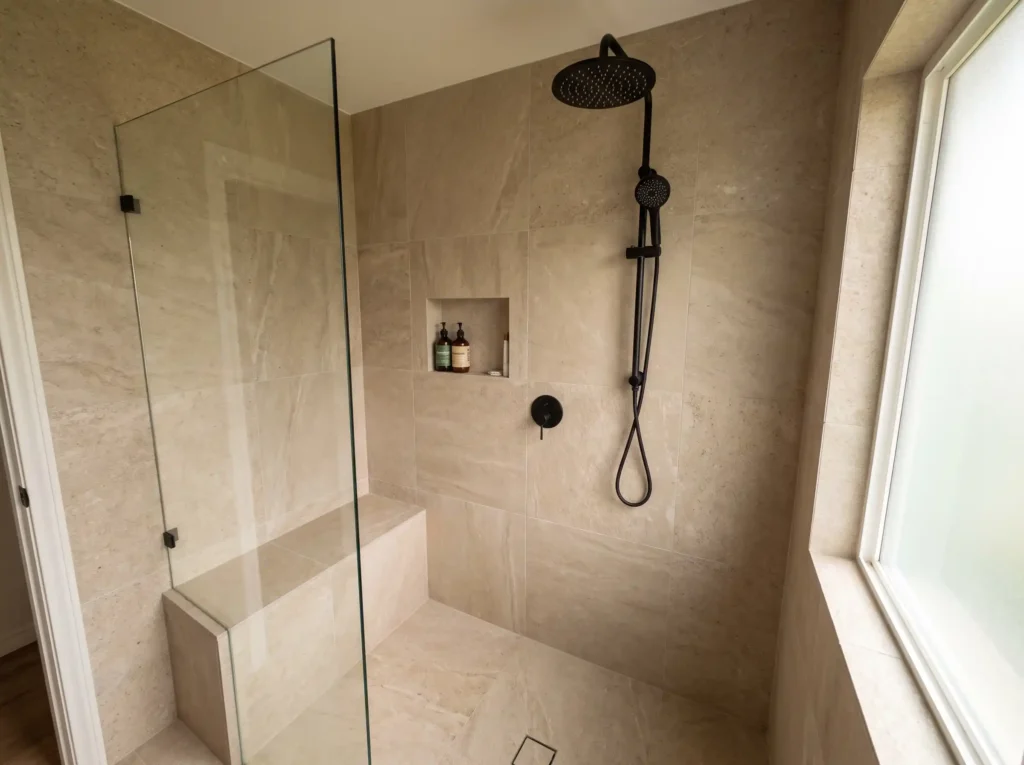
If there’s one single change dominating bathroom remodel searches right now, it’s the shift away from tubs. Tub-to-shower conversions and walk-in, curbless shower designs are the most requested single upgrade across nearly every age group, not just older homeowners planning ahead. A walk-in shower reads as more modern, it’s easier to clean, and it makes a small bathroom feel noticeably more open once the visual barrier of a tub wall is gone.
There’s also a genuinely underrepresented angle here worth knowing about: aging-in-place upgrades that don’t look institutional. A curbless shower entry, a built-in bench, and strategically placed blocking behind the wall for a future grab bar all cost very little to add during a remodel that’s already opening the walls, and none of them have to look like a hospital bathroom. Retrofitting the same features later, after the walls are already closed, costs significantly more.
Is a Bathroom Remodel Worth It? ROI and Resale Value
Mid-range bathroom remodels recover roughly 60% to 70% of their cost at resale, according to Remodeling Magazine’s annual Cost vs. Value report, while upscale primary suite additions tend to recover a lower share, closer to 30% to 50%. That gap isn’t a reason to avoid a nicer finish level. It just means resale value shouldn’t be the only reason you’re doing the project.
The more useful question is how long you plan to stay. With mortgage rates keeping a lot of homeowners in their current house rather than moving, a bathroom you’ll use every day for the next ten years earns its cost back in daily comfort long before resale ever enters the picture. If you’re planning to sell within a year or two, a straightforward mid-range refresh usually makes more financial sense than a luxury overhaul the next buyer may not personally value.
The Budget Line Almost Nobody Plans For
This Old House’s 2026 homeowner survey found that roughly one in three renovators ended up spending more than they’d planned, most often because of plumbing surprises, water damage, or structural issues discovered once the walls opened up. That’s the line item most first-time renovators forget to budget for at all: a genuine contingency fund, not just for “extras,” but for the unglamorous stuff hiding behind fifty-year-old plaster.
A contingency of 10% to 20% of your total budget, set aside before you sign anything, is the difference between a mid-project surprise being an annoyance and it being a full-blown financial problem. It also gives you leverage to say no to a change order that feels padded, because you’re not scrambling to find the money on the spot.
Modern Small Bathroom Remodel Ideas That Don’t Sacrifice Storage
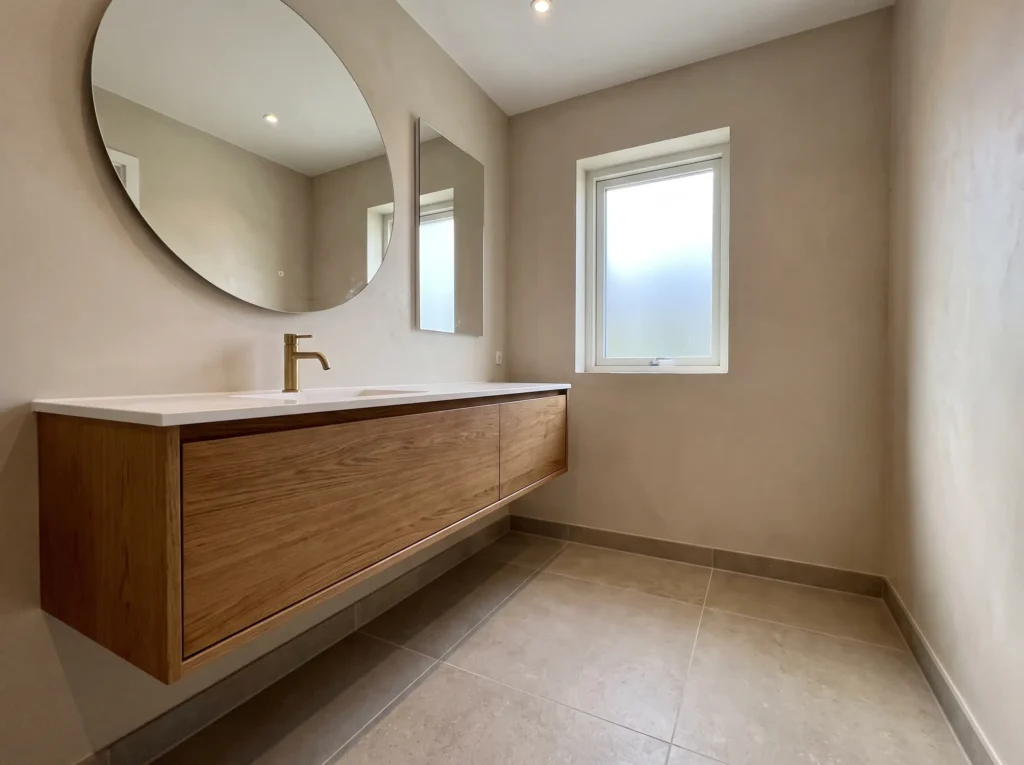
Storage is usually the first thing people worry about losing in a smaller footprint, but a few design choices solve most of it. A recessed medicine cabinet built into the wall between studs adds real storage without eating floor space. A floating vanity with a single deep drawer often holds more than a boxy two-door cabinet, because it’s designed around what actually needs to live in a bathroom rather than around a generic cabinet shape.
For finishes, warm neutrals and soft greens are outperforming stark white in most 2026 design coverage, paired with matte black or unlacquered brass hardware for contrast. A single accent wall in a bold tile pattern, kept to the shower surround or one feature wall, gives a small room personality without visually shrinking it the way an all-over pattern would.
Frequently Asked Questions
How much does a one-day bathroom remodel actually cost?
One-day bath conversion systems, typically a tub-to-shower or acrylic liner installation, usually run $2,500 to $7,000 depending on your region and the company doing the work. They’re faster but generally more limited in design options than a full custom remodel.
Do I need a permit for a bathroom remodel?
In most areas, yes, if you’re touching plumbing, electrical, or structural walls. A purely cosmetic swap, same-size vanity, new paint, new fixtures in the same location, usually doesn’t require one, which is part of why cosmetic refreshes move faster.
Can I remodel a bathroom myself to save money?
Cosmetic work like painting, swapping a faucet, or installing a new vanity is genuinely doable for a handy homeowner. Plumbing relocation, electrical work, and shower waterproofing carry real risk of expensive, hidden failures if they’re done wrong, and are usually worth hiring out.
Elongated toilet or round toilet, which one should I choose?
Elongated bowls are more comfortable for most adults and are now standard in new installations, but they need a few extra inches of clearance. A round bowl is the better pick in a genuinely tight powder room where every inch counts.
How much value does a bathroom remodel add to my home?
Mid-range remodels typically recover 60% to 70% of their cost at resale. The bigger return, though, is usually how much you’ll actually enjoy the space if you’re staying put for several more years.
What’s the biggest mistake people make during a bathroom remodel?
Skipping the contingency fund. Roughly a third of renovators end up spending more than planned, almost always because of something discovered once the walls are open, not because of a design decision.
Is a bathroom remodel worth it if I’m planning to sell soon?
A clean, mid-range refresh (new paint, updated fixtures, a modern vanity) tends to appeal to the widest pool of buyers and recovers its cost more reliably than a highly personalized luxury renovation would if you’re selling within a year or two.
The Bottom Line
A bathroom remodel doesn’t have to be a mystery box where you sign a contract and hope for the best. Know your realistic cost range for the scope you actually want, build in a genuine contingency before you need it, and treat a suspiciously low bid with the same scrutiny you’d give a suspiciously high one. The kitchen and bath segment is finally coming out of a three-year slump heading into the rest of 2026, according to Harvard’s Joint Center for Housing Studies, which means more contractors will be busier and booking further out than they were a year ago. If a remodel is on your radar for this year, the smartest first step isn’t picking tile. It’s getting your budget and your contingency locked in before you fall in love with a design that’s $15,000 outside of it.
What’s the one thing about your current bathroom that would make you finally pull the trigger on a remodel? Drop it in the comments, I read every one.